Winter storm Orko

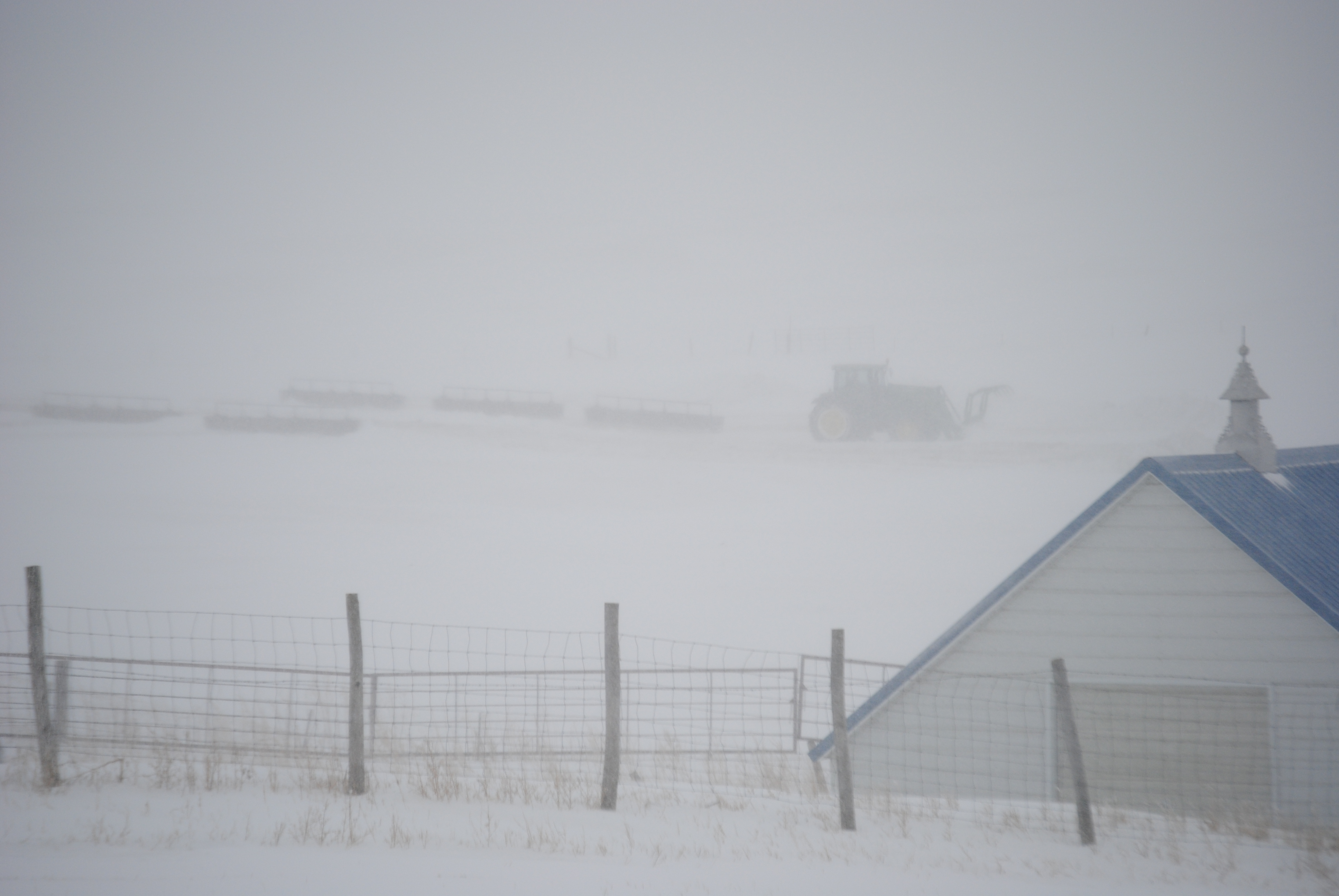
Mother Nature has once again given us a strong reminder about who is in control…not that I ever questioned it for a minute. Winter storm Orko arrived in full force today, bringing with it about 10 inches of snow and 40 mph winds – white-out conditions.

Unfortunately, our heifers are due to have their first calves any day now, so that means that we don’t get a chance to hunker in for the storm, we must keep an eye on our livestock.

The cows stay where it's protected during the storm. Their instincts help keep them safe...usually.

The cows stay where it’s protected during the storm. Their instincts help keep them safe…usually.

Today Boss Man spent a lot of time pushing snow. Although heavy snow fall is a pain, it can be useful as well. With our loader tractor, he can push the snow up into big piles, creating natural windbreaks for our cattle. As long as it’s here, we might as well put it to use!
Boss Man making a windbreak with the snow.

Boss Man making a windbreak with the snow.

I was hoping to earn some Val’s Day (my nickname for Valentine’s Day…catchy, isn’t it?) bonus points by letting Boss Man catch a few extra zzzz’s while I took the first night check for our heifers. (We check them every two hours, to do our best to make sure that the calves are born in the barn – or at least brought to the barn as soon as possible, to keep them from getting chilled.)

My mistake? Thinking I was going to make a quick trip down to the calving lot and not suiting up properly. Instead of coveralls and the whole get-up (fashion plays little in calving), I just slipped on my Bogs, my jacket, hat, scarf and gloves. It wasn’t too bad, until I started fighting thigh-high drifts.

Even then, it wasn’t terrible…except when I started losing my balance in the wind and snow. Then I was working so hard trudging through the snow that I was melting the snow stuck to my yoga pants, soaking me clear through. I was chilled to the bone! A colossally stupid move on my part. Really.

I’m guessing I’ll sleep like a baby tonight, but may have a sore muscle or two tomorrow. Anyone looking for a great cardio routine? I think I found one!
Flat Aggie visits our farm

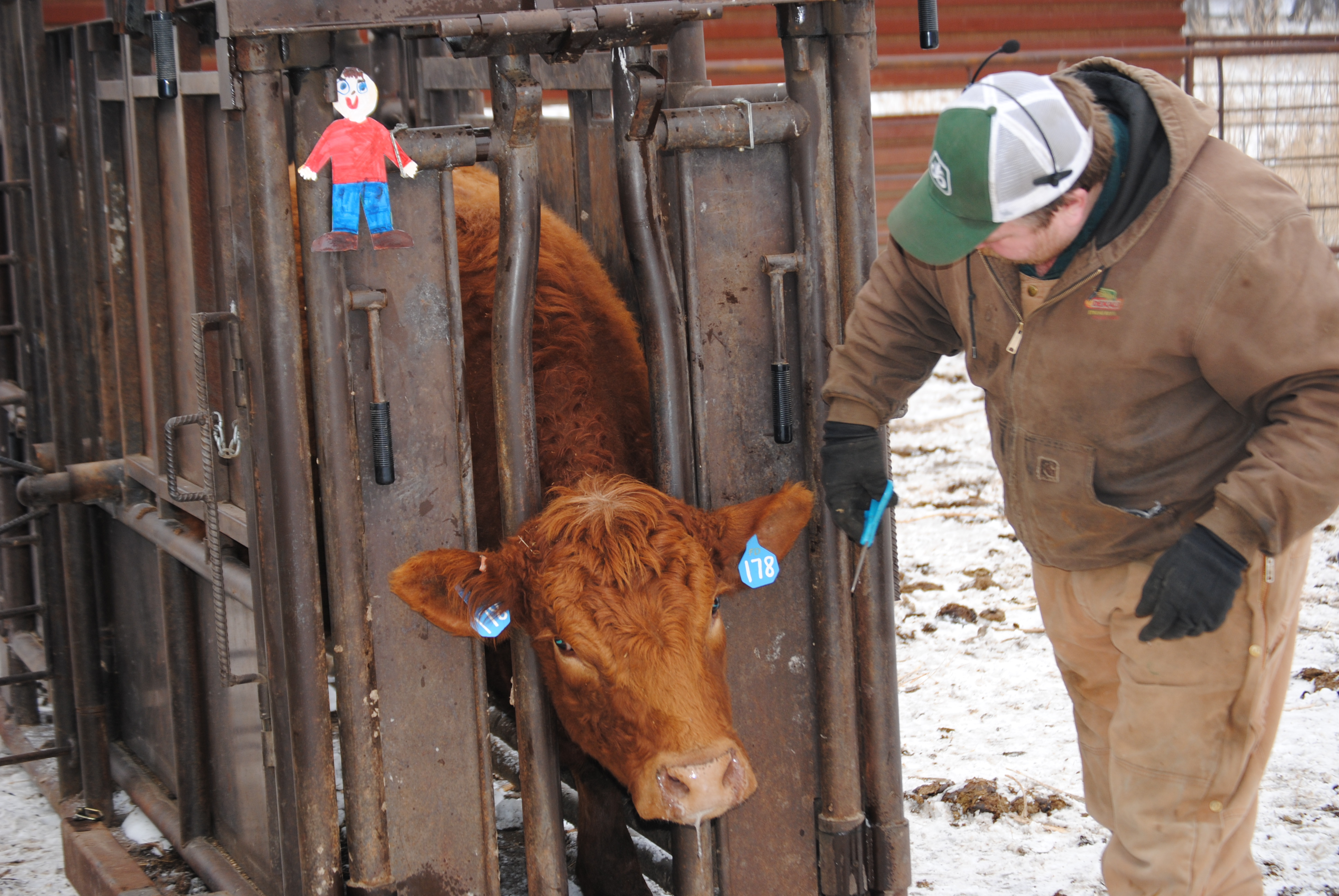
We had a visitor at our farm this week. He didn’t eat much, didn’t take up much room, but wanted to learn about what we do. His name is Flat Aggie, and he’s a project that was started by a teacher in California.

Many people are aware of Flat Stanley, the popular children’s book that follows the adventures of a paper man. This project is very similar, except the teacher sends Flat Aggie to farms across the country, hoping to learn through Flat Aggie’s travels all about what happens on the farm.

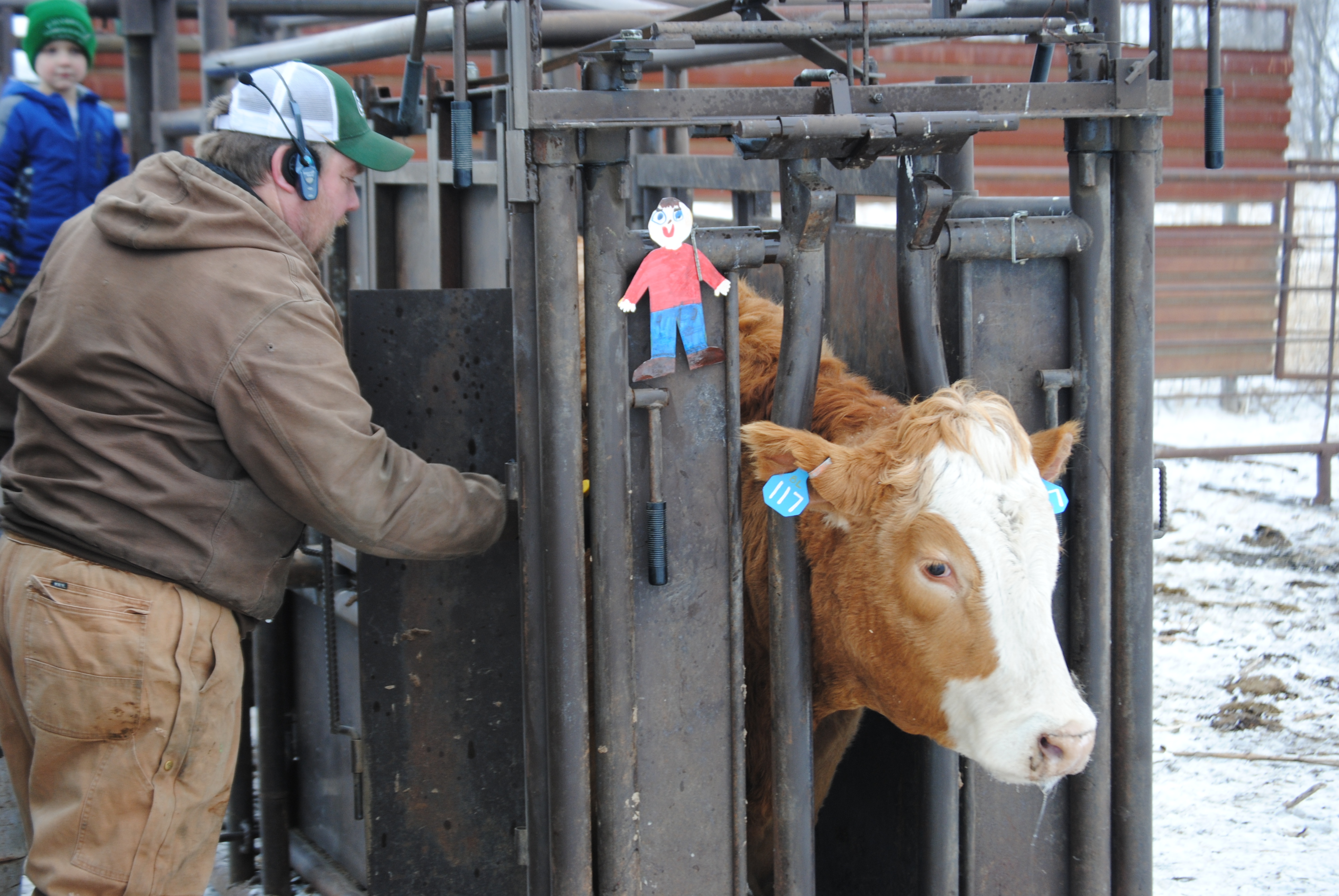
So what did Flat Aggie learn about on our farm? He helped with tagging our heifers with their cow tags. (To learn more about what the cow tags mean, such as their color, read more here.) For our heifers, that’s kind of like being adopted. When we switch out their calf tag with a cow tag, we’re including them in our herd.

A simple hair cut around the ears helps us see the cow tag better. Notice how the number on the left is much easier to see than the number on the right? Thanks, Flat Aggie, for the help!

A simple hair cut around the ears helps us see the cow tag better. Notice how the number on the left is much easier to see than the number on the right? Thanks, Flat Aggie, for the help!

While we were tagging the heifers, Flat Aggie also helped us trim the hair growing in the cattle’s ears. This makes it easier to see the tag numbers when we are working with the cattle. It’s important that we’re able to know which cow we’re dealing with from a distance, so that we can keep track of health, calving progress, etc.

This heifer (meaning she's going to have her first calf soon) is trading her yellow calf tag in for a blue cow tag!

This heifer (meaning she’s going to have her first calf soon) is trading her yellow calf tag in for a blue cow tag!

The last thing Flat Aggie helped us with was giving pre-calving vaccinations. For our cattle, this is very important for the health of the unborn calf. Think of it as a pregnant woman getting a flu shot. The risk of being ill while pregnant, or immediately after the baby is born is greater than the minimal risk of the vaccination. In cattle, even more so.

Before she goes back to eating her breakfast, this heifer gets a shot that will help protect her unborn calf from illness.

Before she goes back to eating her breakfast, this heifer gets a shot that will help protect her unborn calf from illness.

The best part of having Flat Aggie visit our farm? Being able to see things from another perspective. Having to figure out how to explain what we do so that a student could understand was a real eye-opening experience. And it’s great to connect to others across the country that are interested in what we do, but really have no way of finding out, other than through activities like this.

Did it take a little time? Of course. Was it worth it? Without a doubt.

Flat Aggie will be moving on to his next farm, learning his next lesson, sharing his next story. But you don’t need to have a piece of paper to encourage you to share your story. You can do it all on your own.

Trust me, people are wanting to hear what you have to say…you just have to take the step to share it.

Winter weather

We’re getting geared up for calving to start in just about two weeks, which means that we could have calves any day now.

And just to remind us who’s in charge, Mother Nature gave us a little wake-up call today. We’re hoping all the calves stay where it’s warm until this front moves through!

Winter weather is upon us!

Winter weather is upon us!

Visibility is dropping, but the temperatures are staying mild.

George was excited to see the snow at first, but has changed his mind now. He’d like to go swimming. You know, 3-year-olds…they keep you on your toes!


When the wife responds…

I have a ton of stuff to get you all caught up on, but I have to share my little story first.

Last night, as I was reading through our emails (they sometimes pile up a mile high, you know?), I caught a message from Boss Man’s friend, who just so happens to be an equipment dealer. He was getting Mark some information regarding the upgrade that they talked about for our payloader (it’s a machine that Mark uses to clean the manure out of the cattle lots, move junk, sometimes snow, etc.).

Well, an upgrade was all news to me. We have a ton of house projects that we need to work on, but I didn’t know that he was thinking about changing some of the equipment. And, truthfully, it’s not real surprising, since I’m usually the last to know! 🙂

I apparently was feeling pretty cheeky last night, because I decided to pay my dear hubby back by replying to the email. And this is what I wrote:

After consulting with my beautiful wife, I've decided that to
spend more money on farm equipment is futile. I shall spend
the rest of my days trying to please her exquisite tastes,
flying to the corners of the world, taking trips abroad, and
showing her the seven wonders of the world...of which, she is
the eighth. Sorry, but I will no longer have time for trivial
things, such as cattle, hunting or just wasting time away
visiting with others.

I followed with:

Yeah, well, I guess I’ll pass this message on to Mark. 😉


Lesson of the day: Perhaps we should discuss major purchases…you never know who will respond to the email!

Yes on North Dakota Measure 3

Did you know that America’s farmers and ranchers produce 16 percent of the total world food production on just 10 percent of the world’s land?

Agriculture and related industries provide jobs for more than 21 million Americans. That’s 15 percent of the total U.S. workforce.

In 1940, each U.S. farmer annually fed approximately 19 people in the U.S. and abroad. In 1960, each farmer feed about 46 people. In 1980, 115. In 2000, 139. Today, each U.S. farmer feeds approximately 154 people here and abroad. And they are doing it with fewer inputs, and on fewer acres.

Farming and agriculture is the backbone of our country, but more importantly, it’s the number one industry in North Dakota. Long after the oil boom has come and gone, farming will still be growing our economy and providing for our state and our country.


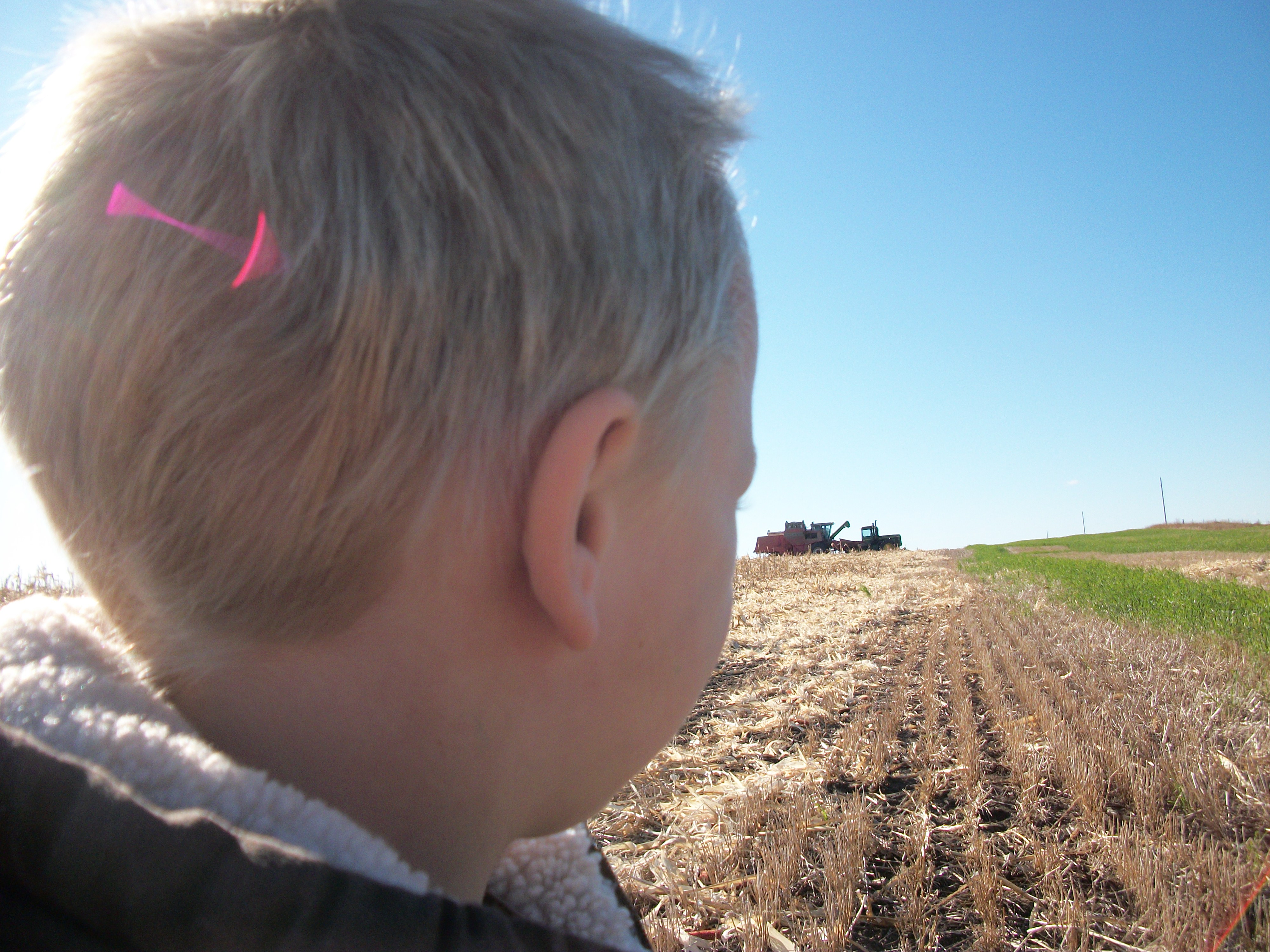
Waiting his turn…his dad is in the tractor, his grandpa is in the combine. Is his future in jeopardy?


Measure 3 is a constitutional amendment that will ensure that out-of-state interests and activist groups will not be able to pass ballot initiatives that would jeopardize our heritage of agriculture. This measure would protect the way of life that has made North Dakota a great state and a great place to raise a family.

But there are misconceptions about what this measure is about, and we’d like to clear those up. This measure is NOT about farming systems, it doesn’t pit organic versus conventional or large versus small. This measure would ensure that if you wanted to use GPS and auto steer in your tractor, that would be allowed. You would be allowed to raise livestock of your choosing without worrying that some out-of-state feel-good group is going to tell you that your buildings or fences are abusive to the animal. You would also be allowed to make your own individual seed and chemincal choices on your farm, including heirlooms, biotechnology, organic or conventional. A law could not be passed determining what is right for all farms in North Dakota, those decisions would be left to each farm to make.

The measure is NOT about removing local control. It would not limit local zoning ordinances, nor would it remove the power from local and state governments for regulations.

Measure 3 IS about allowing farmer’s markets and other niche consumer activities to continue to grow and prosper, it’s about giving people choices and protecting our past, present and future. The constitutional amendment is intentionally broad enough to stand the test of time, yet focused enough to protect what North Dakota holds dear.

For those that would question whether regulations would still be allowed, we give you an example of another constitutional right. We have the right to bear arms, but with that right also comes limitations, responsibilities and regulations. The same is true for agriculture.

We just want the right to farm, without risk of having someone else from out of state taking that right away.

WW – Applefest

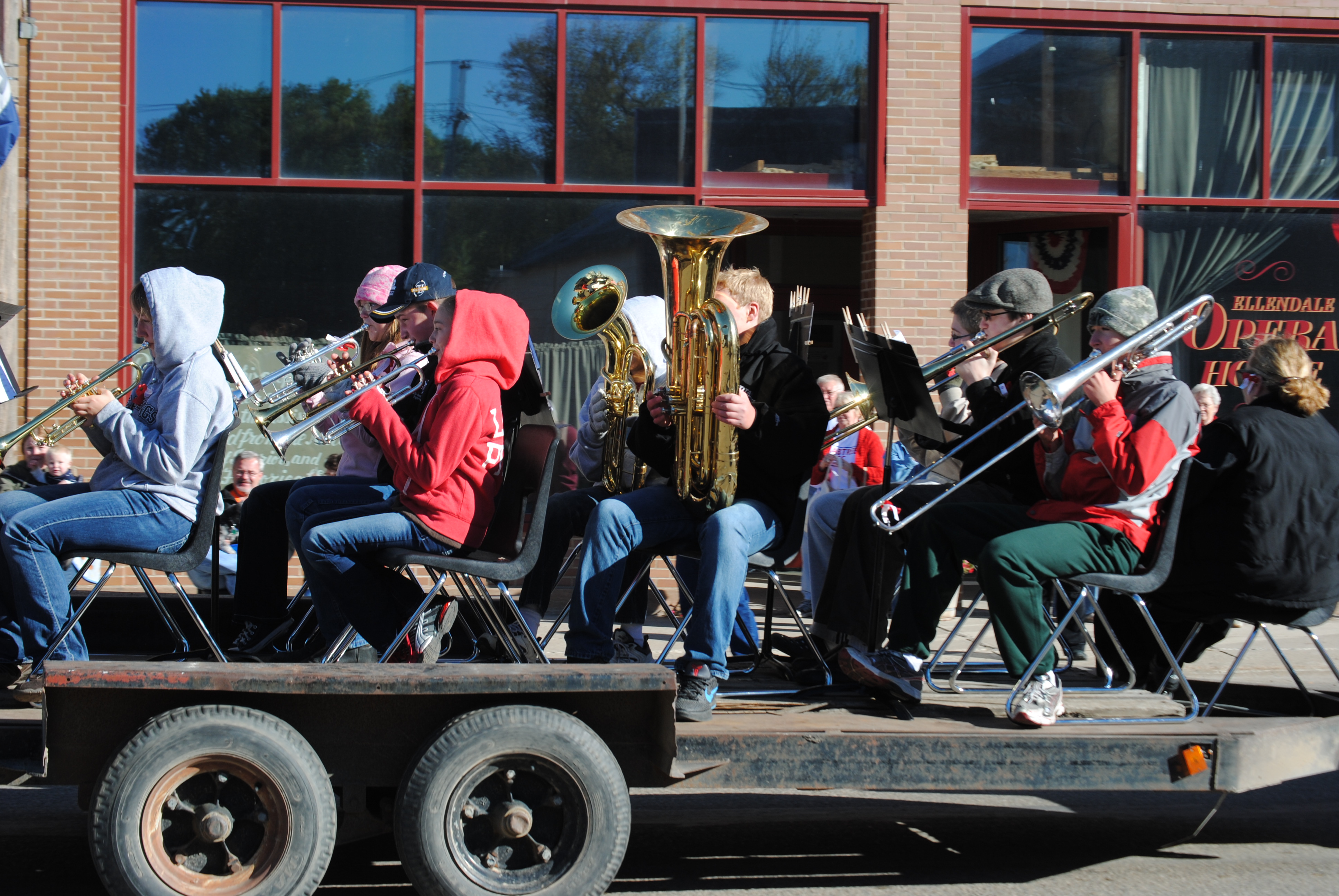
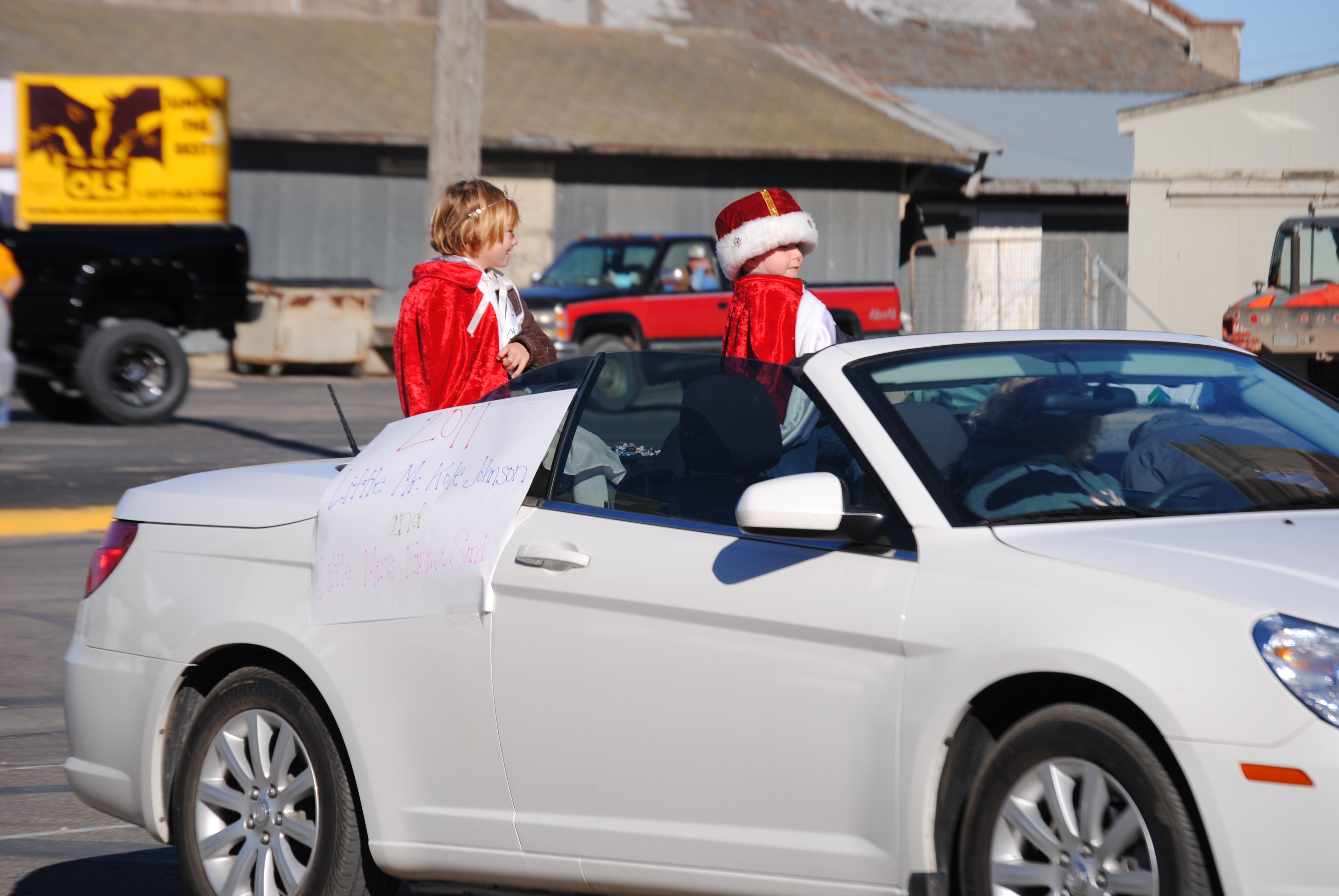
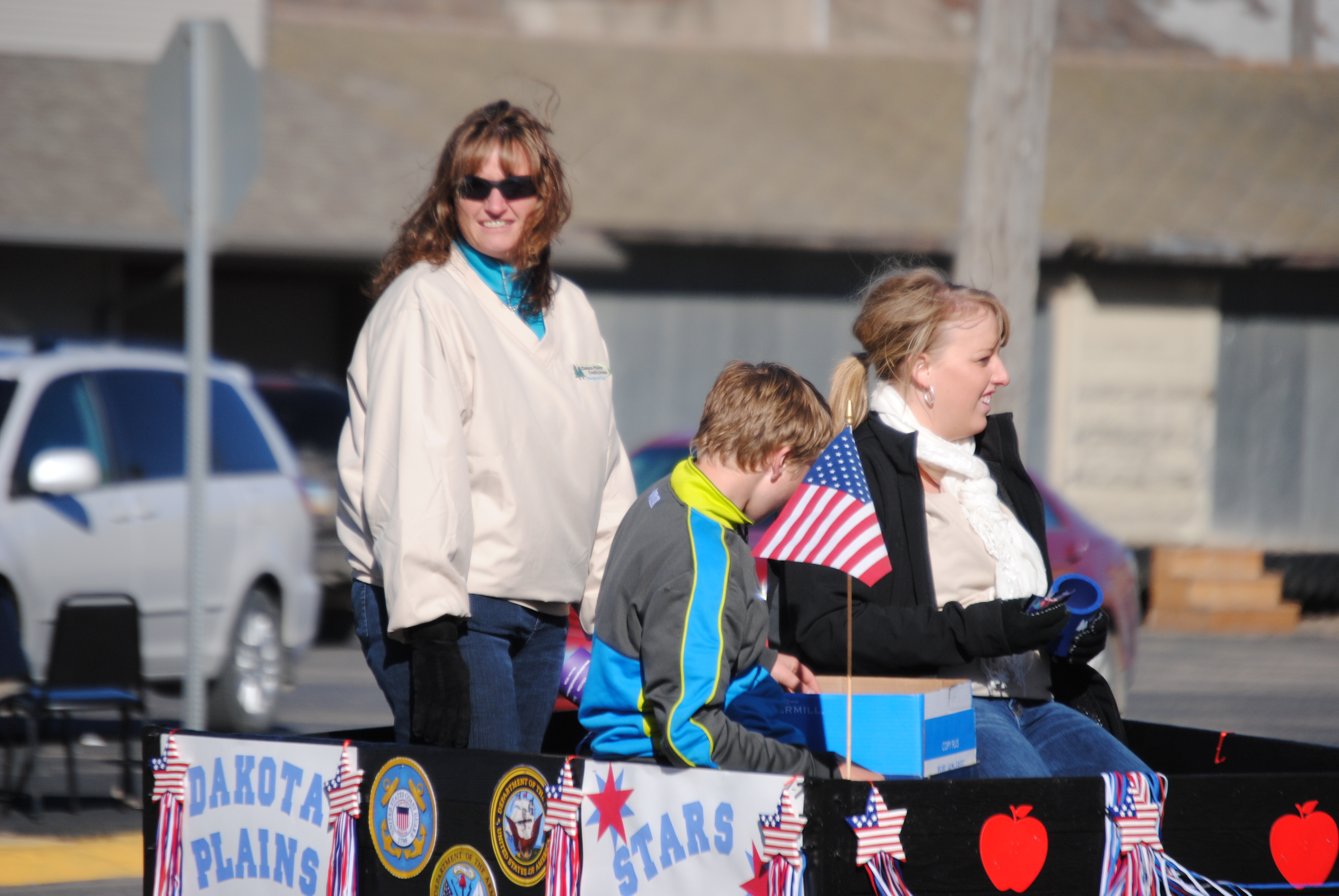
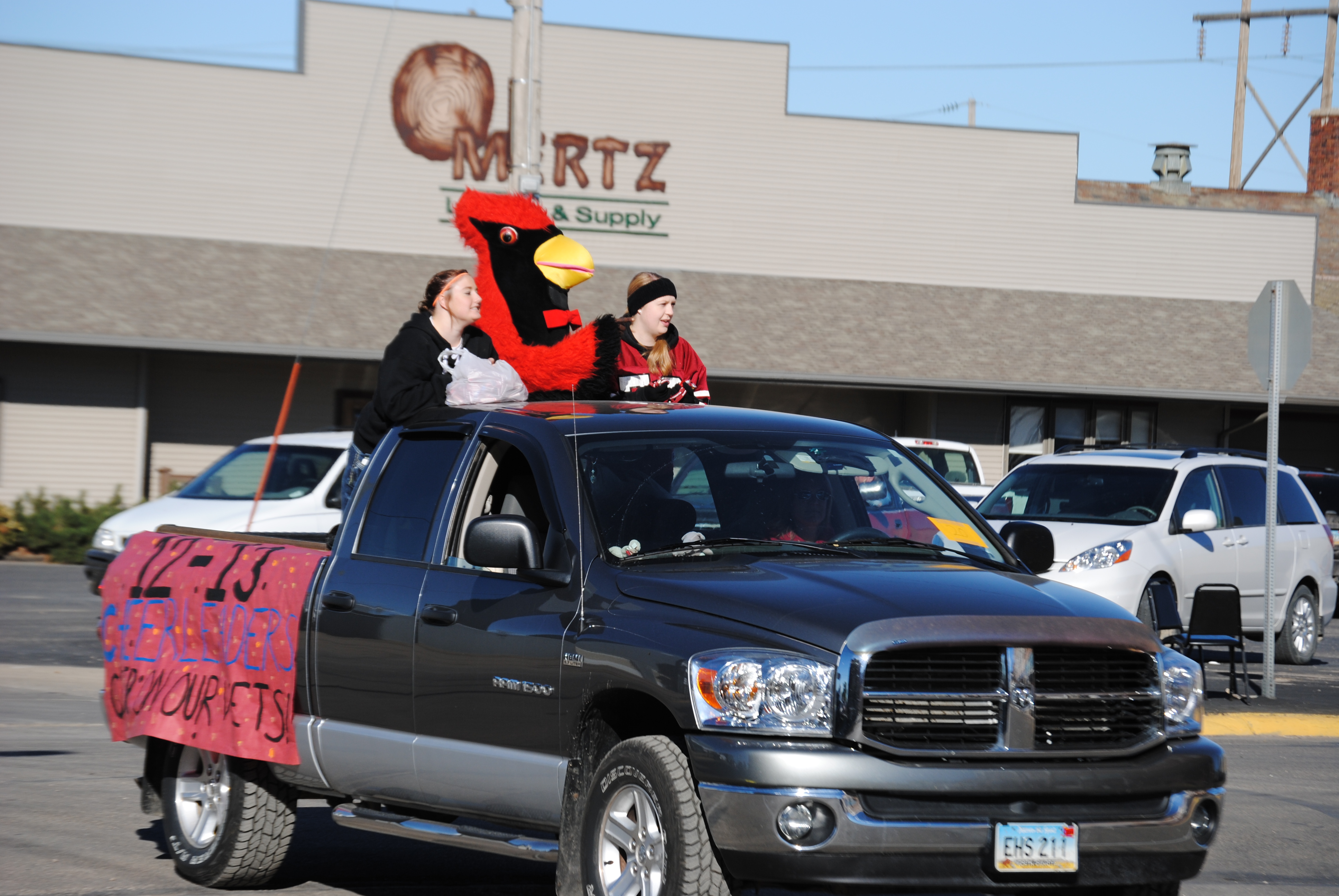
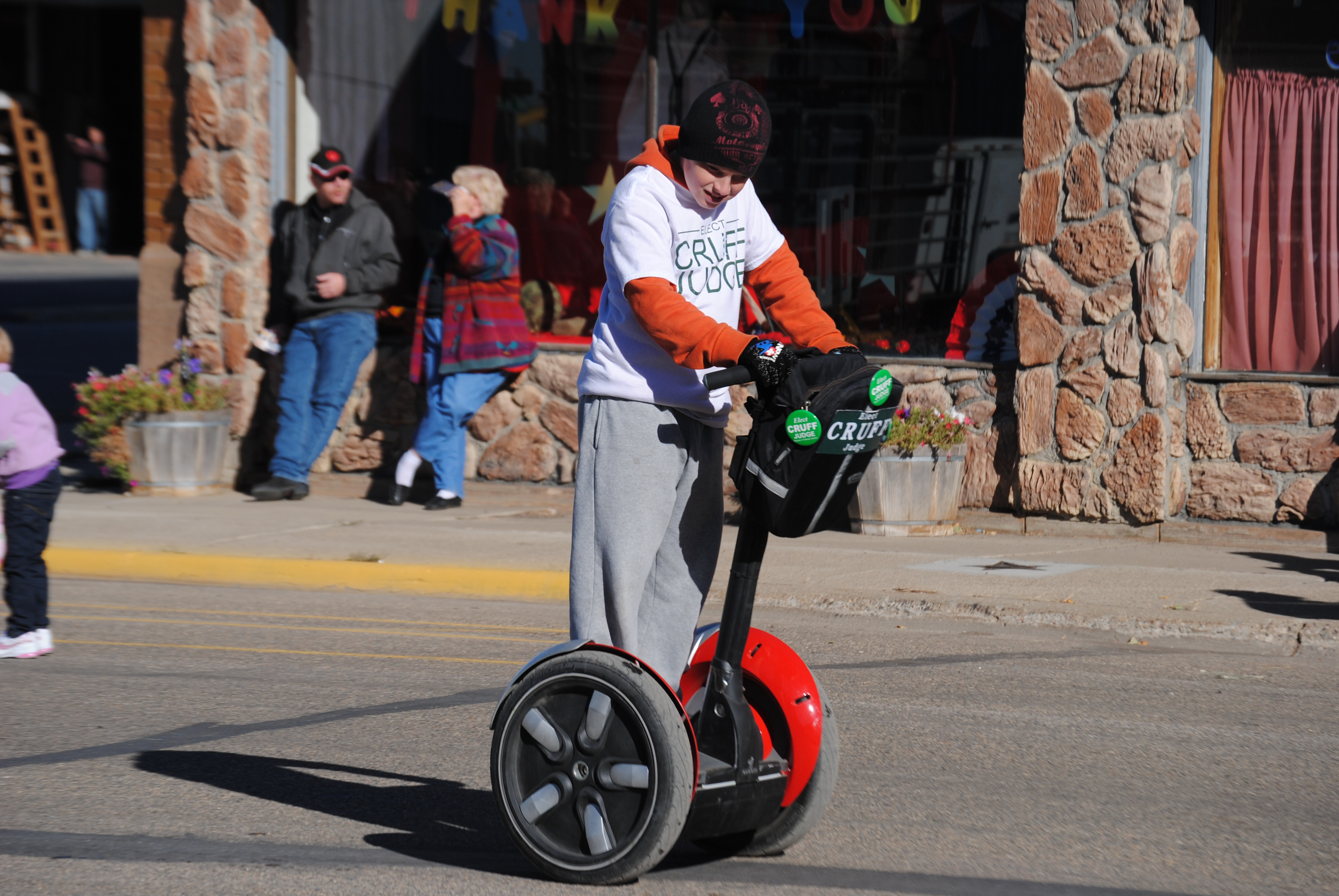
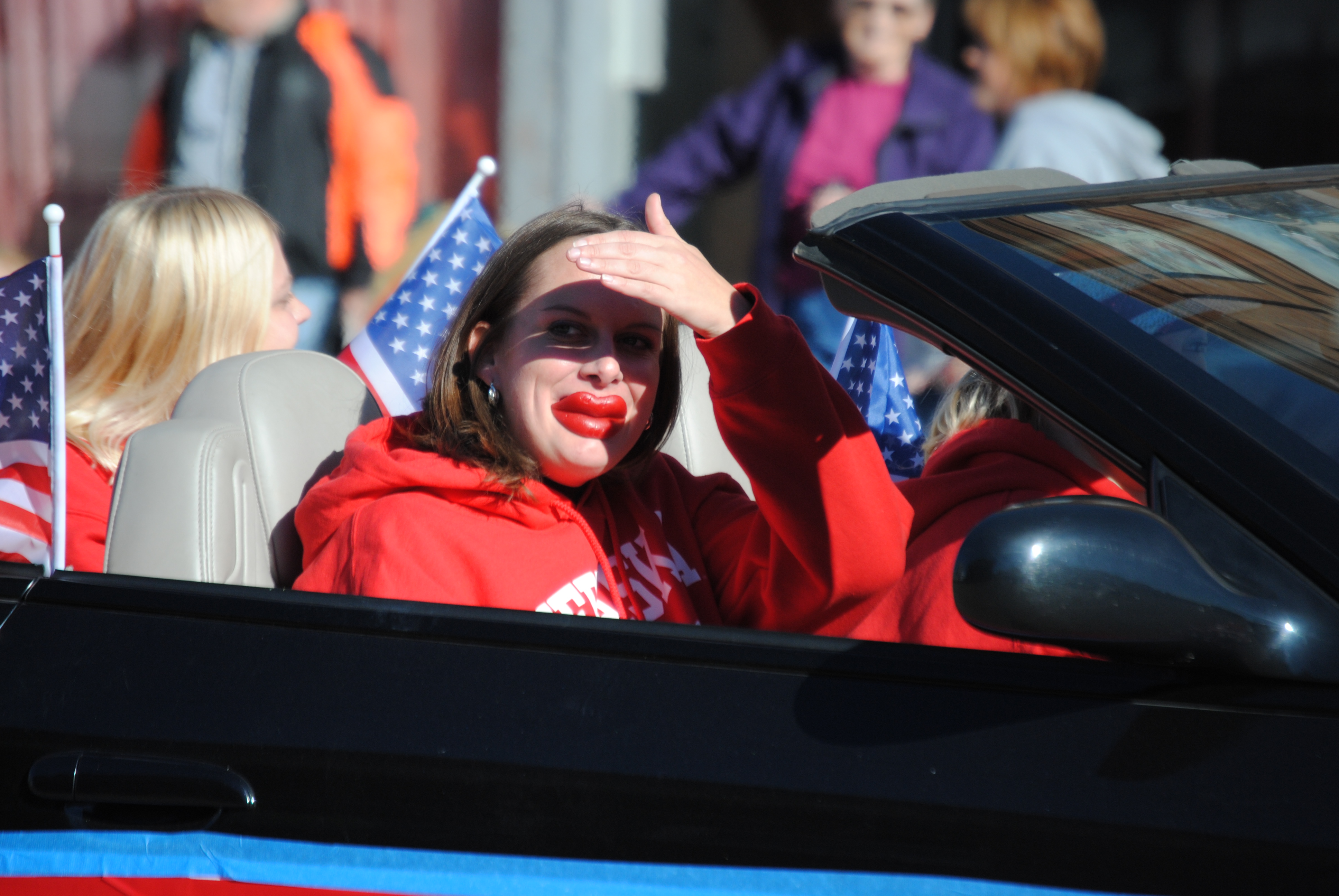
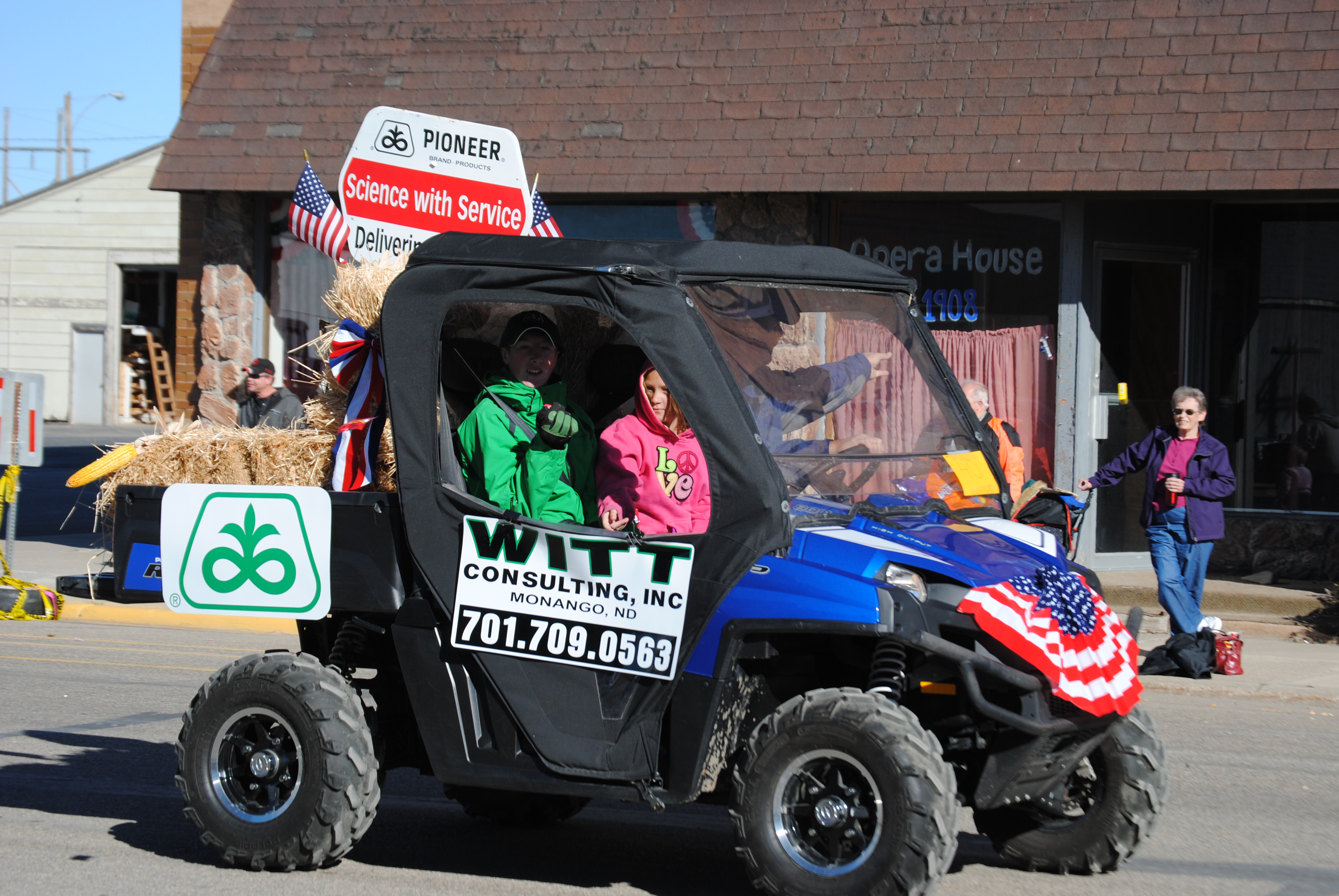
Last weekend was Applefest in our nearby town of Ellendale. The festivities for the day kicked off with a parade in the morning, followed by a Salute to Veterans and the crowning of this year’s Little Miss and Little Mr. Ellendale.

Check out the pics:

Nothing beats a great band in a parade!

Our military were honored throughout the day.

The 2011-12 Little Miss and Mr. Ellendale!

Our cute little neighbor girl, riding on the Little Miss and Mr. float!

She’ll kill me for this!

A few of the new cheerleaders, and our school mascot.

What parade is complete without a segway?

Our church’s float…love this, so much.

You never know what you might see…even on a dental float. 😉

Even our crop consultant got in on the act!

He may not be Little Mr. Ellendale this year, but he’s definitely the “apple” of MY eye this Applefest! 🙂 Love you, EJ!


Learn about corn chopping from a 3-year-old

It’s Wordless Wednesday, so I’ll let George use his words today…ENJOY!

WW – What am I doing?

“Can” you guess what I’m doing?

It’s that time of year again!

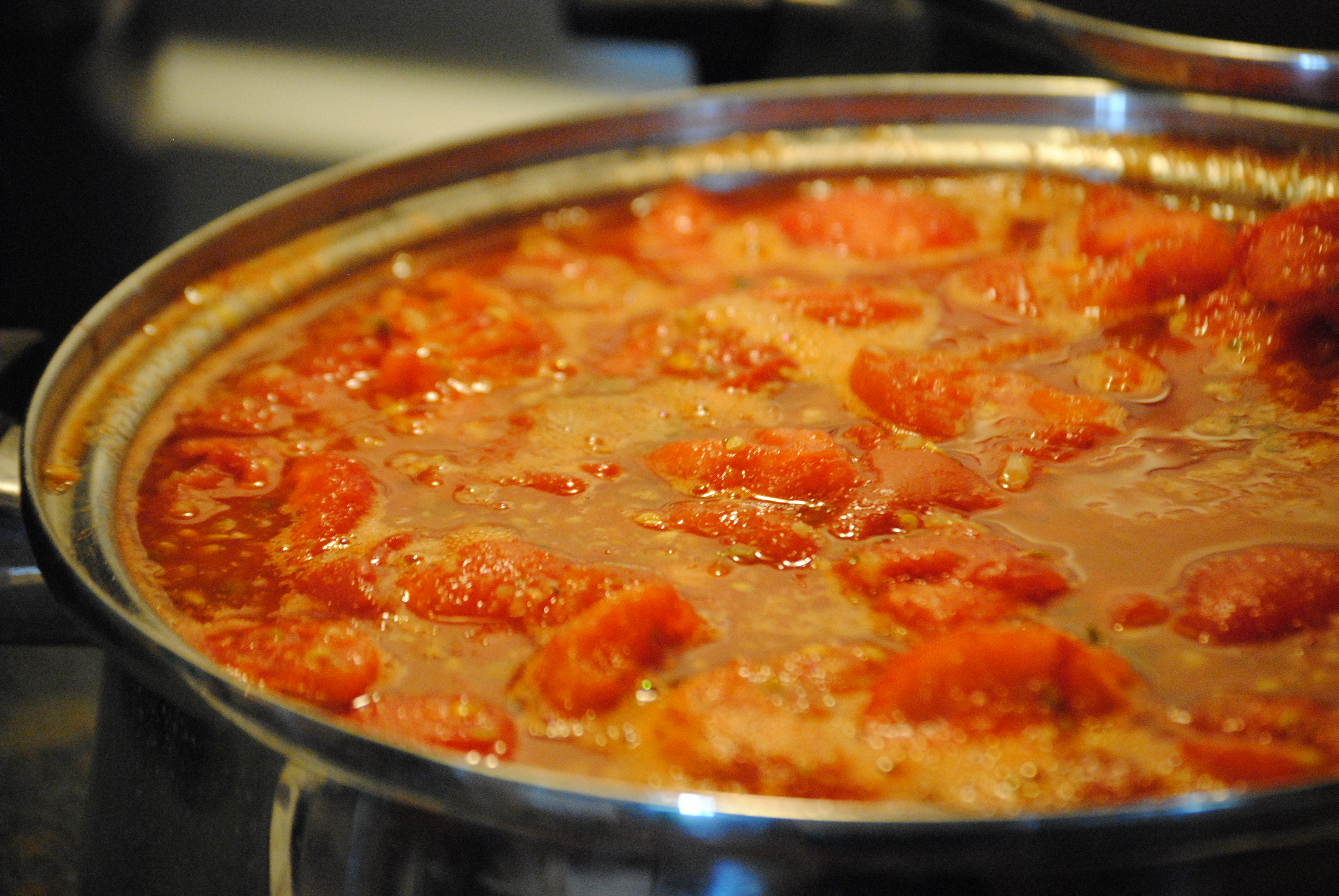
I tried to keep a lid on what I was doing…

But the truth cannot be denied!


WW – Preparing for winter

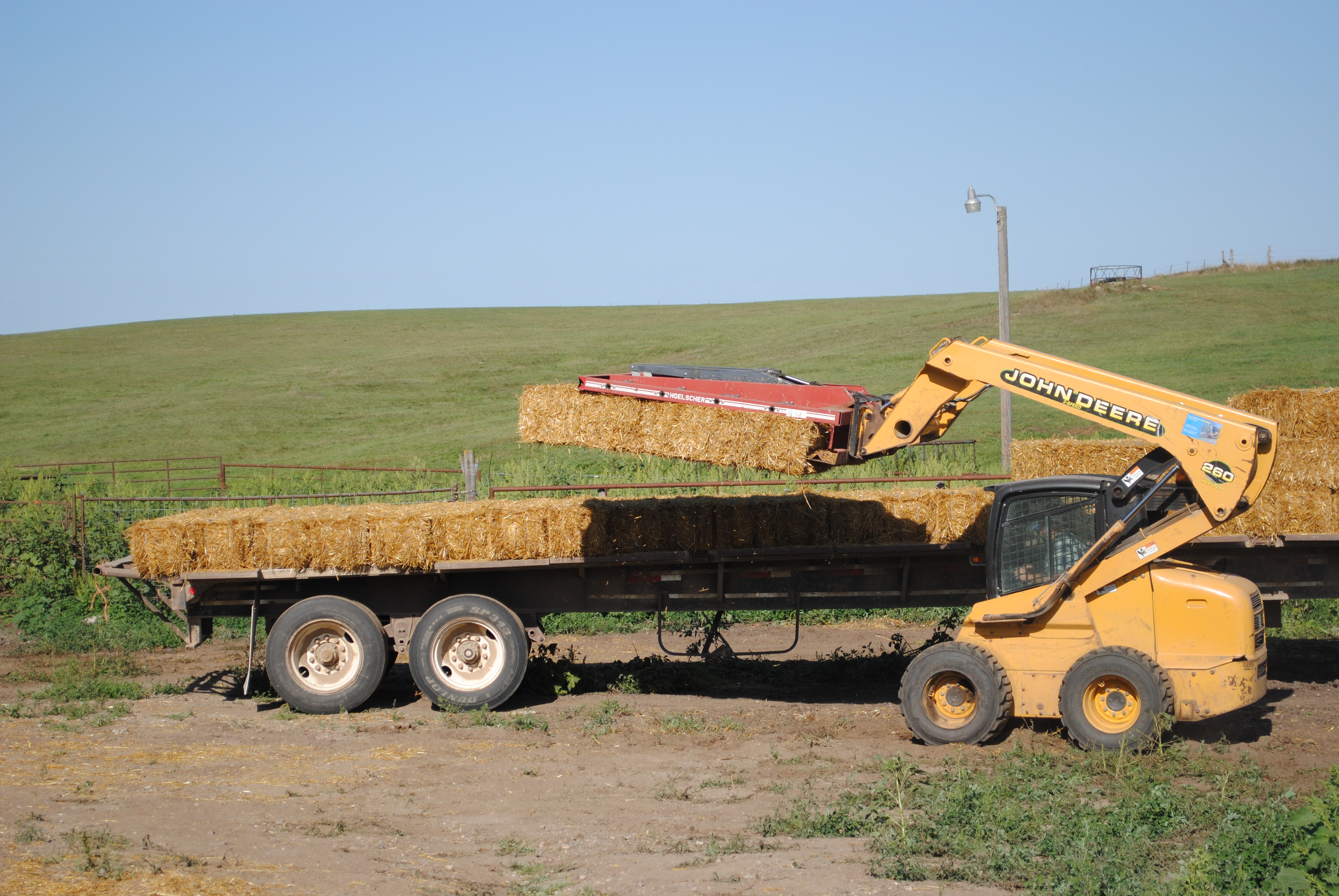
It’s hard to believe, but as summer has flown by, it’s also time for us to prepare for winter on the farm. And that includes loading our haymow (the top floor of our barn) with straw (what’s left after we harvest our wheat).

Check it out:

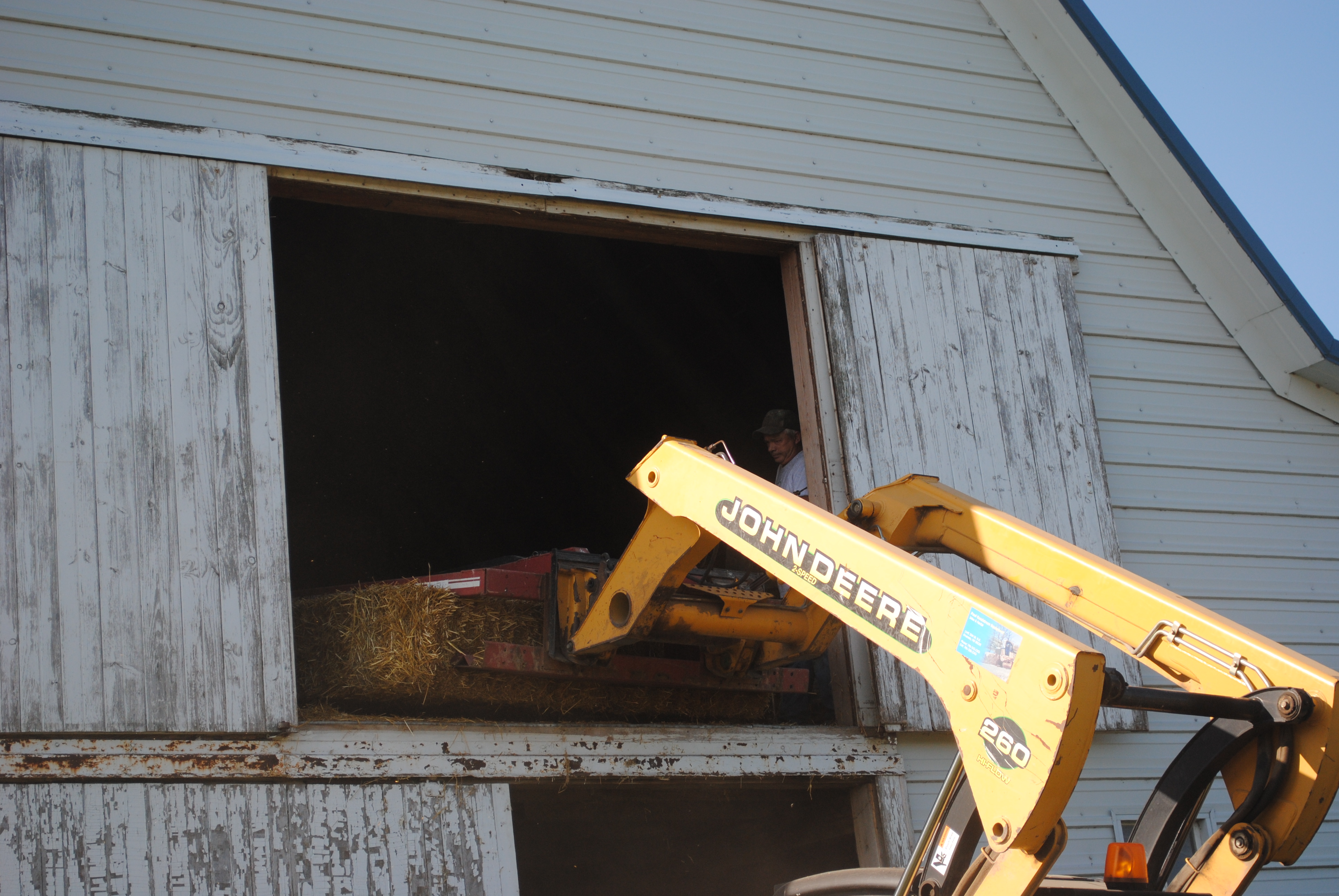
The end of the load of straw that was stacked in our barn.

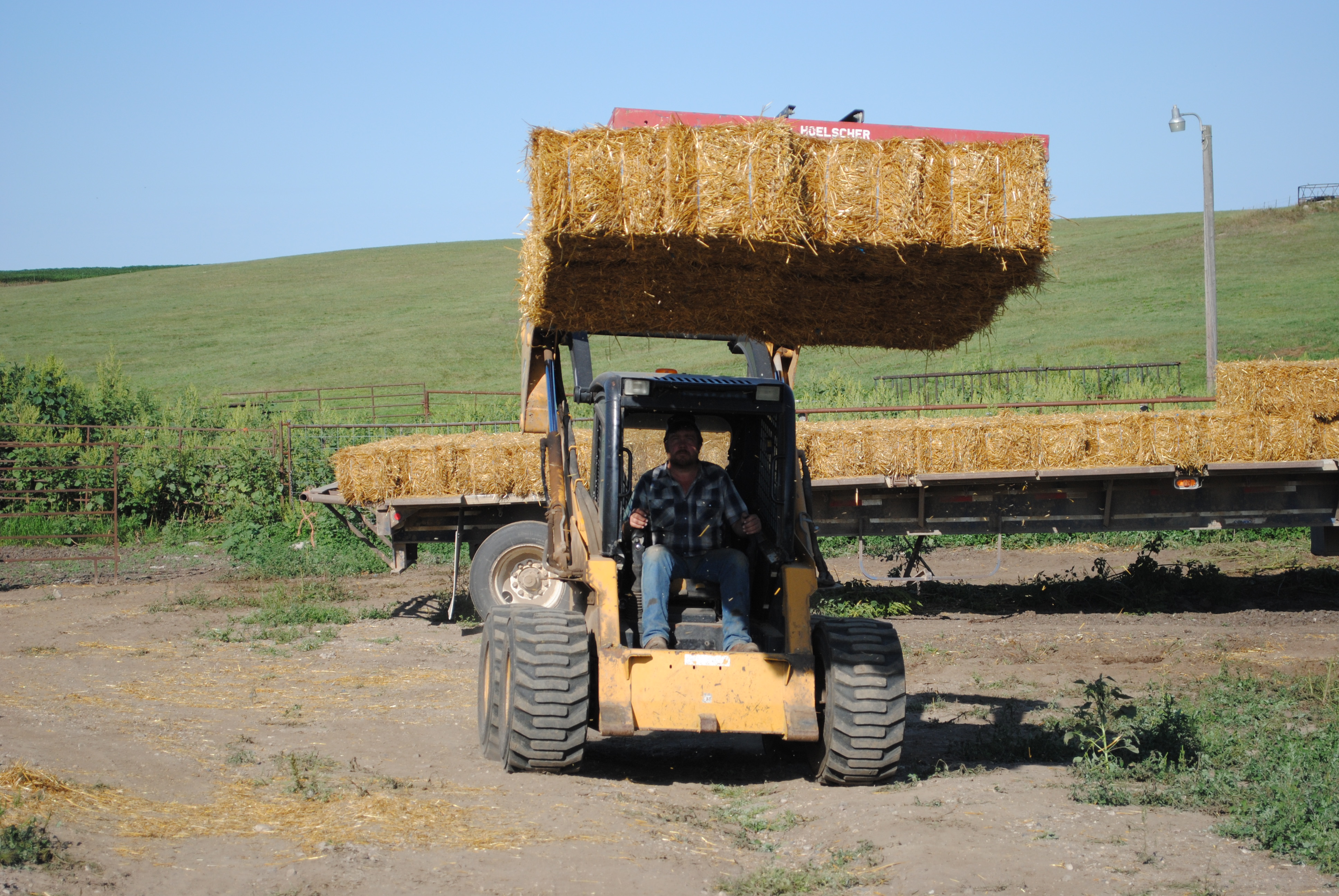
This attachment for our skidsteer can grab 20 small square bales at one time, making it possible to load and unload our bales without touching them by hand. it saves a LOT of time!

Heading to the barn.

So much easier than trying to lift or toss each one up!

We had a crew of 4 inside the barn stacking the bales…including my little sister, affectionately referred to as “Brat Child.” (And yes, she knows she has the nickname…it’s been with her since she was little…and it fits!) 😉


A Needed Rain

It’s Friday, it’s July 6 and we finally have some moisture on the ground. An inch to be exact. And we are so very, very thankful for it.

Our crops were starting to suffer, but this is a good start. It’ll buy us time and hopefully we’ll have more moisture soon.

This is the part of farming that I don’t enjoy. This is the part of farming that keeps men and women up at nights and makes them wonder if it’s worth it. Imagine building a $250,000 house and watching someone pour gasoline throughout, then play with a match around it. Yes, you have house insurance, but it doesn’t take into account the blood, sweat and tears that it took to get it to that point. Imagine.

Yet, we do it every year, time after time, knowing that Mother Nature can turn her back on you at any given moment. Why? Good question. Some say if we don’t like it, we can just get a job in town somewhere. But once you’re a farmer, it’s in your blood and it’s hard to stay away. Feeling the dirt beneath your feet, watching the sun rise and set each day, being able to breathe clean, fresh air from your office…well, that’s not easy to find.

So we head back out, watching the skies, paying attention to nature’s queues, waiting for the moisture that we need, the sun that we need, the right mixture of heat/wind/etc. If that’s not faith at it’s finest, I don’t know what is.

Today we celebrate a small victory. And I celebrate not having to water our garden…and I give thanks.

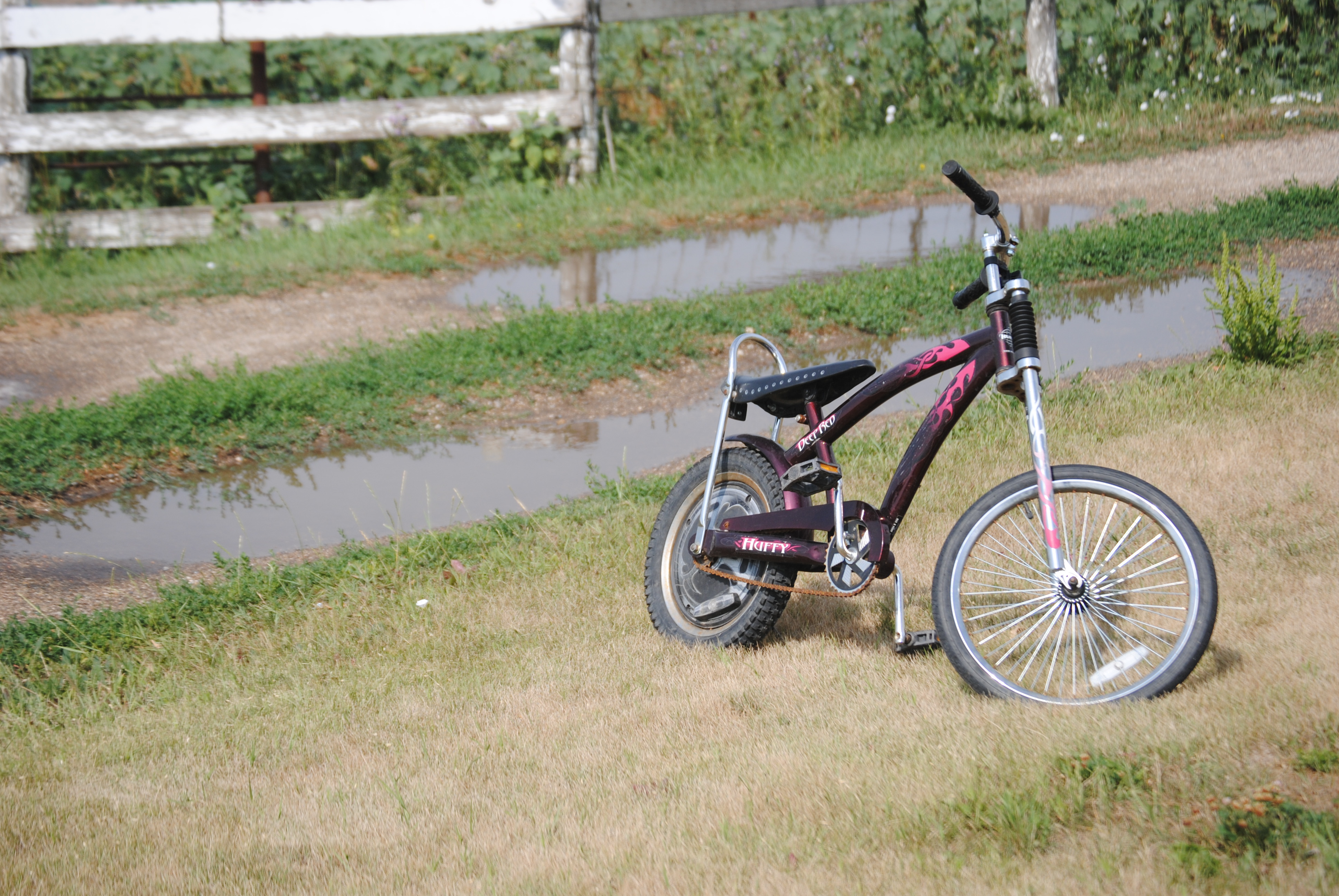
With as dry as our yard is, these puddles won’t last long!

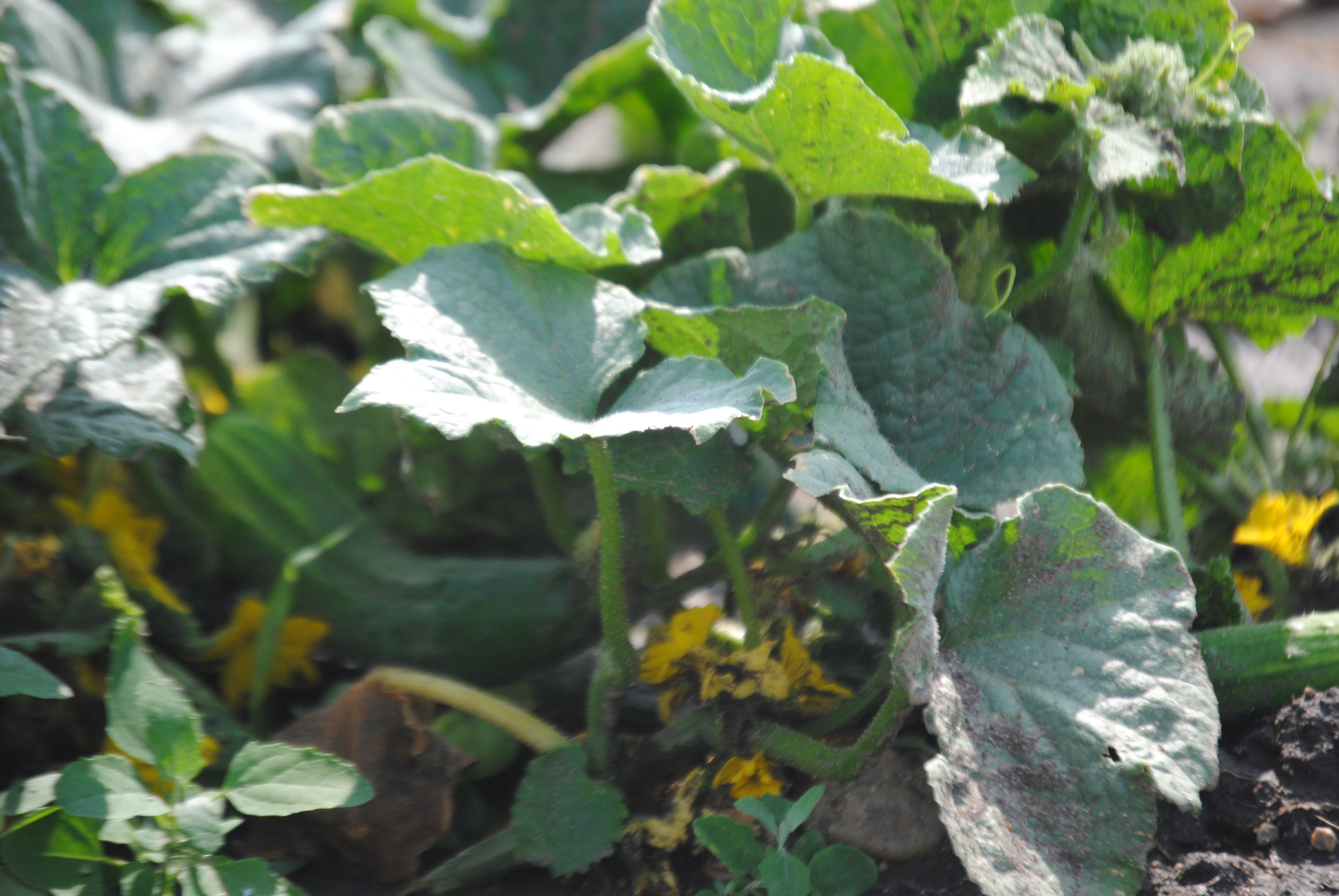
These cukes are enjoying the rain, and a reprieve from being watered!

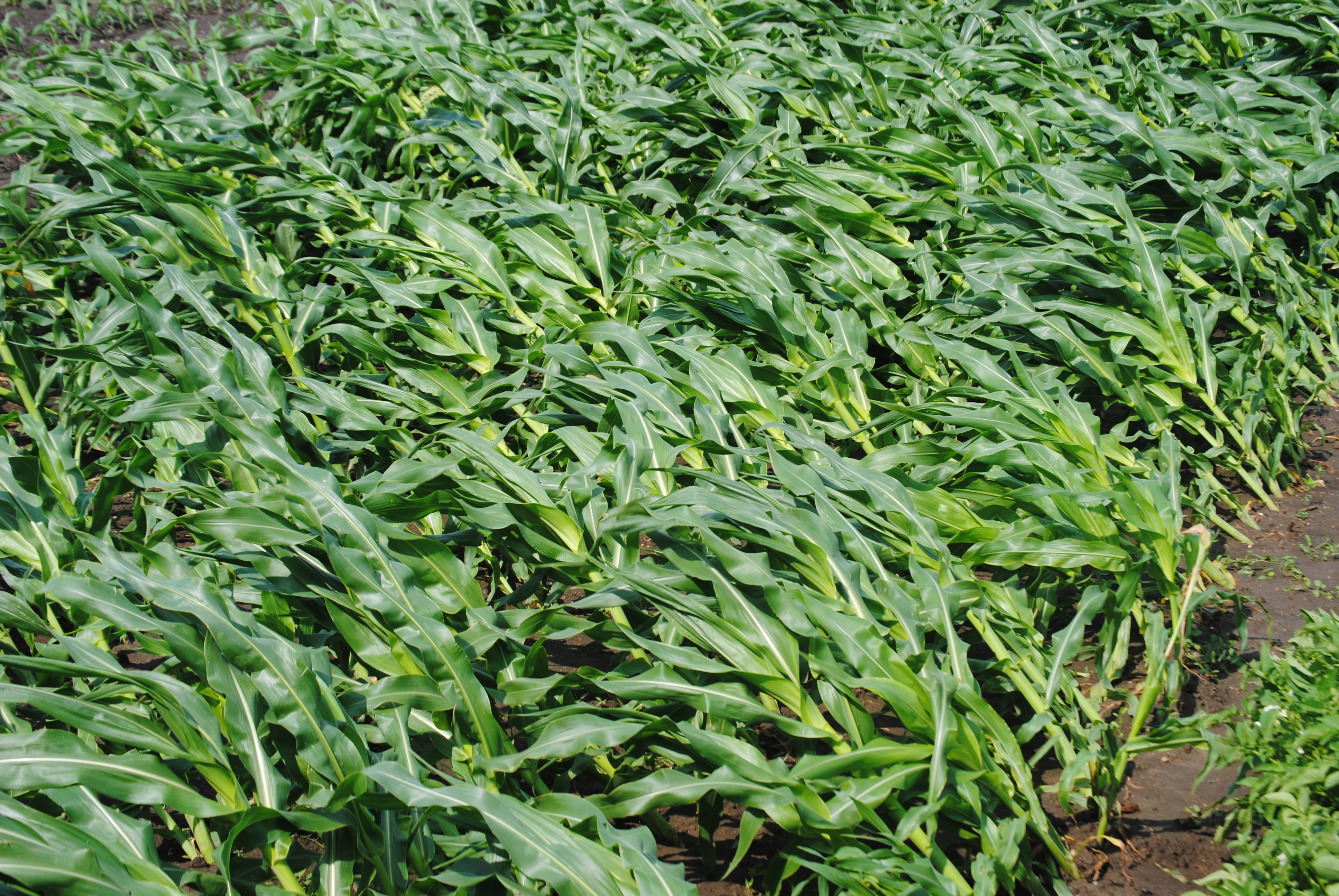
The wind combined with the rain made the sweet corn in the garden lay down, but it should stand back up with the sun now shining!