The only planting around here…

Just like most of the state, our area has been too wet to plant. And although this week has seen more and more fields getting going, our planter is still parked in the shop, getting ready to go. So this is the planting that I did this weekend:

Part of our new garden project will include Spaghetti Squash for George to eat through the winter.


Our garden is taking on a new role this year. You see, with George not being able to consume much for protein, that really, really, really limits his diet. So I decided that instead of spending a ton of money on frozen and canned fruits and veggies, that I would try to supplement his diet with our own home-grown veggies.

Spaghetti squash will replace his noodles, I’ve started some sugar snap peas, some watermelon and I will get a few packs of other veggies and fun stuff at the greenhouse this week. I can’t wait!

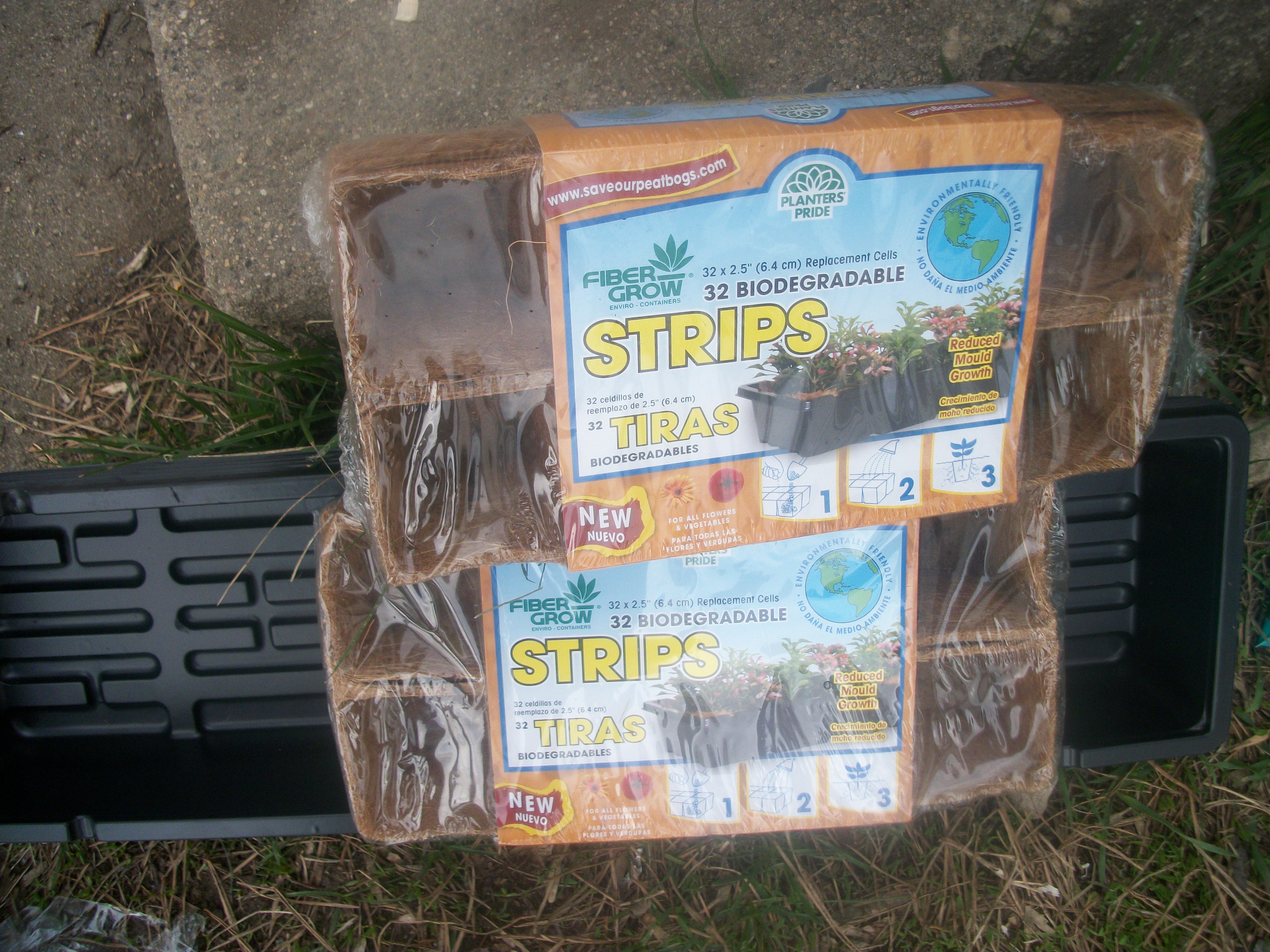
I started these seeds inside a few weeks ago, but they’re outgrowing my containers and the garden isn’t ready yet for them to go outside. So I transplanted them this weekend.

I'm new to all this, so these are my chosen tools for the year.


I, of course, needed some extra soil.


The bottom is what I started with, and the finished product transplanted at top!


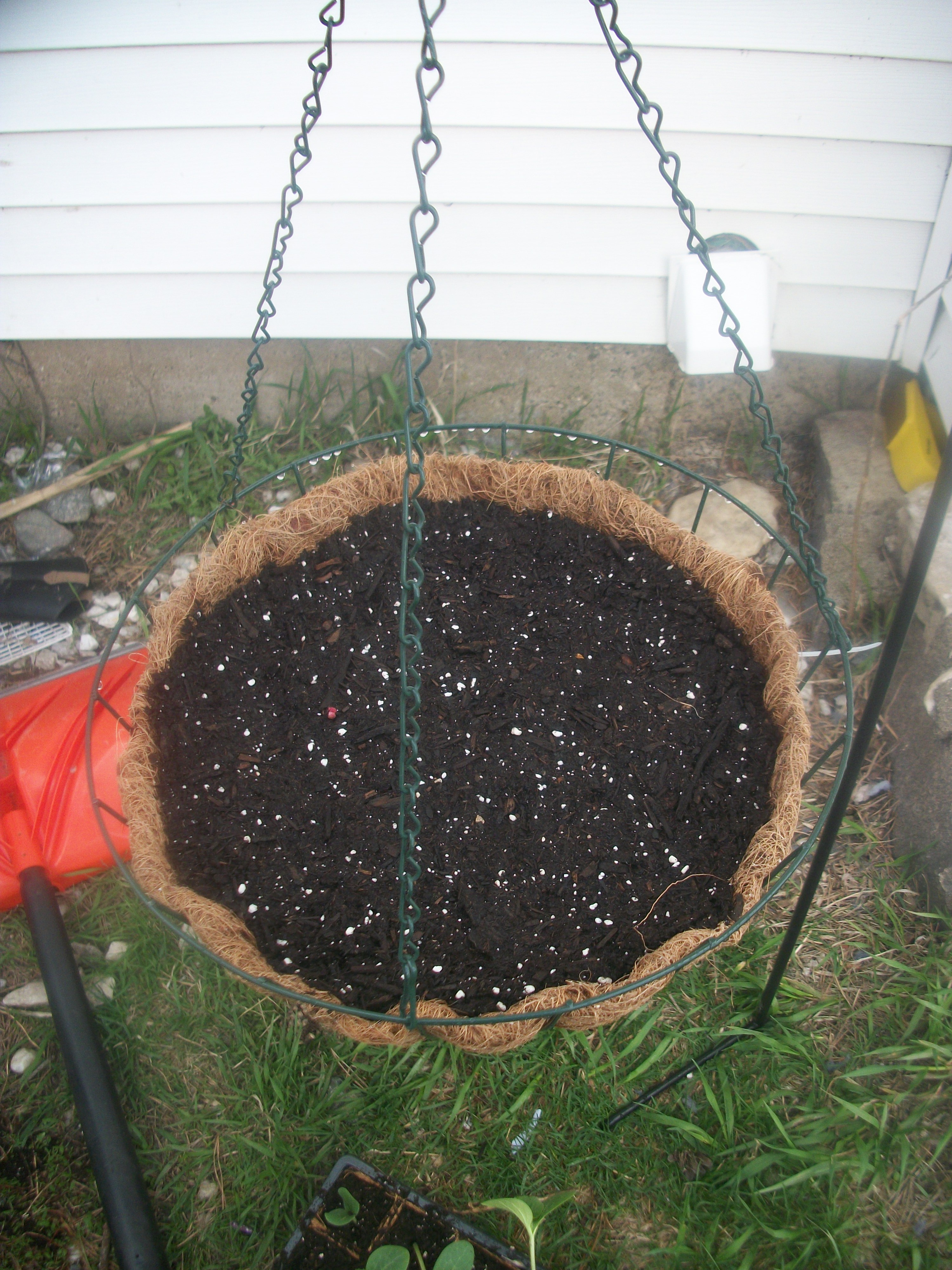
I even planted a few flowers in a hanging basket. I know, it's scary for me too!

 
OK, so in the last week or so, I’ve baked, I’ve crafted and now I’m gardening. I think Mark’s going to be glad I started this whole blogging thing!
 
Now, to only figure out how to organize…

Deer, oh dear

I’m not sure if you heard, but we had a slight deer problem this winter. Well, slight is an understatement…it was a MAJOR deer problem. If you look back through my posts, you will find pictures, videos, eloquently-written, almost poetic-like blogs, etc. (well, I’m pouring it on a bit thick about that one, sorry 😉 )

I figured I would wrap up the winter deer posts with this update:

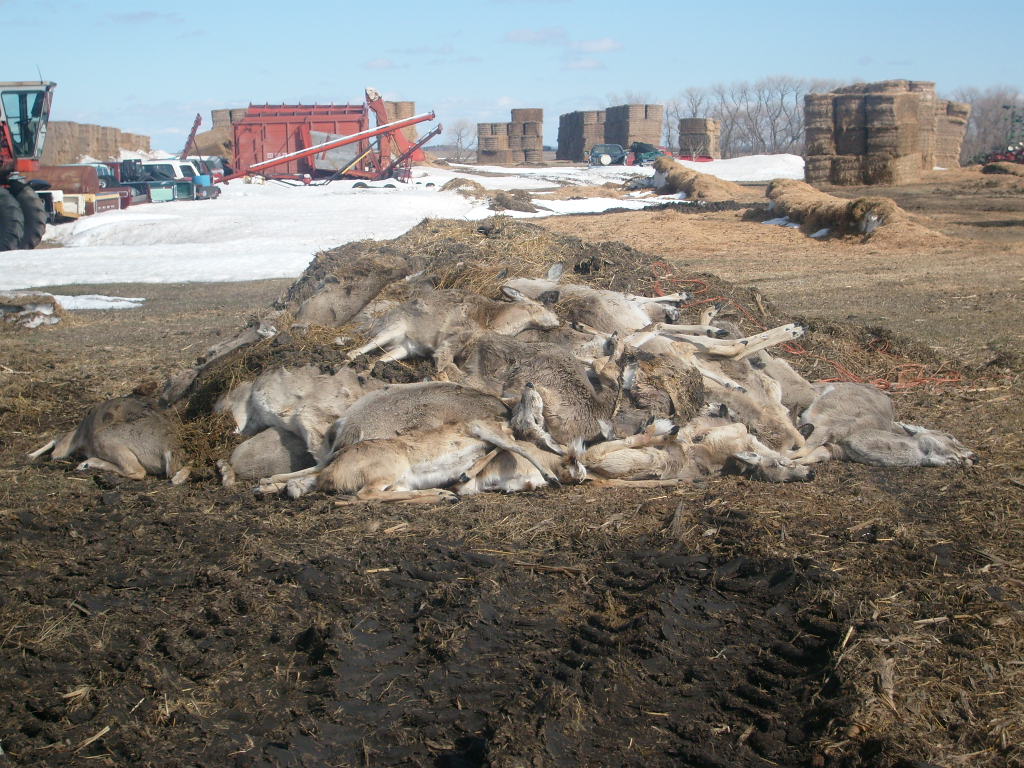
This is a pile of deer carcasses that were collected from our hay yard. Approximately 60-80 deer in this group.

Yeah, we had a problem. And some deer died. I’ve been asked many times, “Why?” The answer isn’t so simple. Game and Fish statistics say that most of the dead should be does and fawns that couldn’t handle the winter conditions. But from personally witnessing and inspecting many of the dead animals, (well, from a distance anyway) I can tell you that there were a LOT of nice-sized bucks in that pile.

So, again, why did they die? They had protection. They had plenty of protection. They had feed. Very nice, dairy-quality alfalfa. Which would have been worth between $10,000-$20,000 in the hay market. Ouch. That hurts. My guess is that the deer couldn’t handle the feed. It was truly too rich, and they basically died from really bad stomach aches. Kinda like dying from too much caviar. (Can that happen???) You see, deer are built to browse, they eat things like leaves and berries and your brand new trees that you plant! 😉

But the fact of the matter is, they died. And beside this pile of deer, remember that Game and Fish had already come and picked up a pick-up load of carcasses? So that’s more than 100 deer that died on our farm.

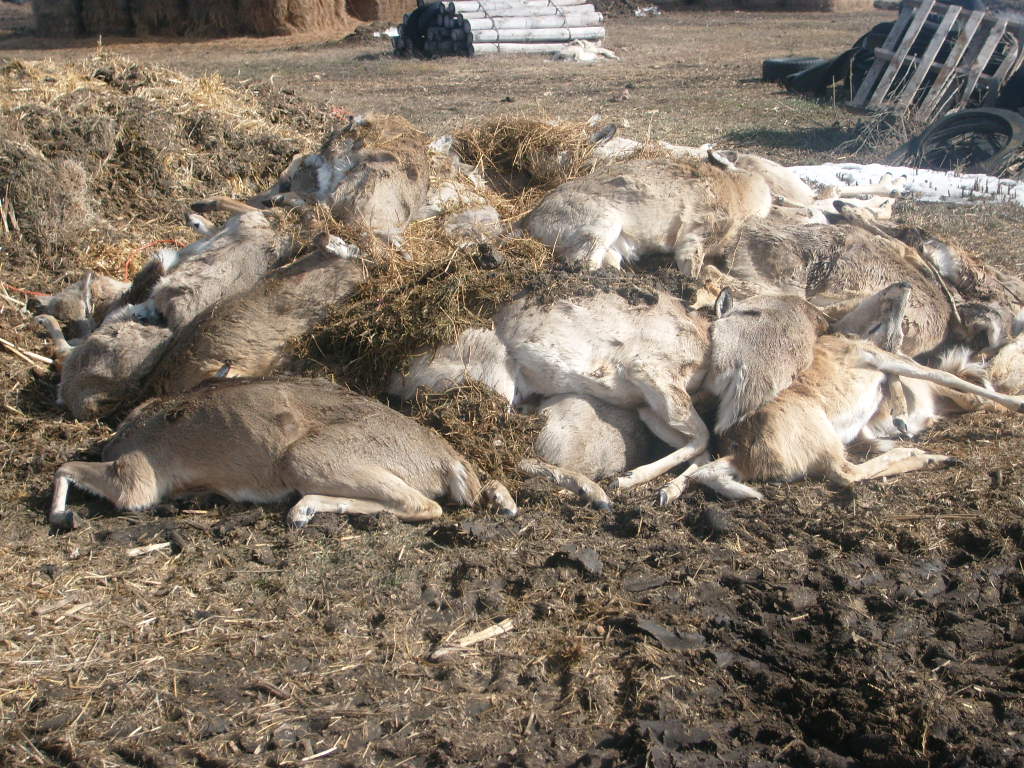
A closer shot of the pile that Mark buried.

What frustrates me almost more than the lack of action by Game and Fish is the waste of meat. Can you imagine the food pantries that could be stocked with this much meat? But I have an idea for this year…and it’s a way that we can curb our deer problem, encourage hunting, AND stock the food pantries!

Stay tuned for an announcement tomorrow! I can’t wait!!!

Good Friday trumps Earth Day

I was all prepared to write a post today about all the things we do on the farm that celebrates the Earth, such as using our manure, using no-till whenever possible, using the water from our well to heat our home…then heat our shop…then to water our cows, etc. (That’s right, all the same water, I’ll explain it sometime.)

But as I was sitting down to type last night, I decided to check out George’s lab work that was done at Mayo. (They have a really cool set-up, where you can register to log-in and receive the lab results yourself. No more waiting for that stinkin’ doctor’s call!) Anyway, I logged-in and for the first time ever, and I truly mean EVER, all of George’s lab work came back within normal ranges! (Well, minus the Vit. D and iron levels, but those are diet/sunshine related, not illness/disorder, so they don’t really count.)

I’ll admit it, I cried a bit. For the last just-about 2 years, I’ve dealt with continuously feeling like something wasn’t right, that we weren’t on the right track, bloodwork continuously showed something off here or there, nothing fit together, etc. It was a whirlpool of nightmares. Since George was born, he has seen: three pediatricians, two pediatric geneticists, two pediatric gastroenterologists, pediatric cardiologist, two pediatric endocrinologists, two pediatric neurologists, two dieticians, pediatric oncologist, pediatric neurosurgeon and several other various ER docs, nurses and staff. He has had: two colonoscopies, an upper GI series, multiple x-rays and ultrasounds, a liver biopsy, three MRI’s, an echocardiogram and two CT scans. He has given more blood for bloodwork that some people donate to the blood bank. He’ll be 2, and he’s been through so much, but is still such a wonderful little boy.

One of the things that I hear the most, when people hear about George, is that he doesn’t LOOK like anything is wrong with him. That’s always the problem. I wonder how many of those doctors blew us off because they felt he didn’t “look” sick enough. I know for sure one did, I overheard him tell the students that were following him those exact words. It went something like this, “And in this room is a 6-month-old male patient, case seems somewhat unremarkable. Mother has sought care at Mayo. Came in with fever, slight dehydration, etc. There’s no clear diagnosis, and I’m not real sure why they’re here. Their local hospital probably overreacted. We’ll keep him through tomorrow to satisfy the Mother.” (Needless to say, I requested a discharge immediately and we never returned to that set of physicians.)

We have so much to be thankful for.

This morning, Big Bro told me that they didn’t have school today because it was Earth Day. That sealed the deal for me. I’m not writing about our farm today. I’m not writing about how to recycle, or how to reduce your carbon footprint, or how to reuse your milk carton to make a mailbox. We should all know these things, and we should all be doing them. Every day. Period.

But today is Good Friday first. It’s a day that we celebrate all that has been given for us. The Blessing that was bestowed upon us so many years ago. And for me, today is a day of thankfulness.

Yes, I won’t be brushing my teeth with the water on, I’ll turn off lights where I don’t need them, our bulbs are already energy efficient. Those are things we do everyday. But today, I’ll spend extra time thanking God for those gifts that He has given. Including the ultimate sacrifice of His only Son.

Today is definitely a Good Friday.

Safe at home

We made it home last night. It was a relief to finally pull in, see the lights of home, hear the cows mooing to their calves, see our lab sitting at the front gate and to hear George raising a ruckus, because he knew where we were…home.

Our last appointment went about as well as our first. She did order another test to check his ferritin level, since I told her that he was waking up during the night a lot. (Apparently it’s a measure of iron, and a lack of it can cause your legs to feel restless.) Normal levels are between 25 and 336. George’s were 11. So we start a multivitamin to combat the low Vit. D and the low iron.

I asked about getting a prescription for a trip to Florida for a week or two. Dr. L said that the sun would work, but Boss Man piped up that the vitamins were cheaper. He’s no fun.

When I sat at my desk last night, I was going to write up a new blog post, but then I read a few of my friends’ posts and decided to wait until today.

Apparently a group, called Mercy for Animals, released hidden video footage of animals being abused on a dairy farm in Texas. Again, this group is attempting to undermine all of animal agriculture, because of one sick, twisted situation.

Here’s my take on the situation: If you are on a farm, and someone is abusing an animal, they should be IMMEDIATELY reported to the proper authorities. If they are a hired hand, they should be fired and turned in. If they are the owner, they should be turned in. Simple as that. The animal deserves better. Yes, I raise animals that I know are being consumed by someone. I know that our cows will someday be processed into something that will feed others. But we treat our cattle with respect.

There is no excuse for the action taken by the perpetrators in the video. That’s not what raising cattle is about. I don’t know of one single cattle producer that would condone such behavior…and it’s definitely the exception, not the norm.

We just spent three days away from our farm. We were on a medical trip with our youngest child. Although our focus was definitely on George’s appointments, part of Mark’s mind was back here. He was constantly on the phone, making sure that there weren’t any problems, the cattle were being fed, none had become ill, the mud wasn’t becoming unmanageable, planning for what to do when we got home, etc. It was non-stop. He spent hours upon hours before our trip, preparing the lots, so that things were easier when we were gone. Making sure that there was enough feed ready to go. Moving panels so that the mud was a little easier to manage, for both the tractor AND the cattle. That’s just what ranchers do. That’s what ANY animal caregiver would do.

I didn’t watch the latest abuse video. I don’t need to. Hearing about it is enough. It disgusts me. It angers me. And it frustrates me when groups try to tell the rest of the world that those types of actions are normal in our industry. It’s not. No way. No how. And if you don’t believe me, come to my farm and I’ll show you.

And I know of many others who would do the same.

Roadtrip

We are on the road again. We will be in Rochester sometime this evening, for doctor appointments the next few days. I know George isn’t a big fan of the trips, so it’ll be interesting.

I’m still going to try to blog every day. Had I been far enough ahead with all of this, I would have had my blogs ready to roll before we left, but that’s never worked out so well for me! If I plan far enough in advance, something always falls through. Oh well, our lives are exciting to say the least!

Spring has decided to play games with us, and winter has once again reared its ugly head. It’s snowing now again, as we speak. Yuck. I’m ready for sunshine and green grass, but maybe that will be here when we get back? One can always hope.

Here’s a few pics of EJ being helpful and shoveling our sidewalk. Love his enthusiasm!

Not what you want to see in April!


EJ love the "shubel" that Grandma B. gave him for Christmas! Maybe next year we will get him a snowblower.

Here it is, Ag Book of the Day 10:

“Little Star…Raising Our First Calf” by Twins Rianna and Sheridan Chaney. It’s a great story about twin girls and their experiences on the farm. I love how they define words in children’s terms at the back of the book. For example, “Manure – A fancy name for cow poop.” The pictures are great, and my kids love to see other kids involved in agriculture. Kindred souls, I guess.

Little Star... Raising Our First Calf
First in a new children's agricultural book series.  Rianna and Sheridan Chaney hope their experiences on the farm will help children understand the importance of farm animals and inspire them to appreciate all of God's creatures

Reflecting (Ag Book of the Day 10)

I’ve been reading more and more situations lately, where churches and others are making broad statements regarding farming, and the decisions that farmers should make.

I have a real hard time with that. I do not know of one farmer that would ever make a decision, based solely on financial gain, without thinking to the future or what will happen to their land if they abuse or misuse it. Yet, those are the implications that are made everyday by some that are not actually physically involved in production agriculture. Now, I’m not so naive as to think that those types of farmers/ranchers don’t exist, but we can’t cast down all of agriculture for them, can we?

Well, I don’t want to delve too deeply into it today, because it’s Friday, and it’s snowing, and I’m already in a bad mood. But I want to bring your attention to a blog I wrote about it a little while back…and I still stand behind it today. What if these tools have been given to us to use? What if technology isn’t an “accident” at all? Hmmm…

Anyway…on to Ag Book of the Day 10:

Today, I went with an old stand-by…not because I don’t have any others to choose from, but because I have it on my Kindle. How’s that for combining traditional ag-themed children’s books and modern technology??? Without further ado, welcome to

“Old McDonald Had a Farm” and it’s now available wirelessly! 🙂
not only does it have great illustrations (if you have the original version, the illustrations are definitely funnier, and not so politically correct!), but it also teaches young children about the sounds of the farm, and how busy it can be! And who can forget one of the greatest nursery rhymes of all time???
I just had to throw this one in the mix, since it is on my Kindle. Next week I’ll be back to more obscure and lesser-known books, but for now…ENJOY!

Ag Book of the Day 9

Today’s Ag Book of the Day was brought to my attention by my dear, dear friend Katie at Pinke Post:

“If You’re Not From the Prairie” by David Bouchard and Henry Ripplinger. It’s suggested for children in grades four through seven, but I believe any child of any age can relate to the amazing lines of poetry.

Although I do not own this book yet, I will by the end of the weekend…if the weather allows us to travel. (We’re under a winter storm warning for tomorrow…Yay!)

This book has beautiful poetry and great illustrations of what life is really like on the prairie. It’s a strong reminder of all the things that we take for granted, especially when winter is dragging on a day or three too long!

Do you have any other suggestions of ag-related books that you enjoy? Young or old alike?

Signs of spring – Ag Book of the Day 8

For those new to my blog, the month of april is Cultivating Reading month at our school. In support of such a great month, I’ve decided to feature an Ag Book for each day of school. Today is day eight!

And since we’re entering the half-way point of April (and it’s Wordless Wednesday…hmmm, Wordy Wednesday?), I’ve decided to include some pics of sure signs of spring:

Lilacs budding? Check.

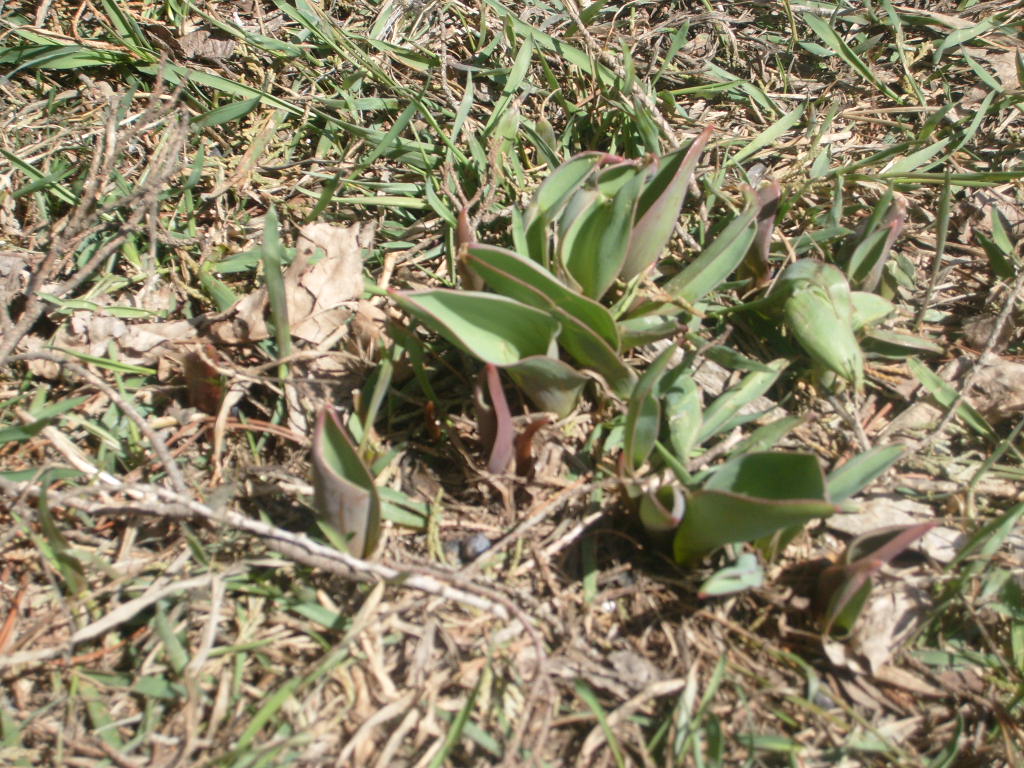
Tulips coming up? Check.

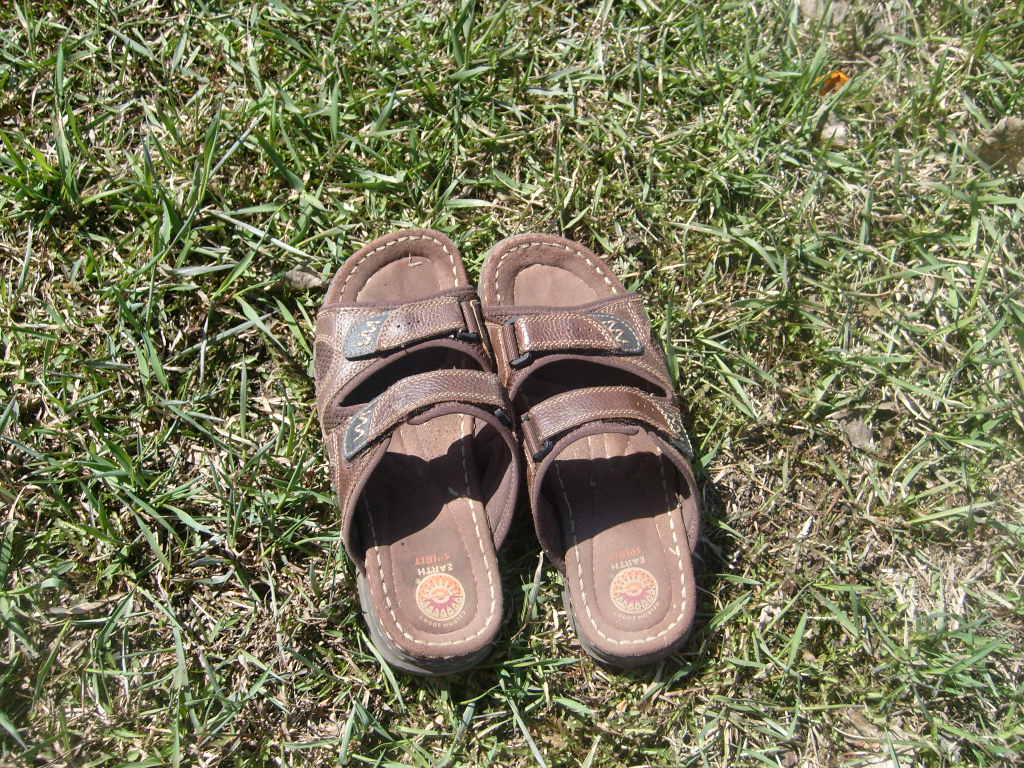
Green grass? Sandal weather? Check and check.

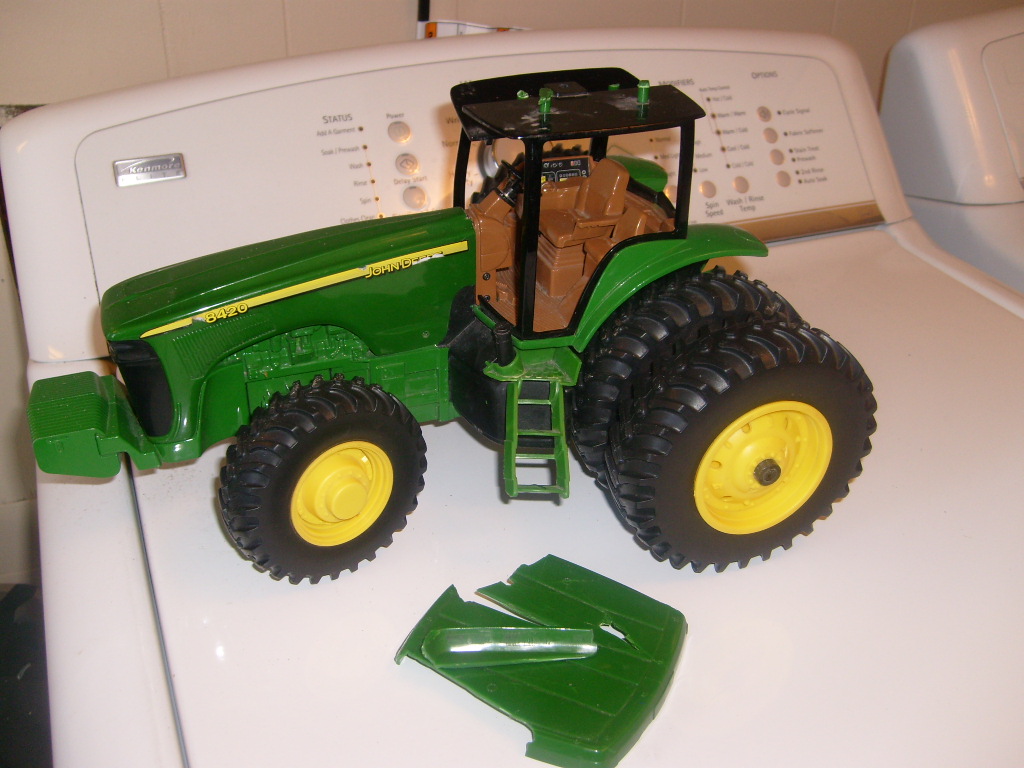
Shop open for repairs?

Parts arrived? Check.

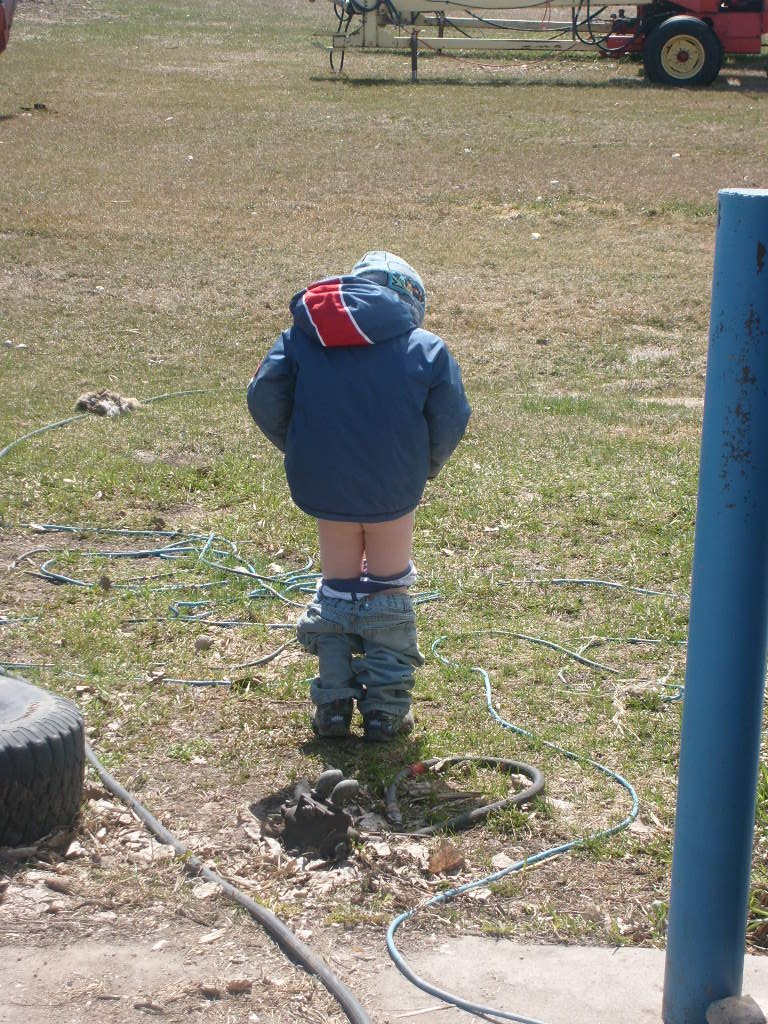
But the best sign of spring? Outdoor bathroom is open for business.

Today’s Ag Book of the Day is:

When the Rooster Crowed

“When the Rooster Crowed” by Patricia Little. It’s a really great book about a farmer that wants just a few more moments of rest before starting his chores in the morning…but too many people and animals are relying on him! It’s a cute story, with great illustrations, and my boys love reading it, especially when they’ve gone one too many mornings without seeing Dad.

Records – Part 2 (Ag Book of the Day 7)

So, as promised yesterday, I said that I would explain what records we keep for our heifers (females that haven’t had a calf).

At birth, the records are the same. We keep track of the cow number, the sire (or bull), date of birth, weight at birth, calving ease number and weaning weight (adjusted to 205 days). The only thing that is different, is when we decide to keep a heifer to include her in our herd.

As I’ve mentioned before in my blog, bull calves get white tags at birth, heifer calves get yellow tags. If a heifer is chosen to stay in the herd, she keeps that yellow tag until after she’s been bred with her first calf. Sometime between breeding and calving, those heifer tags are switched to a new cow tag, the chosen color for that year and a new number.

That’s why it’s so important to have those records. This way we can keep track of which calves came from which cow, which bull sired which calves, etc. This way, if we have really large calves, we can see if the bull is the problem, or if there are other genetic abnormalities or issues. Also, we can make sure that no heifer is bred to its own bloodline.

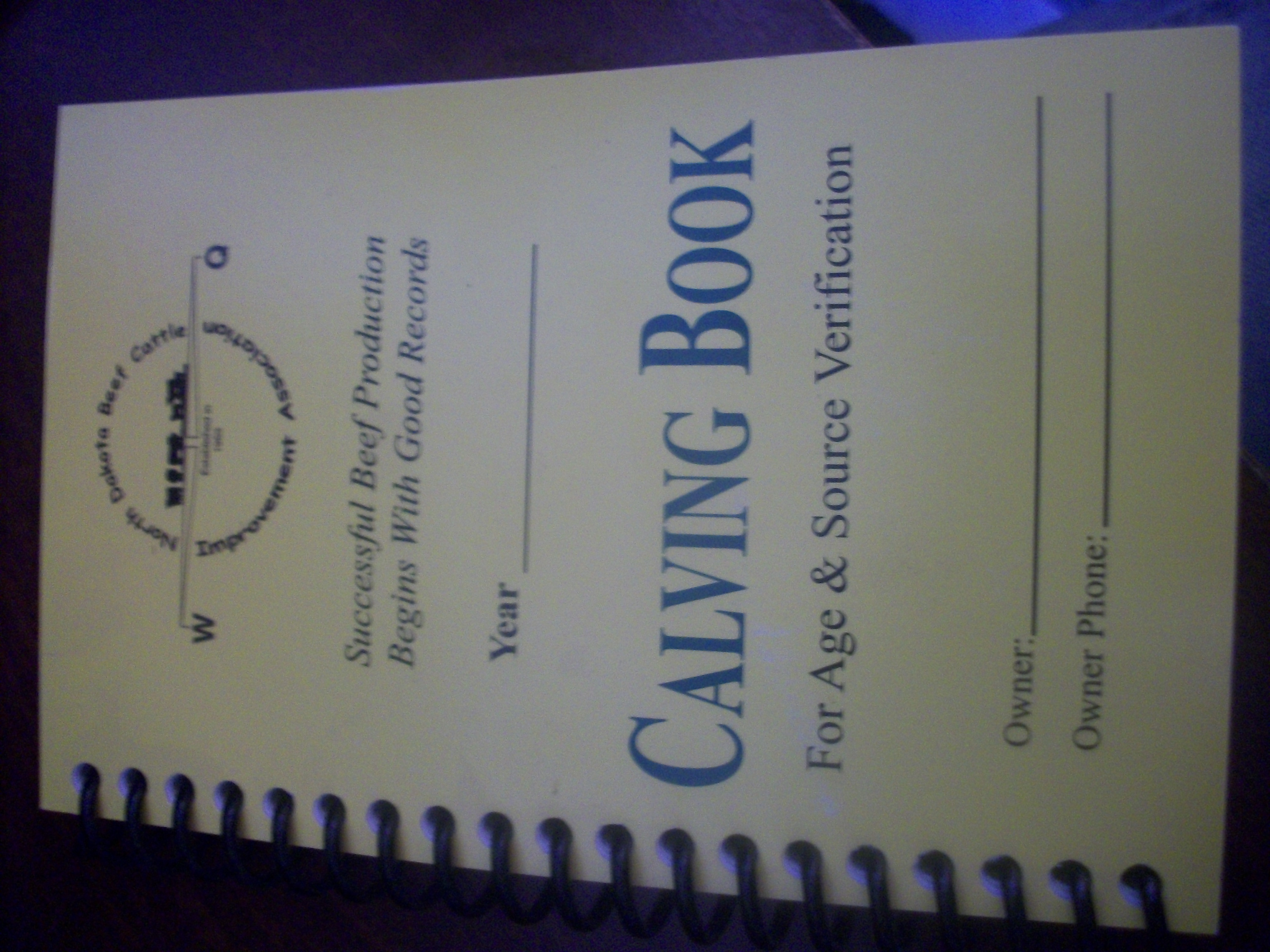
Boss Man writes down the calving information in a small notebook that he keeps in his pocket, then he transfers that information to his calving book that he keeps in the shop. We used to keep that information in the kitchen, so I could help with writing out tags and such, but one Easter morning, right before church, we found out that Scooter knew how to use a Z-tag marker.

What happens when you have a child find a Z-tag marker right before church on Easter Sunday. (Pic is of Scooter, Big Bro, EJ and their cousin)

So, needless to say, Boss Man does all his own tags now…in the shop.
On to Ag Book of the Day 7 – “Senses on the Farm” by Shelley Rotner.
I had the privilege of being able to be involved with the American Farm Bureau Young Farmer and Rancher committee that read this book to a small, young classroom outside of Atlanta this year. It’s a great book, with great pictures, allowing lots of discussion and question-answering.

A matter of record – Ag Book of the Day 6

I was asked if I could explain the records that we keep for our herd, so I will do my best to do just that. (And I’m willing to take other blog requests!)

Before I get to the details, let me tell you that our record-keeping has joined the 20th century (I would say 21st, but we don’t use smart phones…yet) and it’s mostly computer-based, and has been since 1988. We use what is called CHAPS, or Cow Herd Appraisal Performance Software.

We have one of these for every calving season, since 1988.

This is how the typical method of record keeping goes for a calf – from birth to sale barn (let’s just say that this particular calf is a steer, since most steers are sold). (And to clarify, a steer was born a bull calf, but was castrated within a few months from birth.)

Shortly after birth, the cow number, the sire (if known), date and weight is wrote down, as well as whether the calf is a bull or heifer. The calf number is the same as the cow, as long as it’s a single birth and both the cow and calf are healthy. The other number that is recorded at birth is the calving ease number.

Calving ease is just what it sounds like…how easily the calf was born. It’s a 1-5 scale, with 1 = no assistance, 2 = minor difficulty, some assistance (Boss Man may have to assist by using the obstetrical chains and pulling some, but just using his own strength, no mechanical assistance.), 3 = major difficulty, usually mechanical assistance (such as a calving jack), 4 = caesarean section (surgical removal of calf), and 5 = abnormal presentation (such as backwards calf, or feeling a tail, not a head).

In the fall of the year, the calves are weighed and weaned (adjusted to 205 days). We keep track of their weight, so that we can figure out what their gain was from weaning to sale time. That way we can make adjustments to feed, weaning date, etc., for the next season (if numbers aren’t where we like), or we can be assured that we’re doing what we need to do, producing the best results we can.

The next time we weigh the steers would be right before sale time. Not only will we know what their average rate of daily gain is (usually 3 pounds per day for our herd), but we can also sort our cattle into different groups, making it better for the buyer (uniformity is always a goal).

Once our cattle go through the sale barn, we have no data on them. We don’t retain any type or percentage of ownership, so there is no reason for whomever is finishing them to harvest weight to let us know how they did.

Now, I’ve mentioned before that our herd is a closed one, meaning that every cow here was born here. We can trace back any cow, calf, etc. that’s on our farm to her origins. It’s kinda cool.

Tomorrow I’ll talk about our heifer and cow records. If you have any specific questions, feel free to ask! I love answering questions about our farm and our herd!

And now on to today’s Ag Book of the Day – Day 6:

“Plow! Plant! Grow!” yet another John Deere book (but yet again, one of EJ’s absolute favorites!). It’s a board book, so it’s easy for even George to handle. The pictures are bright and colorful, and it talks about many of the different farming activities that happen on the farm. We don’t use all the methods that they cover, but it’s neat to be able to bring other methods into our discussions. Love it!