Signs of spring – Ag Book of the Day 8

For those new to my blog, the month of april is Cultivating Reading month at our school. In support of such a great month, I’ve decided to feature an Ag Book for each day of school. Today is day eight!

And since we’re entering the half-way point of April (and it’s Wordless Wednesday…hmmm, Wordy Wednesday?), I’ve decided to include some pics of sure signs of spring:

Lilacs budding? Check.

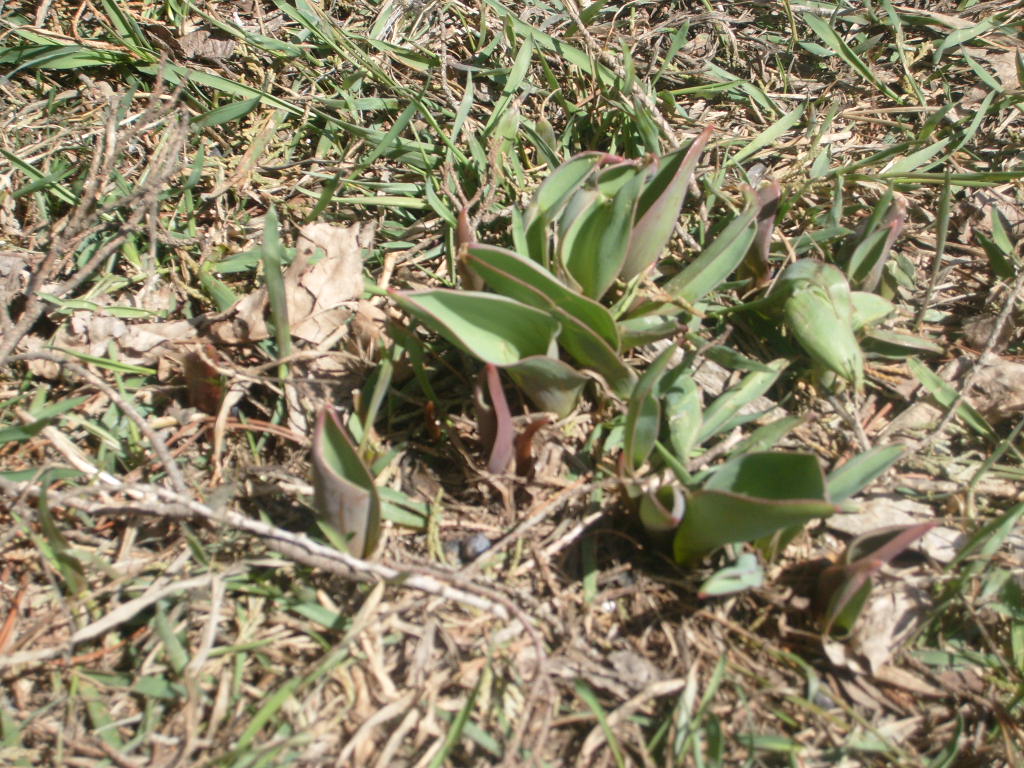
Tulips coming up? Check.

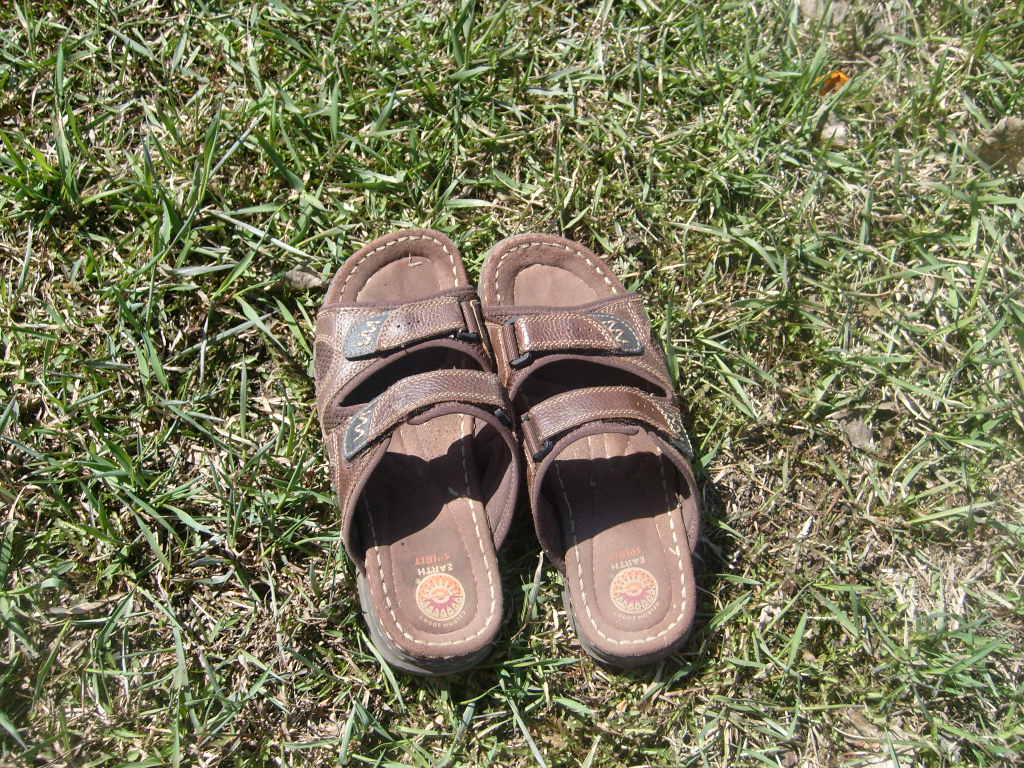
Green grass? Sandal weather? Check and check.

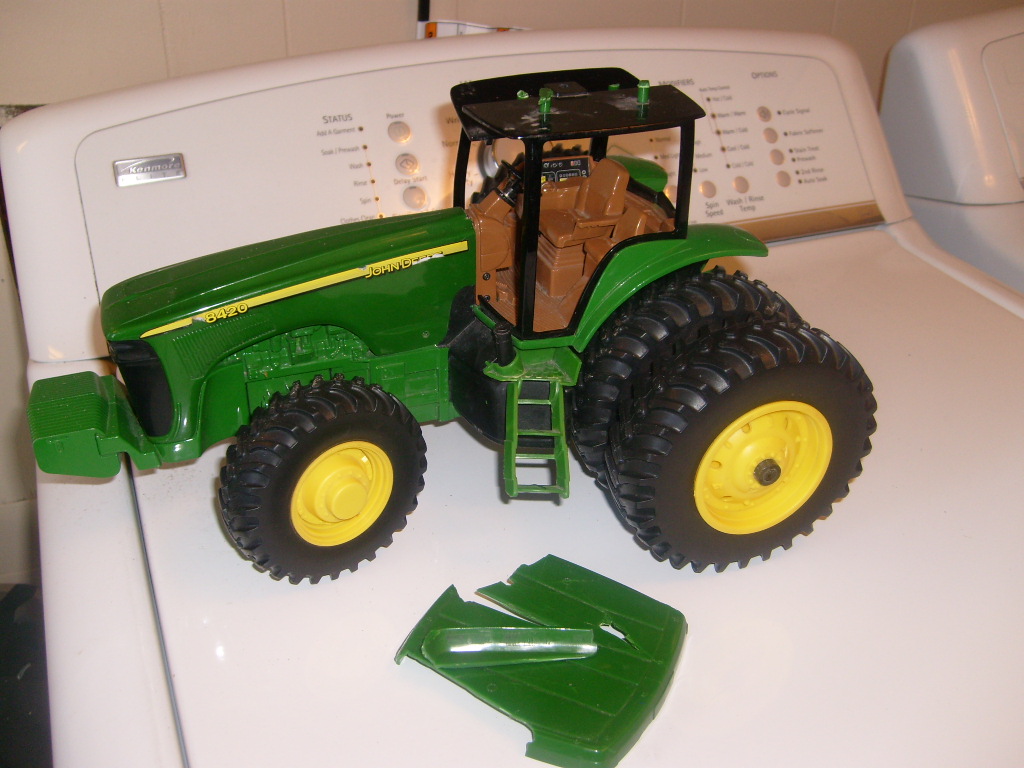
Shop open for repairs?

Parts arrived? Check.

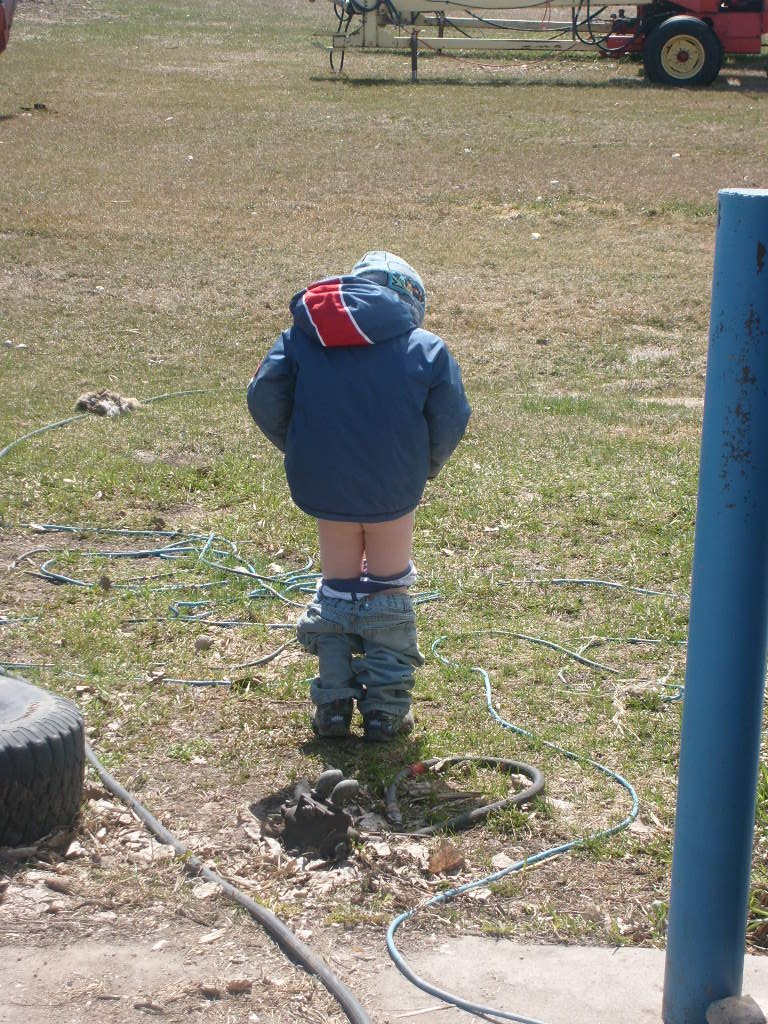
But the best sign of spring? Outdoor bathroom is open for business.

Today’s Ag Book of the Day is:

When the Rooster Crowed

“When the Rooster Crowed” by Patricia Little. It’s a really great book about a farmer that wants just a few more moments of rest before starting his chores in the morning…but too many people and animals are relying on him! It’s a cute story, with great illustrations, and my boys love reading it, especially when they’ve gone one too many mornings without seeing Dad.

Records – Part 2 (Ag Book of the Day 7)

So, as promised yesterday, I said that I would explain what records we keep for our heifers (females that haven’t had a calf).

At birth, the records are the same. We keep track of the cow number, the sire (or bull), date of birth, weight at birth, calving ease number and weaning weight (adjusted to 205 days). The only thing that is different, is when we decide to keep a heifer to include her in our herd.

As I’ve mentioned before in my blog, bull calves get white tags at birth, heifer calves get yellow tags. If a heifer is chosen to stay in the herd, she keeps that yellow tag until after she’s been bred with her first calf. Sometime between breeding and calving, those heifer tags are switched to a new cow tag, the chosen color for that year and a new number.

That’s why it’s so important to have those records. This way we can keep track of which calves came from which cow, which bull sired which calves, etc. This way, if we have really large calves, we can see if the bull is the problem, or if there are other genetic abnormalities or issues. Also, we can make sure that no heifer is bred to its own bloodline.

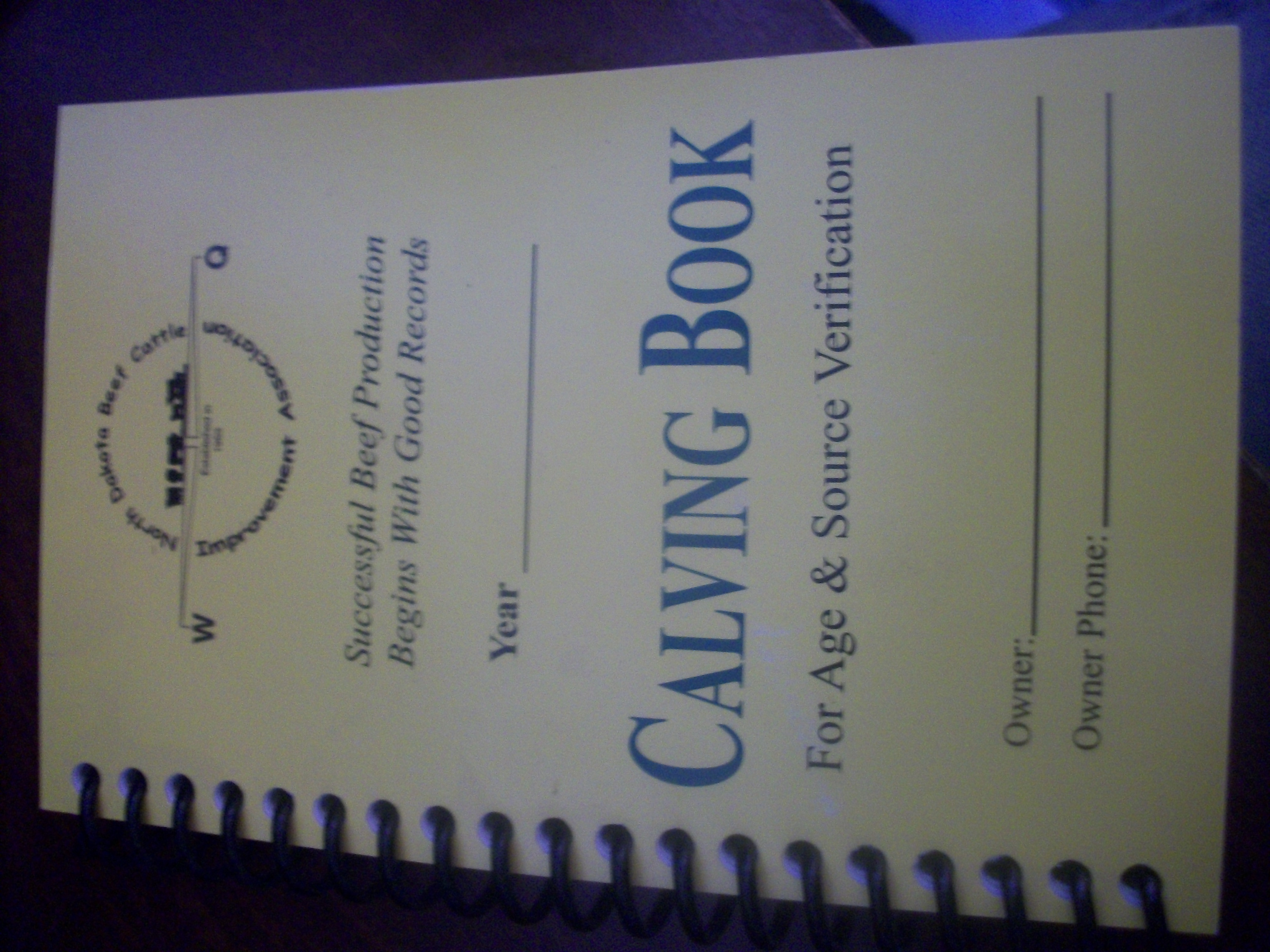
Boss Man writes down the calving information in a small notebook that he keeps in his pocket, then he transfers that information to his calving book that he keeps in the shop. We used to keep that information in the kitchen, so I could help with writing out tags and such, but one Easter morning, right before church, we found out that Scooter knew how to use a Z-tag marker.

What happens when you have a child find a Z-tag marker right before church on Easter Sunday. (Pic is of Scooter, Big Bro, EJ and their cousin)

So, needless to say, Boss Man does all his own tags now…in the shop.
On to Ag Book of the Day 7 – “Senses on the Farm” by Shelley Rotner.
I had the privilege of being able to be involved with the American Farm Bureau Young Farmer and Rancher committee that read this book to a small, young classroom outside of Atlanta this year. It’s a great book, with great pictures, allowing lots of discussion and question-answering.

A matter of record – Ag Book of the Day 6

I was asked if I could explain the records that we keep for our herd, so I will do my best to do just that. (And I’m willing to take other blog requests!)

Before I get to the details, let me tell you that our record-keeping has joined the 20th century (I would say 21st, but we don’t use smart phones…yet) and it’s mostly computer-based, and has been since 1988. We use what is called CHAPS, or Cow Herd Appraisal Performance Software.

We have one of these for every calving season, since 1988.

This is how the typical method of record keeping goes for a calf – from birth to sale barn (let’s just say that this particular calf is a steer, since most steers are sold). (And to clarify, a steer was born a bull calf, but was castrated within a few months from birth.)

Shortly after birth, the cow number, the sire (if known), date and weight is wrote down, as well as whether the calf is a bull or heifer. The calf number is the same as the cow, as long as it’s a single birth and both the cow and calf are healthy. The other number that is recorded at birth is the calving ease number.

Calving ease is just what it sounds like…how easily the calf was born. It’s a 1-5 scale, with 1 = no assistance, 2 = minor difficulty, some assistance (Boss Man may have to assist by using the obstetrical chains and pulling some, but just using his own strength, no mechanical assistance.), 3 = major difficulty, usually mechanical assistance (such as a calving jack), 4 = caesarean section (surgical removal of calf), and 5 = abnormal presentation (such as backwards calf, or feeling a tail, not a head).

In the fall of the year, the calves are weighed and weaned (adjusted to 205 days). We keep track of their weight, so that we can figure out what their gain was from weaning to sale time. That way we can make adjustments to feed, weaning date, etc., for the next season (if numbers aren’t where we like), or we can be assured that we’re doing what we need to do, producing the best results we can.

The next time we weigh the steers would be right before sale time. Not only will we know what their average rate of daily gain is (usually 3 pounds per day for our herd), but we can also sort our cattle into different groups, making it better for the buyer (uniformity is always a goal).

Once our cattle go through the sale barn, we have no data on them. We don’t retain any type or percentage of ownership, so there is no reason for whomever is finishing them to harvest weight to let us know how they did.

Now, I’ve mentioned before that our herd is a closed one, meaning that every cow here was born here. We can trace back any cow, calf, etc. that’s on our farm to her origins. It’s kinda cool.

Tomorrow I’ll talk about our heifer and cow records. If you have any specific questions, feel free to ask! I love answering questions about our farm and our herd!

And now on to today’s Ag Book of the Day – Day 6:

“Plow! Plant! Grow!” yet another John Deere book (but yet again, one of EJ’s absolute favorites!). It’s a board book, so it’s easy for even George to handle. The pictures are bright and colorful, and it talks about many of the different farming activities that happen on the farm. We don’t use all the methods that they cover, but it’s neat to be able to bring other methods into our discussions. Love it!

Calving by the numbers – Ag Book of the Day 5

I promised yesterday a calving post, but the day got away from me…I know, real shocker, right?

Here is the 2011 calving data:

2/11/11 – Starting date of calving

5 – cows left to calve, as of this posting

75 – number of bull calves

95 – number of heifer calves

9 – most calves in one day, including two sets of twins

2/19/11 – most sets of twins in a 24 hr. period (5 sets)

48 lb. – smallest calf (a twin)

130 lb. – largest calf (not a twin…but born by c-section, only vet call for an assisted delivery this year. Knock on wood.)

18 – number of sets of twins for this year

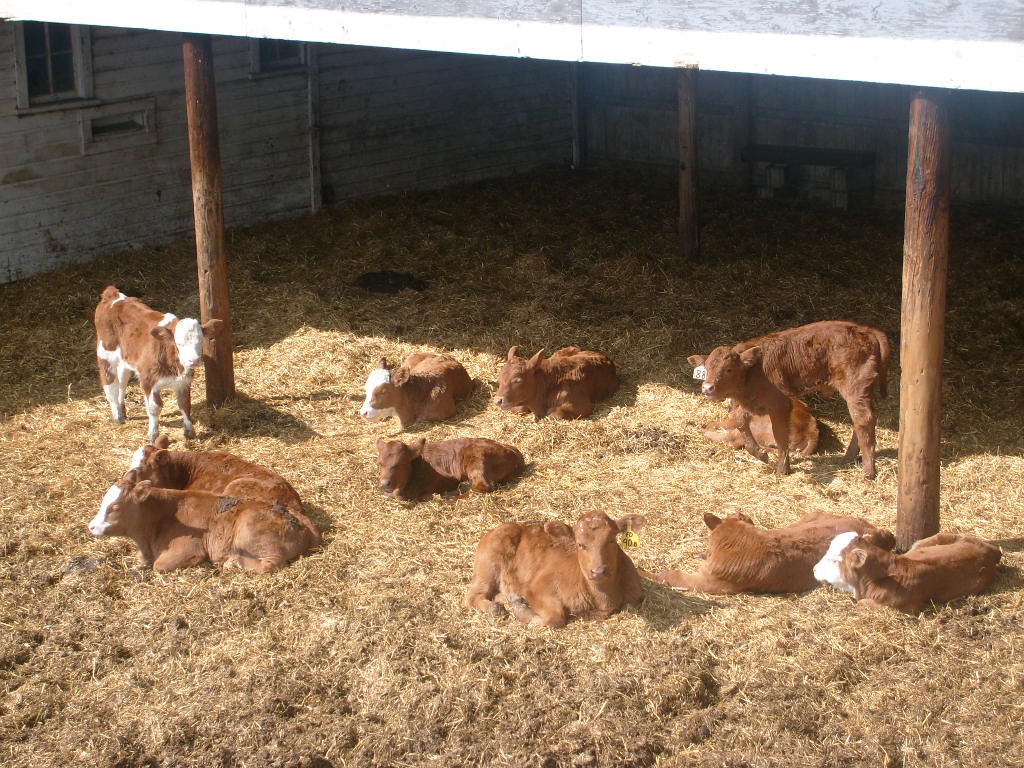
This group of twin calves is enjoying a day in the sun!

8 – number of sets of twins that were heifer/bull sets (I’ll get into why that’s important to know in another blog, but if you follow Cows_Life on twitter, you’d already know that answer!)

12 – number of calves that have died

3/17/11 – first day that we did not have a calf since calving began

165 – number of cows on the farm right now

170 – number of calves on the farm right now

This calf is a twin...notice the "B" on it's tag? There's an "A" to match!


And now onto today’s Ag Book of the Day:

“Buttercup, the Clumsy Cow” by Julia Moffatt and Lisa Williams. It’s a really cute book, focusing on how to make the most out of any situation. Yes, it’s silly, but you need some humor on the farm too! Plus, it still gives plenty of places where you can talk about real-farm stuff, like the dangers of wildlife to livestock, etc. Mostly, my boys just love it!

Lots’o laughs – Ag Book of the Day 4

Today is Pocket Day at school. The boys each put a joke (written on a piece of paper) in their pocket. Scooter’s joke was:

Why didn’t the skeleton cross the road?

Because he didn’t have the guts to do it.

I’m not sure which joke Big Bro went with, but he was taking advice from Scooter, so I can about imagine. Ah, the joys of young boy humor!

Today’s book is one that we read from a lot at night. It’s titled, “5-Minute Barnyard Tales for Bedtime,” with more than 90 stories by a variety of authors.

5 Minute Barnyard Tales for Bedtime

Now, the stories are great, most with moral lessons, but I will give you a heads-up, some of the animals talk. (I know for some parents, talking animals is a no-no in farm books.) But my boys know that our animals don’t talk. They also know that our hamburger comes from our cows and that our bacon and pork products come from pigs. So using their imagination for a story isn’t a big deal.

But again, the stories are GREAT! They are short and sweet and almost all of them have really great lessons that can easily be related to everyday situations. Plus, a lot of the farm situations are very accurate, which is something we end up talking about too.

And, as promised, later on today I will be putting together a blog recapping our calving season. We’re not completely done yet, but we’re pretty close.

Which means that spring MUST be here…somewhere.

Maximum multiples

It seems that farms and ranches that are having multiple births have been in the news as of late. There have been articles in local papers with herds that have three sets of twins, some on the same day, etc.

Well, not to toot our own horns (but why would I have a blog if I didn’t want to share our story?)…but we’ve had 18 sets of twins this year. Yep, 18.

Now, not all of the twins made it, but as of this morning, six cows are still raising both calves. That means that our calving season has produced more calves than we have cows. Which is pretty cool.

Want to hear something more impressive? My brother-in-laws farm in South Dakota has produced 22 sets of twins this year. Now, genetically these herds are linked. They both come from the original herd started here on the farm. But they do follow different breeding protocols, so although similar, the herds are markedly different.

Twins are the norm around here…I’m just glad it’s stuck to only the cattle! 🙂

Not-so-wordless Wednesday – Ag Book of the Day 3

Since it’s Reading Month at the school, I figured that it wouldn’t serve my purpose very well to go wordless today. But I am featuring a book that doesn’t have a LOT of words to it. It’s one of George’s favorites, and it is:

Large Slide and Find Trucks: Large Slide and Find Trucks

“Trucks” by Priddy Books. It’s a board book, with slide and find panels. And it’s GREAT! Most board books/lift-the-flap/slide-panels don’t last in our house. They are usually destroyed very quickly by little hands that aren’t careful, patient, etc. Not this one.

George can look at this book for HOURS and I do mean hours. It covers colors, different types of transportation, different kind of workers (not just farmers, although there are definitely tractors in it!). Again, it’s just another great book.

Today at school it was Bandana Day, “wrap up with a good book.” Big Bro was excited to wear a bandana to school. Scooter decided that he was to old for that stuff (which is totally unlike him). Oh well, to each their own.

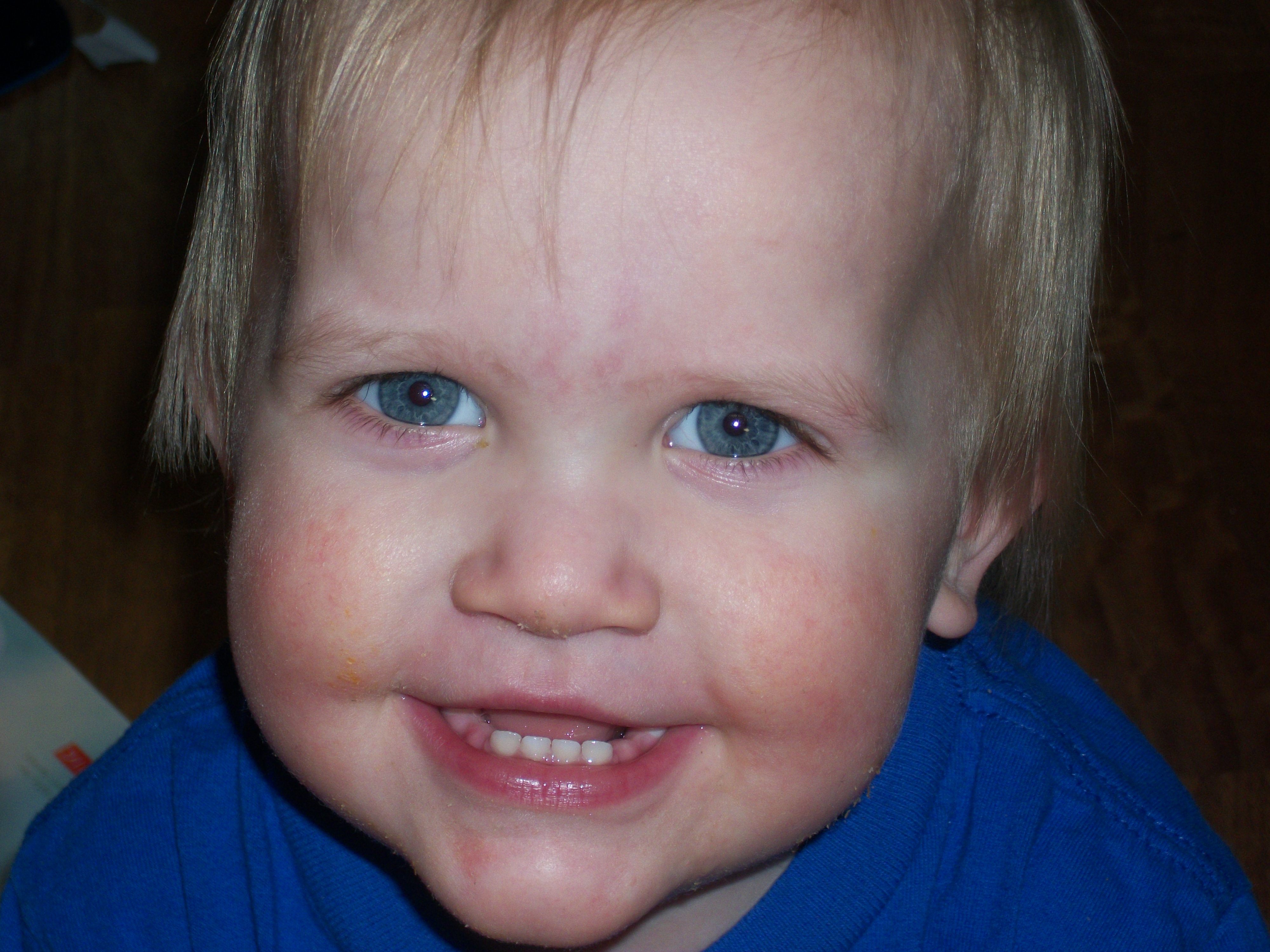
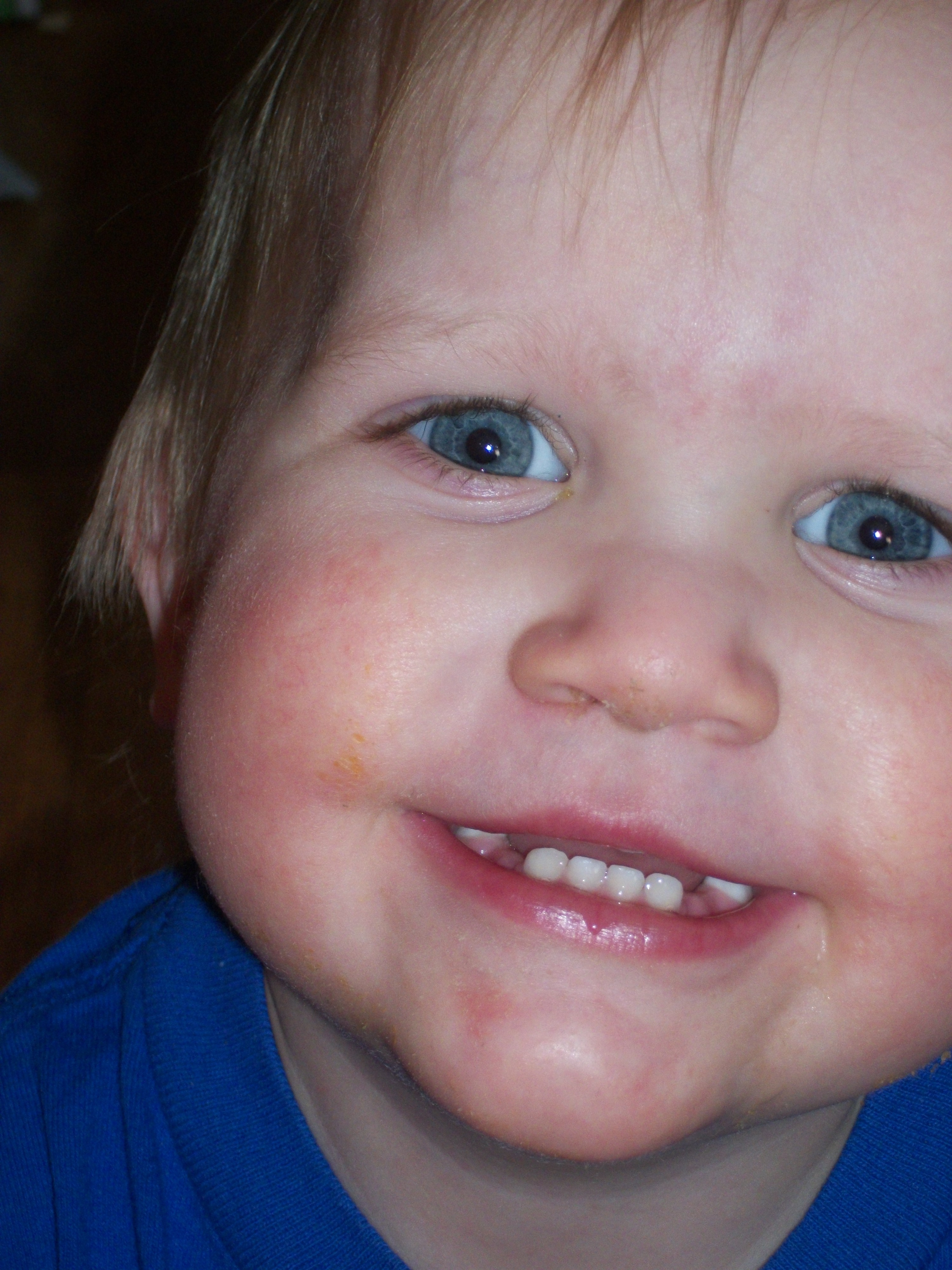
There it is…my book of the day. But in keeping with the Wordless Wednesday theme, here’s some of my favorite George shots. Enjoy!

Don't mind my dirty face, I'm still cute!

Smile!

Look into my eyes...

Boxes aren't the only cheap toy!

Guess who will be 2 soon?

You might not be able to put Baby in a corner, but you can put George in a bucket!

Fabulous flannel – Ag Book of the Day 2

Today is Flannel Shirt Day at my boys’ school. I didn’t send them to school in flannel, because they decided they didn’t like wearing it a few years ago, and they are both at the age that they can decide what they want to wear, to an extent.

But I promised yesterday that I would give my Ag Book of the Day choices through the month of April, since it is Cultivating Reading Month at the school. Here is today’s pick:

It is “Good Morning, Farm!” by Catherine Nichols. It’s a Level 1 Reader from DK Readers, and it happens to feature mostly John Deere equipment. I like this book because it has real pictures, it includes many different types of farming (orchards, honey, milk, pigs, chickens, vegetables, grain, etc.) and it’s short and sweet and easy to read.

Enjoy!

Industrial-sized love

Yesterday, I overheard…hmmmm…over-read?…What would you call it if you caught a tweet that wasn’t directed TO you, but was about you? Well, anyway, that happened.

Someone claimed that a majority of farmers/ranchers involved in social media are “industrial ag.” (Particularly those that have ever participated in a Tuesday-night Twitter chat called #agchat.) I took offense to that. I’ve participated in several of these “chats,” where questions are asked and answered. No one claims to be an expert, no one claims to have all the answers, it’s just a discussion. The point is to connect the consumer to the producer. Sounds great, right?

Well, apparently someone off in cyber-world doesn’t want this conversation to take place. Perhaps it’s someone who enjoys causing trouble, or someone who profits from discontent. But when you accuse me and my friends of being something we’re not, you better back up your accusations with specific definitions, numbers, acres, parameters, etc.

I asked this particular person what “industrial ag” meant. And of course, received no response. Apparently throwing out terms and accusations is enough. Planting seeds of doubt seems to be the game, while we’re all busy planting real seeds…you know, the kind that feed the people who question our motives.

So, I’ve decided to delve into the definition of industrial ag, and see if I can come up with my own answers. I know quite a few people who have participated in the #agchat conversation on Twitter, and they have operations very similar to mine. So let’s get started:

Industrial – definition –

adjective

  1. having the nature of or characterized by industries
  2. of, connected with, or resulting from industries
  3. working in industries
  4. of or concerned with people working in industries
  5. for use by industries: said of products

noun

  1. a stock, bond, etc. of an industrial corporation or enterprise: usually used in pl.
  2. Rare a person working in industry
  3. a form of dance music characterized by pulsating rhythms, fragmented vocal lines, and distorted electronic sounds including urban sound effects

OK, so the definition doesn’t tell me much. I mean, according to the definition, anyone involved in agriculture is industrial…because we’re involved in the industry. But I don’t think that’s the connotation that was shot for when the comment was made. So let’s look at the operation:

They're oldies, but goodies.

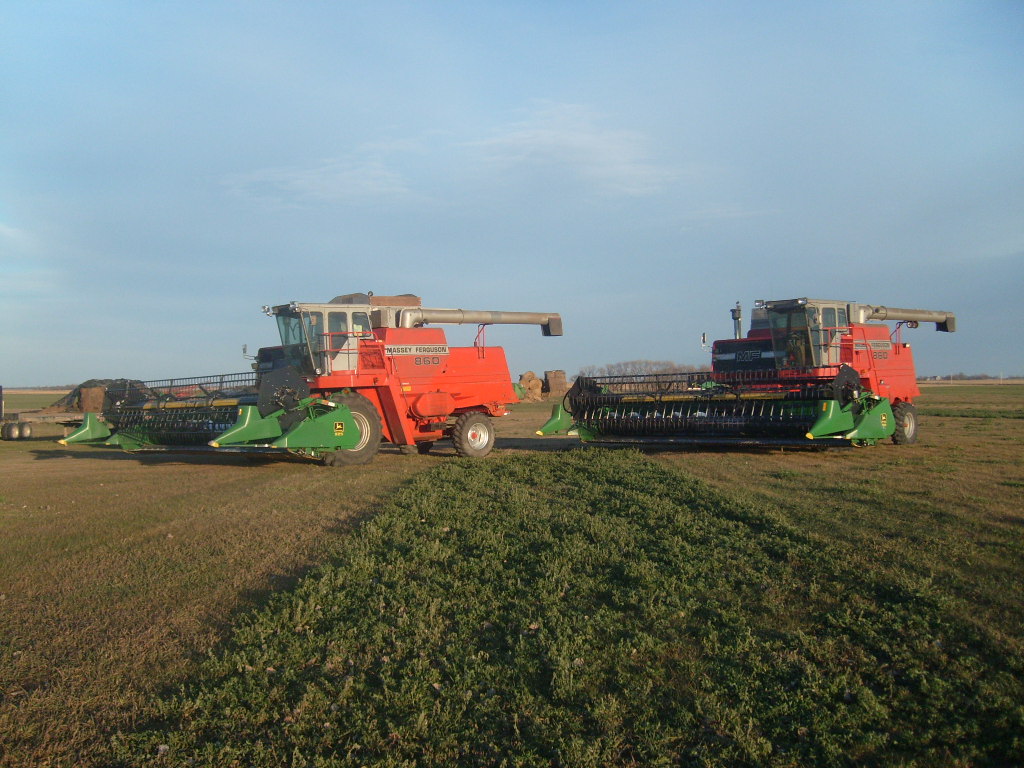
Perhaps our state-of-the-art, vintage methods of combining our crops make us industrial?
This is the house I grew up in.

My house

Or maybe it was the silver-spoon I was raised with?

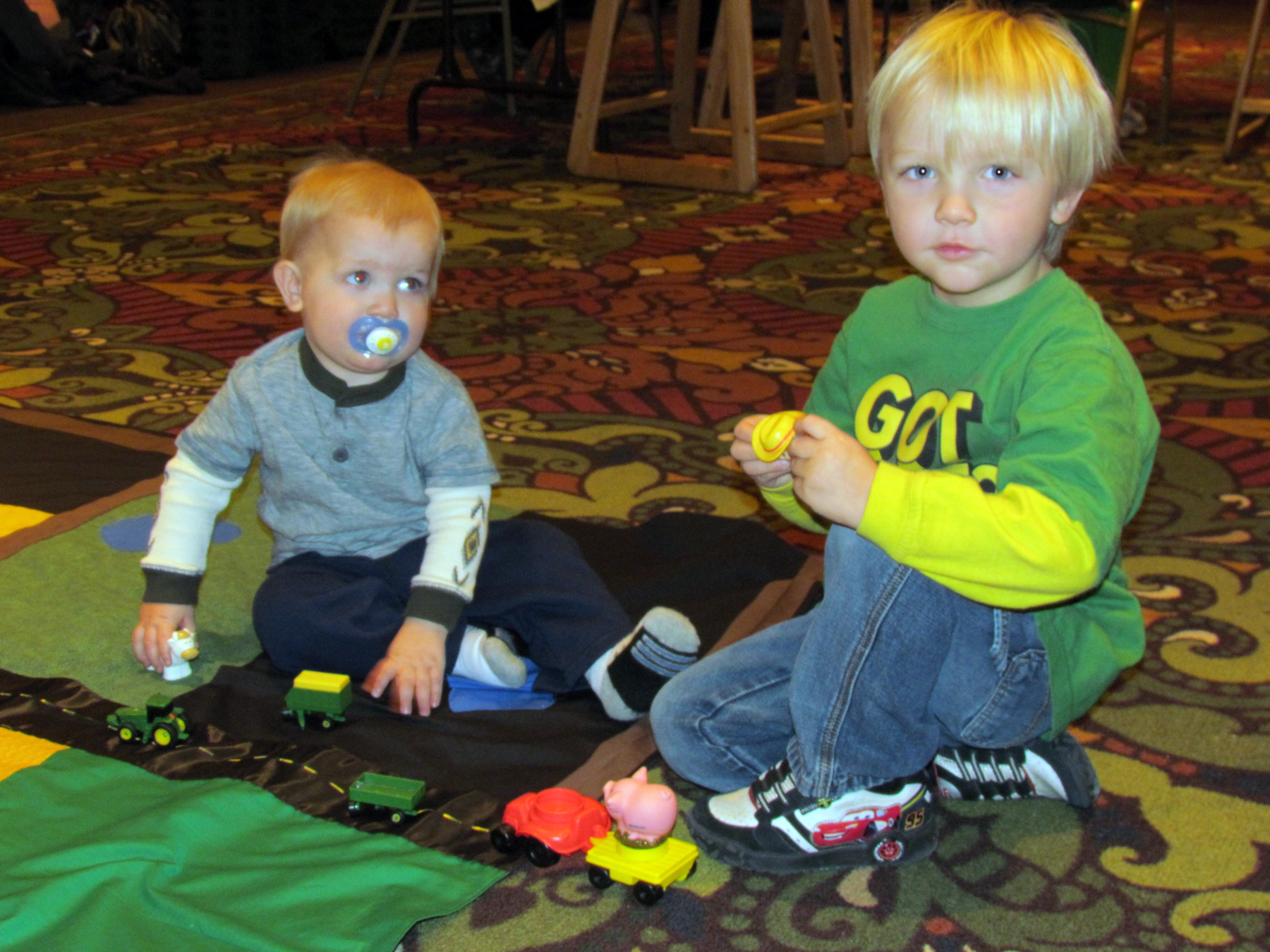
Future Farmer

EJ already knows he has big shoes to fill!

Or maybe it’s our hired men…there are four of them, you know. They don’t get paid much, but their benefits are extraordinary!

It takes all types...of equipment, that is.

Maybe it’s our specialized equipment we use?

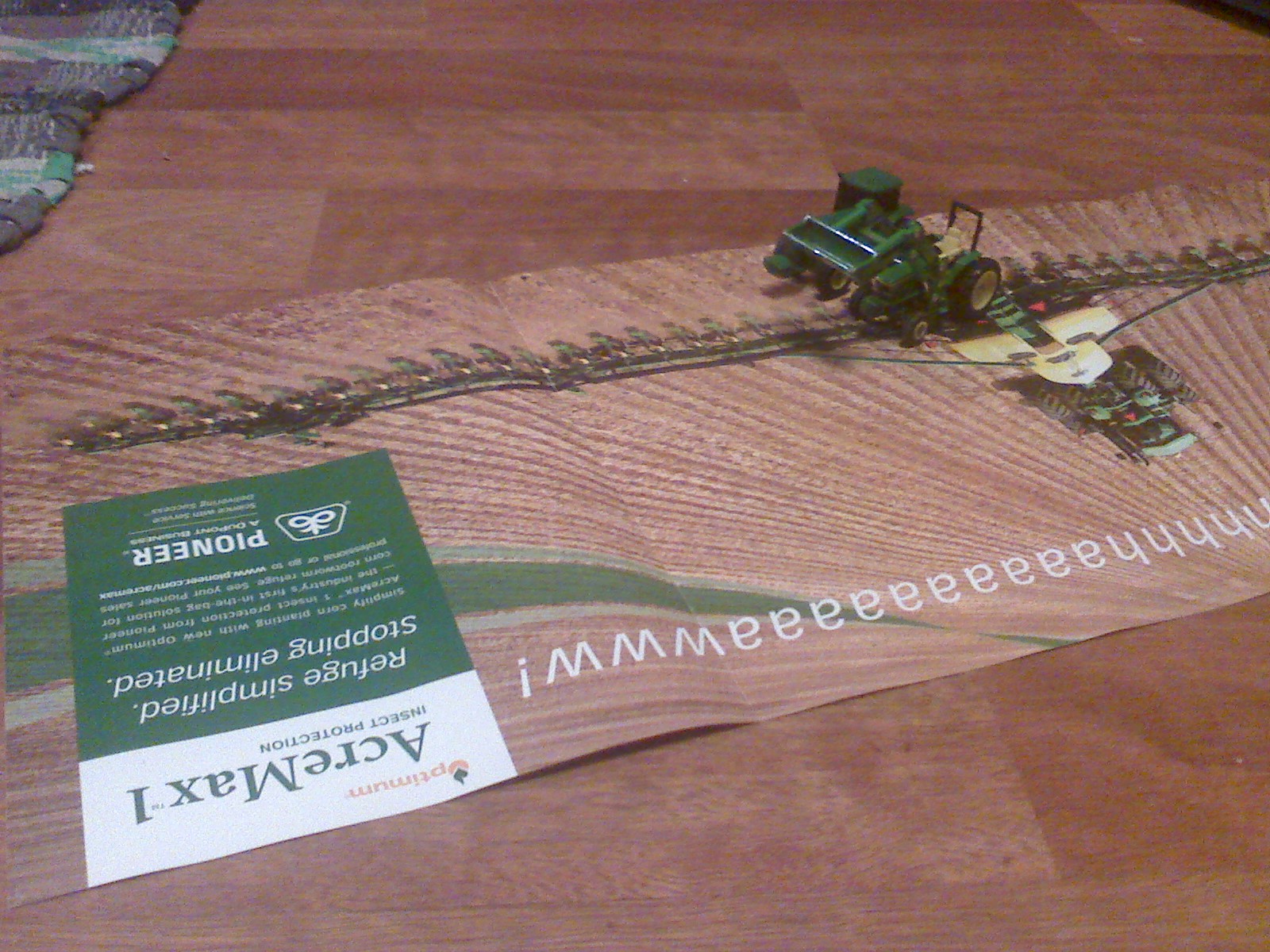
Great us of advertising!

I took this ad out of the middle pages of a farm magazine, because EJ wanted to farm it.

Or the land we farm?

Little brother (George), looking up to his big brother, wanting to farm, just like him.

But I’m guessing it’s none of these things. I’m guessing that the reason people are casting doubts on our industry, and those of us doing what we can to protect and promote this way of life that we love, is that we’re cutting into their bottom line. Casting doubt on agriculture and spreading fear and lies about food, fuel and fiber is big business. And if we’re putting some of those questions and fears to rest, then we’re putting some people out of business.

I guess I might get a little cranky about that too.

If YOU have any questions about your food, fuel or fiber, feel free to ask! I’ll do what I can to answer, show you how we do it, explain why, whatever it may be. And if I can’t answer, I have friends across the world, involved in every aspect of agriculture, that are more than willing to do the same.

We have an industrial-sized love for agriculture…and we LOVE to share!

Cultivating the future

I love my school.

Now, to clarify, I don’t ALWAYS feel that way, but who ever does? My sons attend the school that I graduated from…in 1995. In fact, they have had some of the same teachers that I had. Talk about a strange feeling, sitting across from your first-grade teacher, talking about your son! I still can’t call any of them by their first names.

This month is reading month. The theme??? Cultivating Reading. WOOHOO!

The whole month is focused on farming, agriculture, animals, etc. What a great opportunity! And you can bet I’m going to do my best to maximize it!

My plan is to shine the spotlight on a favorite ag book of ours, at least a few times a week. Now, as a disclaimer, I haven’t received approval or monetary donations from any of the authors…in fact, they haven’t a clue that I’m even doing this. I don’t know any of them personally (at least, not to my knowledge). But these are books that my family loves, and that we read together.

I’m an avid reader. I LOVE to read. I received a Kindle for Christmas and have already put over 100 books through it. (Hmmm…I may need to seek help.) I’ve been trying to instill in my children the same love of books, and so far, so good. Let’s hope it keeps rolling that way!

Today at school was “Hats off to books!” Day…or Hat Day. Scooter wore one of Boss Man’s farm caps, Big Bro wore a Cat-In-The-Hat hat. It was a Monday, and they were excited about school. Who could ask for more?

My book of the day?

It’s a great farm safety book, and one that we’ve read TONS of times! Plus, many county Farm Bureau’s sponsor safety days or safety camps, that reiterate what is taught in the book. It covers everything from ATV’s to cows to grain bins.

Do you have a favorite that you think I should check out? Something you’d like to see a spotlight on? I’d love to get more farm-favorite story books in our ever-expanding library! Tomorrow is Flannel Shirt Day – “Every which way with books.”

April is going to be a GREAT month!