Fabulous flannel – Ag Book of the Day 2

Today is Flannel Shirt Day at my boys’ school. I didn’t send them to school in flannel, because they decided they didn’t like wearing it a few years ago, and they are both at the age that they can decide what they want to wear, to an extent.

But I promised yesterday that I would give my Ag Book of the Day choices through the month of April, since it is Cultivating Reading Month at the school. Here is today’s pick:

It is “Good Morning, Farm!” by Catherine Nichols. It’s a Level 1 Reader from DK Readers, and it happens to feature mostly John Deere equipment. I like this book because it has real pictures, it includes many different types of farming (orchards, honey, milk, pigs, chickens, vegetables, grain, etc.) and it’s short and sweet and easy to read.

Enjoy!

Industrial-sized love

Yesterday, I overheard…hmmmm…over-read?…What would you call it if you caught a tweet that wasn’t directed TO you, but was about you? Well, anyway, that happened.

Someone claimed that a majority of farmers/ranchers involved in social media are “industrial ag.” (Particularly those that have ever participated in a Tuesday-night Twitter chat called #agchat.) I took offense to that. I’ve participated in several of these “chats,” where questions are asked and answered. No one claims to be an expert, no one claims to have all the answers, it’s just a discussion. The point is to connect the consumer to the producer. Sounds great, right?

Well, apparently someone off in cyber-world doesn’t want this conversation to take place. Perhaps it’s someone who enjoys causing trouble, or someone who profits from discontent. But when you accuse me and my friends of being something we’re not, you better back up your accusations with specific definitions, numbers, acres, parameters, etc.

I asked this particular person what “industrial ag” meant. And of course, received no response. Apparently throwing out terms and accusations is enough. Planting seeds of doubt seems to be the game, while we’re all busy planting real seeds…you know, the kind that feed the people who question our motives.

So, I’ve decided to delve into the definition of industrial ag, and see if I can come up with my own answers. I know quite a few people who have participated in the #agchat conversation on Twitter, and they have operations very similar to mine. So let’s get started:

Industrial – definition –

adjective

  1. having the nature of or characterized by industries
  2. of, connected with, or resulting from industries
  3. working in industries
  4. of or concerned with people working in industries
  5. for use by industries: said of products

noun

  1. a stock, bond, etc. of an industrial corporation or enterprise: usually used in pl.
  2. Rare a person working in industry
  3. a form of dance music characterized by pulsating rhythms, fragmented vocal lines, and distorted electronic sounds including urban sound effects

OK, so the definition doesn’t tell me much. I mean, according to the definition, anyone involved in agriculture is industrial…because we’re involved in the industry. But I don’t think that’s the connotation that was shot for when the comment was made. So let’s look at the operation:

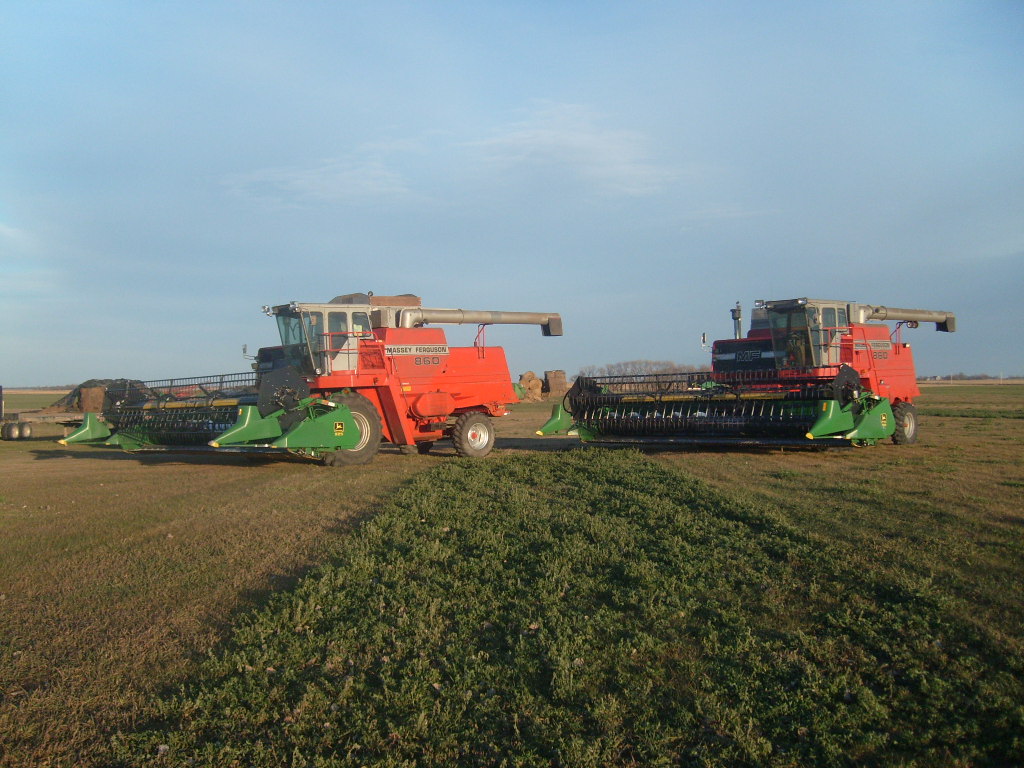
They're oldies, but goodies.

Perhaps our state-of-the-art, vintage methods of combining our crops make us industrial?
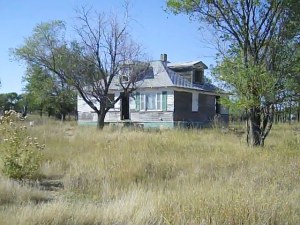
This is the house I grew up in.

My house

Or maybe it was the silver-spoon I was raised with?

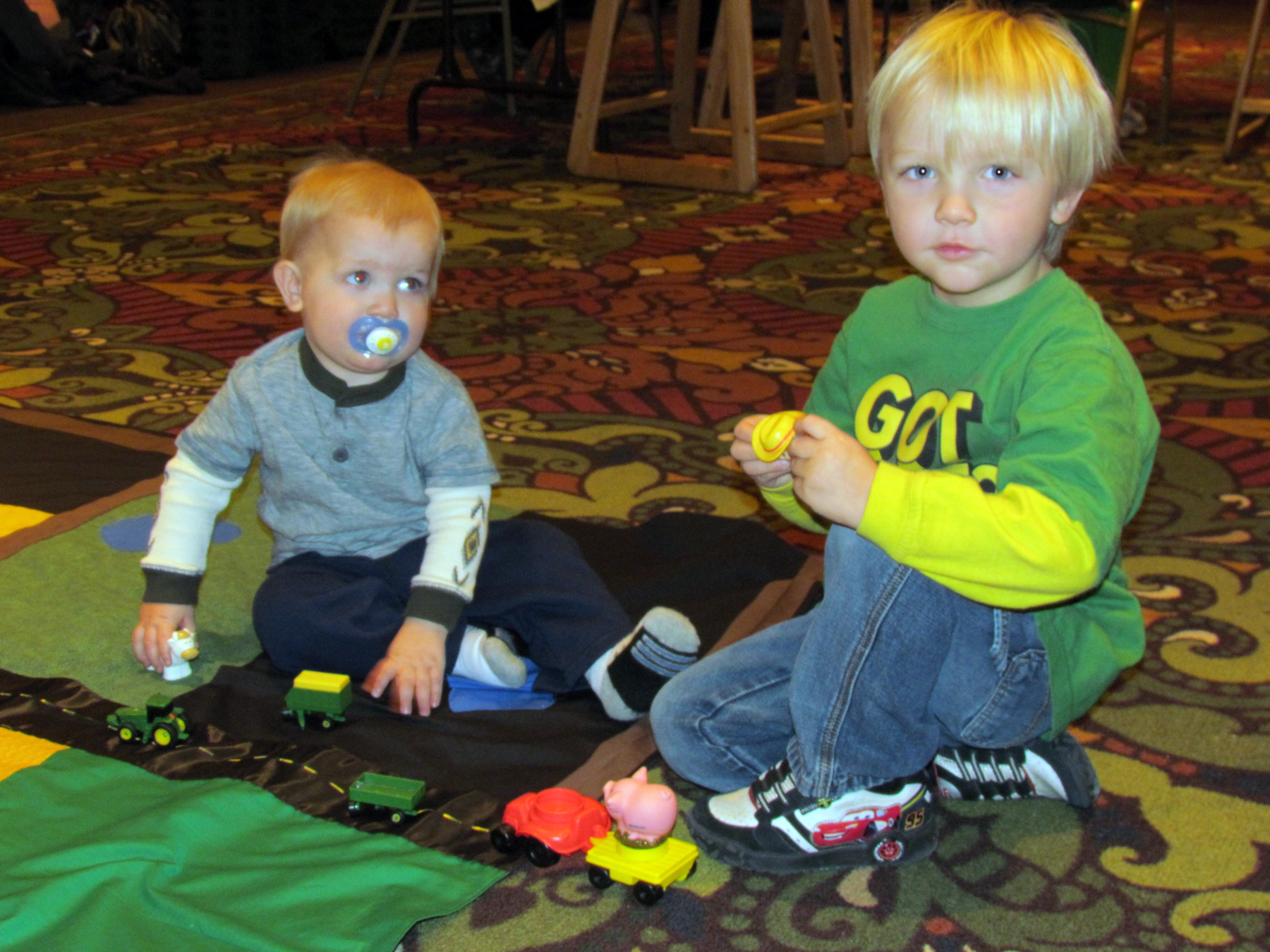
Future Farmer

EJ already knows he has big shoes to fill!

Or maybe it’s our hired men…there are four of them, you know. They don’t get paid much, but their benefits are extraordinary!

It takes all types...of equipment, that is.

Maybe it’s our specialized equipment we use?

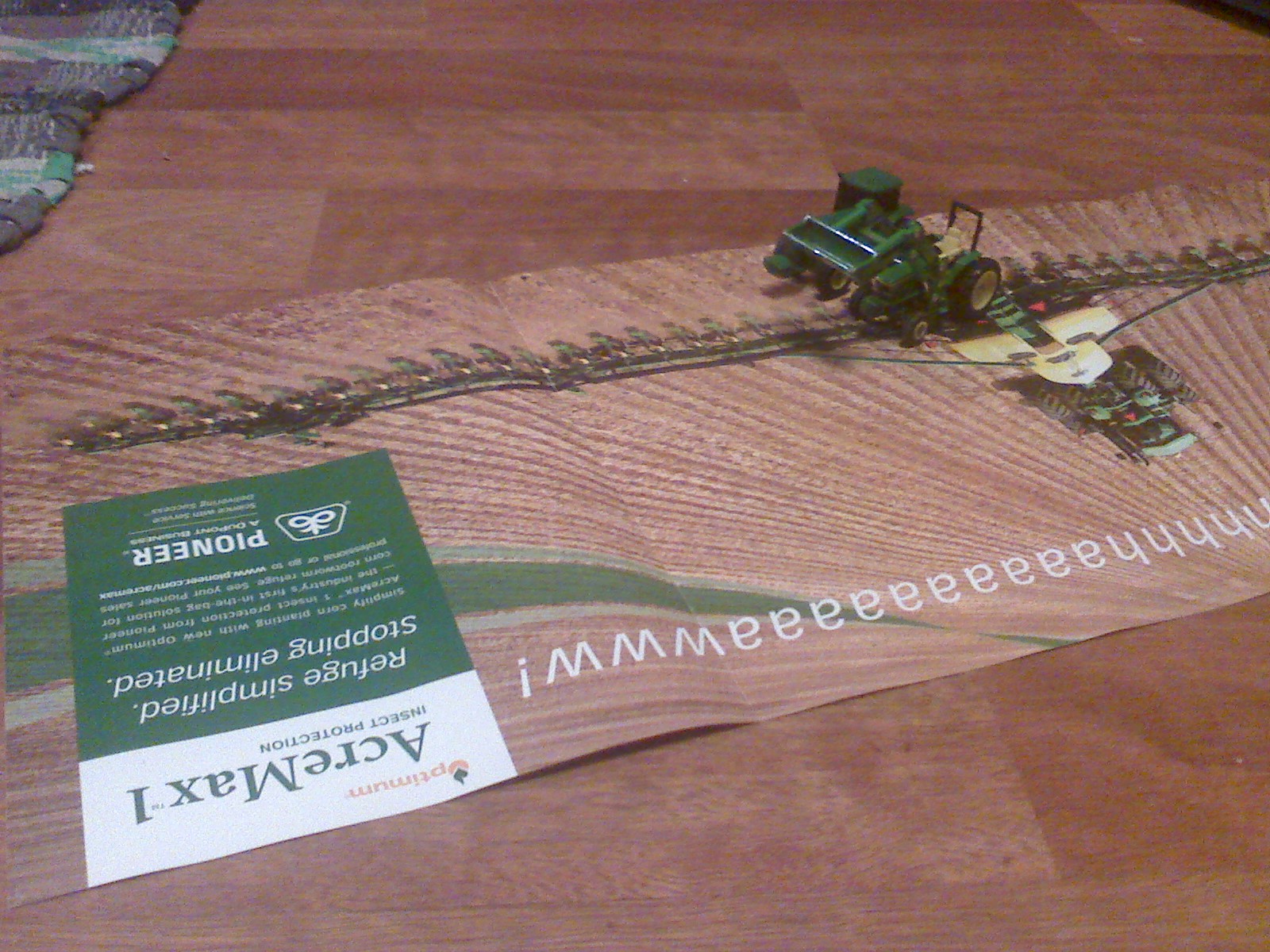
Great us of advertising!

I took this ad out of the middle pages of a farm magazine, because EJ wanted to farm it.

Or the land we farm?

Little brother (George), looking up to his big brother, wanting to farm, just like him.

But I’m guessing it’s none of these things. I’m guessing that the reason people are casting doubts on our industry, and those of us doing what we can to protect and promote this way of life that we love, is that we’re cutting into their bottom line. Casting doubt on agriculture and spreading fear and lies about food, fuel and fiber is big business. And if we’re putting some of those questions and fears to rest, then we’re putting some people out of business.

I guess I might get a little cranky about that too.

If YOU have any questions about your food, fuel or fiber, feel free to ask! I’ll do what I can to answer, show you how we do it, explain why, whatever it may be. And if I can’t answer, I have friends across the world, involved in every aspect of agriculture, that are more than willing to do the same.

We have an industrial-sized love for agriculture…and we LOVE to share!

Cultivating the future

I love my school.

Now, to clarify, I don’t ALWAYS feel that way, but who ever does? My sons attend the school that I graduated from…in 1995. In fact, they have had some of the same teachers that I had. Talk about a strange feeling, sitting across from your first-grade teacher, talking about your son! I still can’t call any of them by their first names.

This month is reading month. The theme??? Cultivating Reading. WOOHOO!

The whole month is focused on farming, agriculture, animals, etc. What a great opportunity! And you can bet I’m going to do my best to maximize it!

My plan is to shine the spotlight on a favorite ag book of ours, at least a few times a week. Now, as a disclaimer, I haven’t received approval or monetary donations from any of the authors…in fact, they haven’t a clue that I’m even doing this. I don’t know any of them personally (at least, not to my knowledge). But these are books that my family loves, and that we read together.

I’m an avid reader. I LOVE to read. I received a Kindle for Christmas and have already put over 100 books through it. (Hmmm…I may need to seek help.) I’ve been trying to instill in my children the same love of books, and so far, so good. Let’s hope it keeps rolling that way!

Today at school was “Hats off to books!” Day…or Hat Day. Scooter wore one of Boss Man’s farm caps, Big Bro wore a Cat-In-The-Hat hat. It was a Monday, and they were excited about school. Who could ask for more?

My book of the day?

It’s a great farm safety book, and one that we’ve read TONS of times! Plus, many county Farm Bureau’s sponsor safety days or safety camps, that reiterate what is taught in the book. It covers everything from ATV’s to cows to grain bins.

Do you have a favorite that you think I should check out? Something you’d like to see a spotlight on? I’d love to get more farm-favorite story books in our ever-expanding library! Tomorrow is Flannel Shirt Day – “Every which way with books.”

April is going to be a GREAT month!

Fresh on the Farm

This is my first Wordless Wednesday post – ENJOY!

Silver linings

If you’re friends with me on facebook, then you’ve probably realized that I’m kinda into finding the silver lining in every situation. I think it’s a mental-survival thing. Without it, I would be completely whack-o a few times over. (Be careful…I know what you’re thinking!)

But today’s silver lining showed up a few times! Yay!

First: George ran his first fever last night since we had The Plan in place. It was a bit scary, but things went well. I called the pediatrician, he ran through things with me, we formulated our plan and all went well. I ended up not having to take him in, the temp stayed down over night, took him in this morning and all things are well. Woohoo! Chalk one to George!

To celebrate, we got his FIRST big-boy haircut! Not bad, for a boy that’s about to be 2!

Not only will George be 2 in a month, but he got his first real hair cut today!

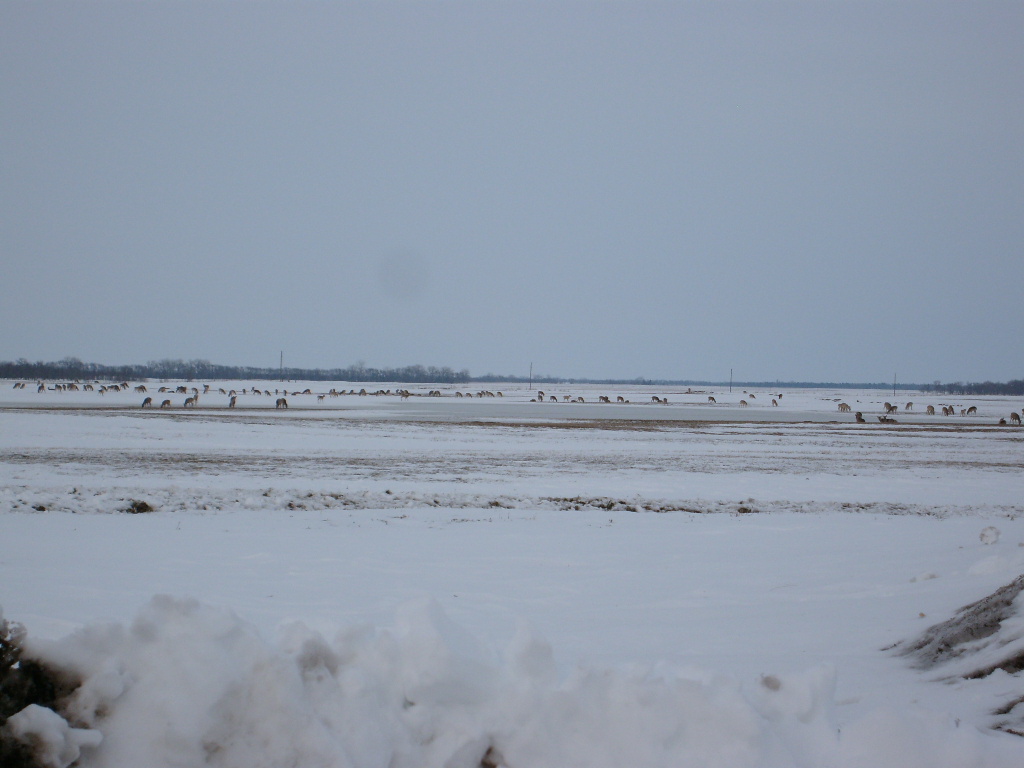
Second: Someone asked if the deer are still a problem. Here’s the answer:

That isn't just dirt on the horizon. Those are hundreds of deer, still making our yard home.

Yep.

But the silver lining? Another creature has followed them here…namely Bald Eagles. It is COOL! There are at least four of them right now. I think they’re eating off the carcasses. But they are so majestic and all things amazing. I tear up looking at them, and feel like saluting as they fly by…kinda weird, I know.

Getting close to a Bald Eagle isn't as easy as getting pics of deer in our yard.

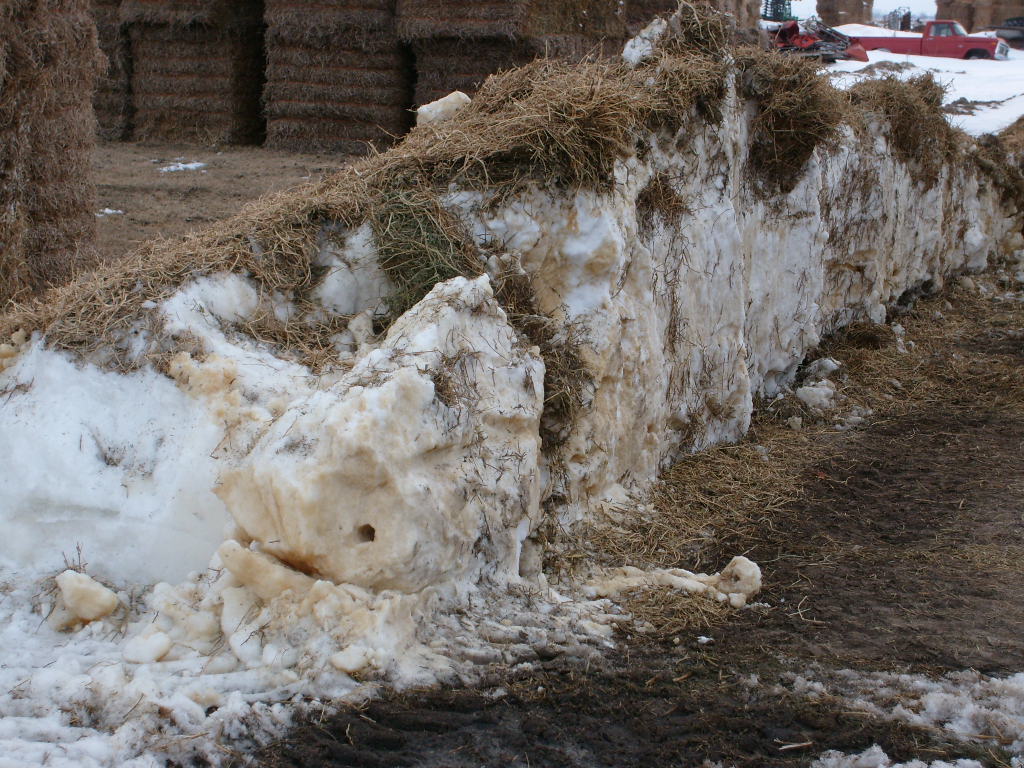
And just to let you SEE what kind of damage the deer are doing, I’ve got these pics for you:

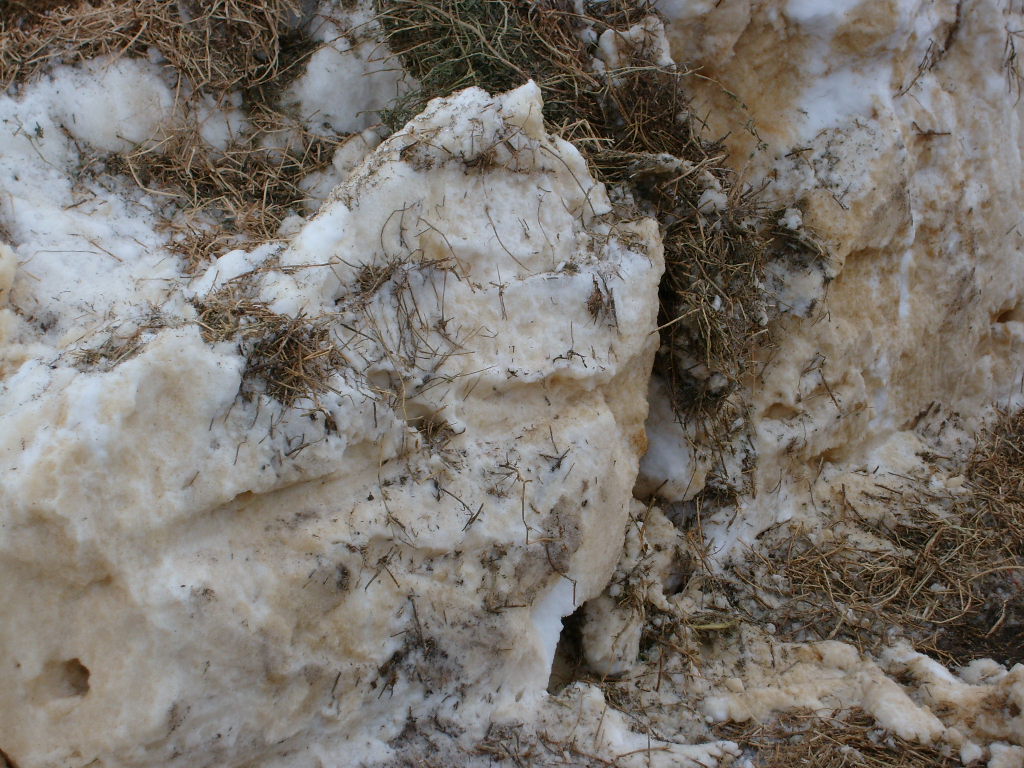
Yeah, that's what you think it is...deer urine

You can see where the hay has been moved from. Notice the difference between white and yellow/brown.

Notice the yellow/brown snow? Do you remember what your mother said about eating yellow snow? That’s right, that’s urine. As in deer urine. As in lots and lots and lots of deer urine. Now imagine all that on your breakfast, lunch and dinner. Yum.

But SB 2227, which will give landowners a few more options in deer depredation, is supposed to be voted on in the House of Representatives tomorrow. We’ll see how it goes. I’ll keep you posted.

And come next fall, I expect you and ALL of your family to come hunting.

The difference a week makes

So, last week Friday, we had a blizzard that hit. It even left buses stranded that were trying to get kids home from school.

This week, the snow is melting…and fast! I’m always grateful for the spring melts, even when it causes a mess. It’ll dry up soon enough, and then summer can begin!

This river behind our house is normally the kind that you can easily walk across.

Although another snow storm is supposed to hit in the morning, we know we’re on the downhill slide with things. And for that I feel blessed! Woohoo!

Much like when you pull the plug on a bathtub, all this water has to go somewhere!

Our bathtub is just a bit bigger than some!

I think spring fever is officially setting in!

Battle weary

It’s been one of those days. You know, the type of day where you just can’t wait to crawl into bed, knowing that when you open your eyes, at least it will be a different day?

Tonight, let me focus on the problem we HAVE NOT gotten rid of yet (check here and here for reminders as to what’s been going on)…and that would be deer. That’s right, they’re still here. And for argument’s sake, let’s just say the number is 500.


The deer are dying in and on our feed supply for our cattle.

Boss Man is trying to put plans in place so that we’re able to be better prepared for next year. Apparently this year is a loss. We will never get back what the hay was worth that has been destroyed. (Think in the terms of multiple thousands.) There is nothing we can do about that. So we need to move ahead.


He spoke with North Dakota Game and Fish today. They are less than receptive to assisting. According to them, we have been uncooperative. By uncooperative, they mean that we were not interested in the only plan that they came up with. This “plan” was to wrap our bales with a plastic wrap, that would supposedly deter the deer from eating our hay.

Every person we have spoken to regarding the plastic wrap has claimed that it does NOT work. Not only are there problems with the wrap coming undone, or stacks falling over, but remember that we’re trying to sell our hay that is salvageable. That means that we would have to wrap and unwrap bales each time we were moving or grinding hay. We would also have to dispose of the wrap as we were using the hay.

Another concern we had with the hay wrap was that once the deer made our yard their winter habitat, without STRONG encouragement, they would still be in our yard, just forced to feed with our cattle. The deer are a danger to our herd, just by being in their feed supply. But the danger would be even greater if they were nose-to-nose and feeding out of the same bunk.

So, by trying to protect our livestock, while still being conscientious of the wildlife, we are now deemed uncooperative. Thank you.

Tonight, Mark decided to be proactive and try to call some of the neighboring landowners, making them aware of what the problem is, and asking if we could all be more receptive to allowing hunters access to prime hunting land.

The first call was to a “neighbor” who happens to own a hunting lodge and guide service. He basically thanked my husband for ruining his evening, told him not to tell him how to run his business and hung up the phone.

Most of the other phone calls went very well. Most people understand what the problem is, and are willing to do what they can to help. Here’s hoping that they remember next fall.

Here’s what I’d like to remind Game and Fish: this isn’t just another hay yard, another complaining farmer, another “problem” that they’d rather not deal with. This is MY hay yard, MY herd and MY sons’ futures. I have four boys that I hope have the opportunity to continue to make this farmstead their home, and continue to live and prosper in North Dakota.

I hope and pray it’s not just a dream.

And by the way, if you’re looking for a place to hunt this coming fall, I can hook you up…bring your family, your friends and your neighbors!

Looking to the future

Maybe I should actually title this post, “Looking FOR the future.” What do I mean? Well, once again, I was reading in a farm publication. (I think I need to quit doing that.) It was a very, very, very small brief. It was buried back in the regional news section on page 36 of AgWeek. And it stated that North Dakota is down 100 farms last year from the year before. (Statistics from the USDA’s Agricultural Statistics Service.)

Now, 100 farms doesn’t seem like a whole lot, but since agriculture IS North Dakota’s No. 1 industry, it should mean something to someone…and it should mean a lot more than a three-sentence blip in the back of a publication.

Again, I get that statistics get skewed in the whole picture. Some of the farms could have been non-existent for years, but were missed in the whole red-tape, paper-shuffle mess that we call government. But 100 farms is 100 farms. (To be fair, percentage-wise, that’s less than 1/2 of 1%.)

If you aren’t aware of the problem facing our world, we are gaining more and more people, and losing more and more farms and farmers. Any good statistician will tell you that those statistics don’t factor well for the future.

Perhaps the story of farm numbers dwindling should rank a little higher than page 36.

Only if you like to eat.

Adjustment of a lifetime

So, I’ve spent a few weeks making a major adjustment. And I mean major. Now that George is under a low-protein diet, life has become interesting.

Some of the adjustments that have been made: no more cereal and milk in the morning, no more bacon and eggs, no more cheese, no more ice cream treats, no more sleep. Just kidding on the last one.

Actually, this diet has been a bugger. I have been letting him sleep in, so that the other boys have breakfast before he wakes up. Then we start with fruits, veggies, applesauce, all in unlimited quantities (unless the veggies happen to have some protein in it). The funny thing is, that I don’t think George ever feels full anymore. And I kinda get why.

I mean, what’s more satisfying than a piece of toast, or a serving of pasta, or a nice, juicy hamburger? All which are now off-limits (at least in any significant quantity).

Now, to clarify, this isn’t just a diet that I can decide that it’s not worth the effort and let him slide on. We are very, very fortunate that we’ve caught it this early on, and any damage done he should be able to recover from. In fact, I’ve already noticed a change in energy, balance and we’ve added two new words consistently: “Hi!” and…”MOM!!!” WOOHOO! Talk about a sweet sounding word! Of course, his favorite is still “Dad,” but at not-quite-2 I can’t fault his taste.

When we returned from our last conference serving on the American Farm Bureau Young Farmers and Ranchers committee, there were a few letters waiting for me. One gave us the tentative diagnosis (we’ll be completing the genetic testing in April) of Ornithine Transcarbamylase deficiency (OTC). The other was our “free pass” at the ER.

You see, OTC apparently isn’t something you can mess with. Through all the mysteries of what is happening inside of George, when he’s not breaking down the protein and things start to build up, ammonia levels in his blood can start to climb…and that’s not good.

So now, I carry a letter that states that if we happen to be in the ER, George must receive immediate attention, starting an IV drip of [insert lots of medical numbers and stuff here] immediately, removing him from all protein, and THEN wait for the blood work to come back.

What does this all mean?

If George gets a fever, vomits, seems more tired than normal, it becomes an emergency. An easy to fix emergency, but an emergency none-the-less. They like to drive that point home by having you read all sorts of scary stuff.

Thankfully, we’ve been blessed with a pediatrician that seems to be really willing to work with Mayo and become very active in George’s care. The big question has become, “Do we live close enough to a medical facility?” Ugh. That’s a tough one. We’re still working on the answer.

But, for now, we have a plan, we have a direction and we have some pretty quick results already. That’s enough for me…at least for today.

I’ll worry about sleeping tomorrow. 😉

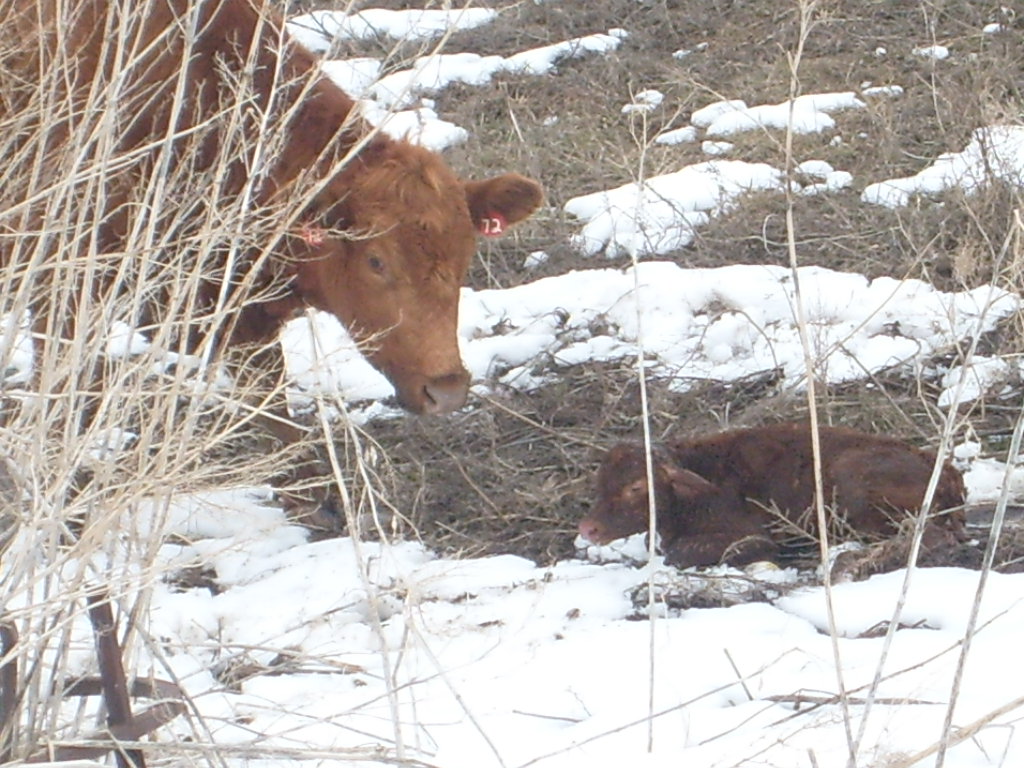
Oh, and did I mention that we’ve started calving? May the fun begin! Stay tuned for pics.

Making it personal

So, one of the big pushes now is local food. And I’m all for it. If you can buy your food locally, more power to you. Support your local farmers, support your local growers, support your local stockmen. But what about those who can’t?

I’ve wasted spent time this afternoon trying to get a figure on how this would work in North Dakota. And boy, can you find numbers for just about anything if you’re really looking! But I digress.

According to several studies, the average person consumes 67 pounds of beef per year (to make this easier on myself, I just included beef, but I could look into chicken/sheep/hogs/etc.). The average feeder (usually a steer (bull calf castrated))  produces roughly 350 pounds of meat for consumption. (Again, those numbers can jump all over the place, but this is a pretty good average.)  So, if we can agree on these numbers, that would mean that an average feeder would feed 5 people in one year. Are we on the same page still?

Well, let’s look into that. Let’s say this whole push for local food become mandated (don’t laugh, we’re heading that direction if not careful). I decided to look around North Dakota and see how we would fare.

Just for this scenario, I kept everything within county lines. As in, pretending that a law had passed that made it impossible to buy meat that wasn’t raised within your county. (I had to start somewhere, and it made the figuring a little easier…although still pretty time consuming!)

I started with Dickey County (where we live). And we would actually fare pretty well, although that’s not too surprising, since we only have a little over 5,000 residents in the whole county. We only need roughly 1,043 head of cattle (fit for consumption) to feed our county for a year. According to the 2007 USDA Census of Agriculture put together by the National Agriculture Statistics Service, Dickey County has 49,937 cattle. Now, that includes all cows, calves, bulls, etc. But no matter how you look at it, we could feed our own. Way to go Dickey County!!! Woohoo!

But let’s look a little more populated. Let’s check out Fargo. Guess what? Yeah, apparently we’re going to need to set up some sort of “food panel.” The Fargo metro area boasts approximately 200,102 people in 2009. Which means that it would take approximately 40,020 head of cattle to feed them for a year. Guess how many cows are in Cass County? According to the USDA, there are just over 12,000. So who isn’t going to eat?

Now, don’t go jumping to conclusions that going vegetarian is the answer. We don’t have enough land for that either. We currently raise cattle on land that, for the most part, isn’t suited to grow crops. So we’re already growing crops on whatever land is available to do so. And in spite of all of our efforts, people in our country are going hungry each and every day.

Buying local/growing your own is a great alternative for those that it works for, but it’s not for everyone. The numbers don’t work, no matter how you look at it. Agriculture as a whole is needed to feed not just the world, but our own country and our own neighborhoods. We need to work together and realize that one alone does not stand. It’ll take all types, all kinds, all methods to be able to feed our ever-growing population on our ever-shrinking acreages.

Do the math. It doesn’t figure any other way.