Whatever floats your boat – #DitchTheRule

“Navigable waters.” According to the internet, the accepted definition is: “deep and wide enough for boats and ships to travel on or through: capable of being navigated.”

Apparently that’s true for everyone…but EPA.

The new proposed ruling for the expanded Clean Water Act from the EPA would become the most far-reaching regulations we’ve yet seen from this regulatory agency. It’s meant to clarify what is determined as “Waters of the US.” In essence, almost any place that water could collect could be subject to regulation and the permitting process.

The CWA was started in 1972 as a way to curb pollution into what was determined navigable water from a single source – without a federal permit.

Most people would probably be amazed at what all requires permission from someone else in order to simply do something…even on your own property. There are permits to build stuff, permits to take down stuff, permits to use water, permits to take away water – I’m sure there are probably even agencies that have permits in order for another agency to allow permits. The process is essentially the same. You apply, based on whatever rules and regulations have been drawn up. You explain why you should be allowed a permit to complete whatever action or build whatever structure you have planned. You present your application with the proper fee, determined by the regulatory board or by law, and you wait to hear back.

Here’s the catch: there is no legal right to be allowed a permit. That’s right, even if you dot your I’s and cross your T’s and pay the fees and fill out each form in triplicate and you state sound reasons as to why your permit should be granted and have science on your side, you may be turned down.  Because we all know that decisions don’t always make sense.

And you may not find out if you’ve been granted a permit or if you’ve been turned down for days, or weeks, or months – we all know how speedy the federal government works, right?
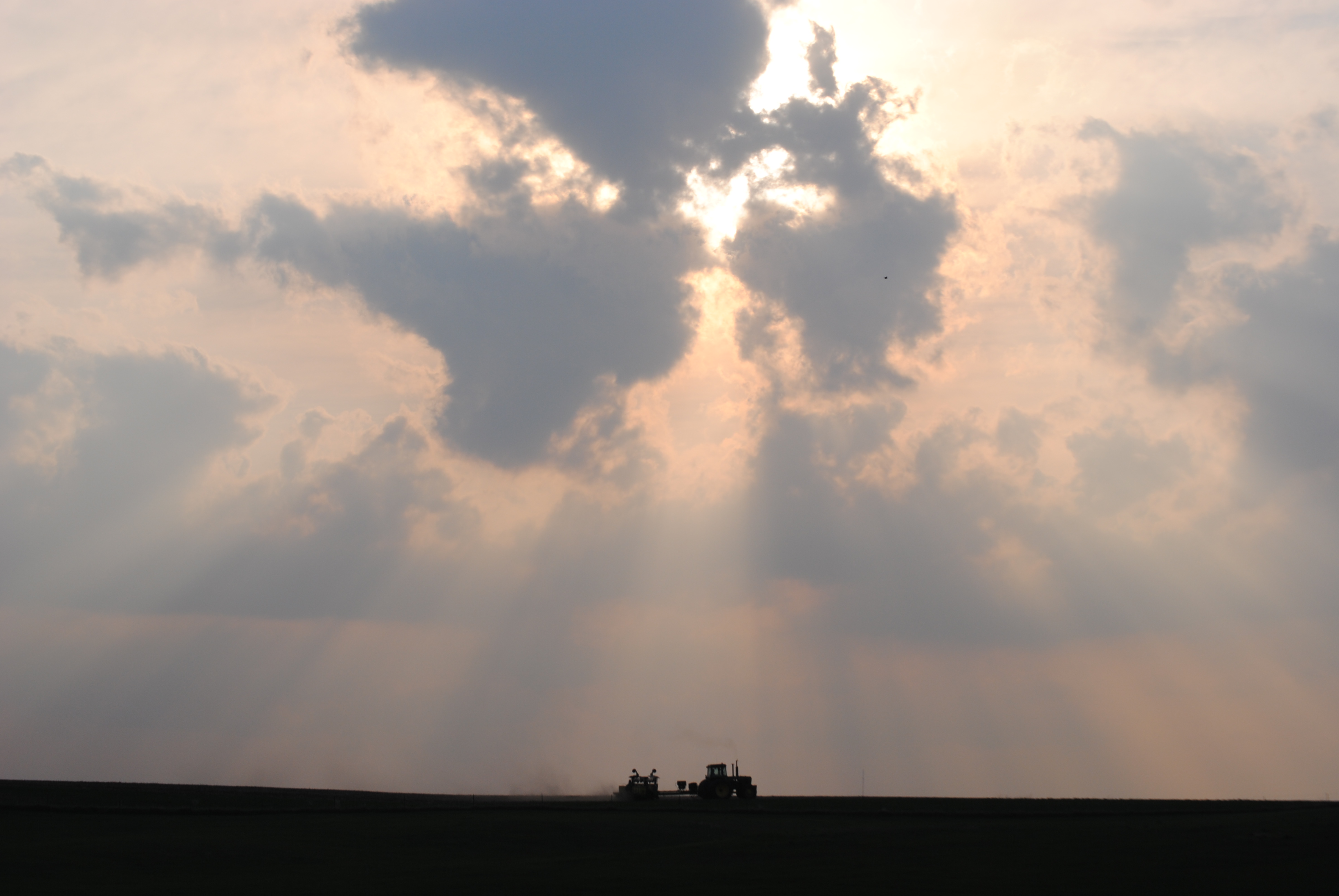
Using conservation and good stewardship is nothing new to our farm. We make decisions every day based on what we feel will be best for tomorrow.

Using conservation and good stewardship is nothing new to our farm. We make decisions every day based on what we feel will be best for tomorrow.

So let me try to wrap this up in a nut shell with a completely plausible scenario: Let’s say you’re a farmer that raises cattle, and cattle poop, and you want to use the natural fertilizer that you’ve been given. Let’s say that the field you want to fertilize has a low spot that collects water when it rains. Imagine now having to fill out paperwork and a permit in order to use that fertilizer near that low spot because it may collect water at some point in time?

So why use the fertilizer? Well, it helps your crops grow to their potential, it provides better grass for our cattle and it’s cheaper to use the product that nature is already providing. And remember, we’re talking about a spot that may/may not hold water at any point in the year. Yet the amount of water held isn’t in question. When the water is held there isn’t in question. It’s simply the ability for the ground to hold water that determines whether or not the CWA is applicable.
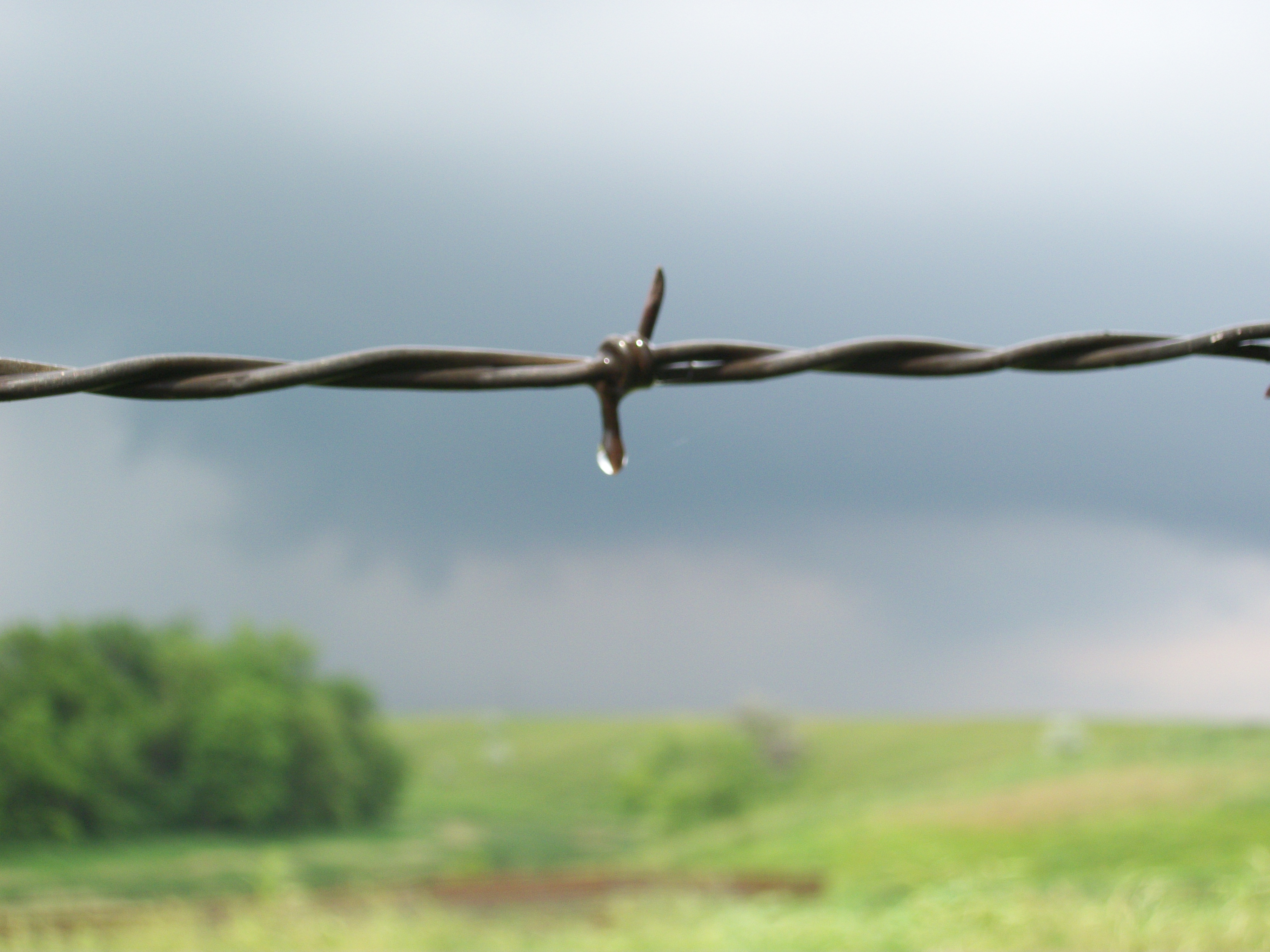
A single drop of water...is that all it would take?

A single drop of water…is that all it would take?

The good news? It’s not too late. The proposed rule changes are open to public comment through July 21 by visiting the website at http://water.epa.gov/lawsregs/guidance/wetlands/CWAwaters.cfm, or through the FBAct Insider page at: http://capwiz.com/afb/issues/alert/?alertid=63192396.

Laws and regulations that expand government reach and hurt our local economies will continue to be passed unless we’re willing to stand up and protect our rights for future generations. We need to let the EPA know that they need to #DitchTheRule.

My four boys drink from the hydrant in our yard. And there’s nothing I wouldn’t do to ensure that our water is safe for generations to come. Our family farm has been making improvements to our methods of farming for generations, not through regulations and laws, but through using common sense and stewardship.

The CWA was set up to protect places that could float a boat. My field is not such a place. My ditch is not such a place. My yard is not such a place. Not a single one of these places could float my boat…and neither does this rule.
The anatomy of a farmer

I was told recently, point blank, that “agriculture is a man’s world.” And I will freely admit that my first reaction was not a very pleasant one. Yes, it made me angry. Very angry.

Are there certain situations that being a man is helpful? Sure. I must admit that there are many men stronger than I am, but then again, I’m also stronger than a lot of guys I know, too. It all boils down to the situation. But I also am quite certain that politics is not one of those situations. Your gender does not…and should not…EVER make an impact on your ability to be elected to serve in office.

Yet, it became painfully obvious last weekend that we have so much work to do on this front.

So let me start by explaining to you what a farmer looks like…from head to toe:

A farmer is required to be a person capable of wearing many hats – from accountant to nurse to scientist to engineer. A farmer’s head is full of so much information, and also full of contacts, for those questions that they can’t answer. A farmer knows how to make the best out of a sticky situation, and knows when to call in reinforcements. Facial hair has never been a requirement…although, I must admit, it would come in handy come winter.

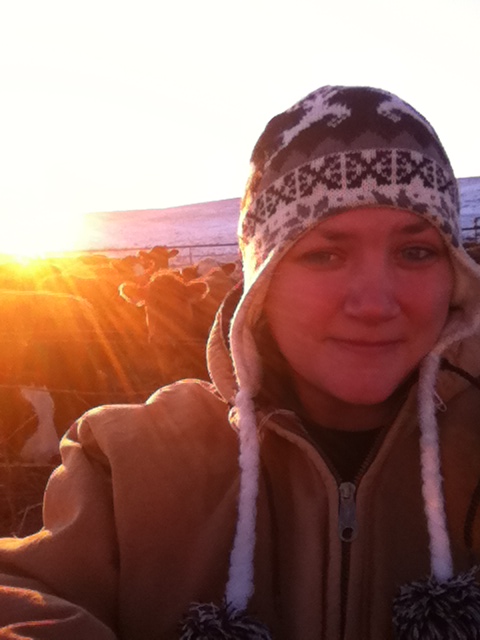
Fashion has little to do with farming...warmth, on the other hand...

Fashion has little to do with farming…warmth, on the other hand…

A farmer has a mouth that can communicate the needs of the farm, to a variety of audiences. From legislators to neighbors to school kids to friends and family – a farmer knows that in order to preserve our work for future generations, we need to start engaging people more. It does not matter if those lips are covered in lip stick, lip gloss, chapstick or whiskers…the message is the same.

A farmer has broad shoulders – more in a figurative sense than anything. A farmer is able to carry the weight of the current growing season, worrying about changes in the weather, all while enjoying the miracle of each season. Whether it be watching a new calf learn to walk, watching a new crop erupt from the ground, watching baby chicks develop their first feathers, or watching a sick animal slowly recover – a farmer takes responsibility for what happens on the farm, good and bad.

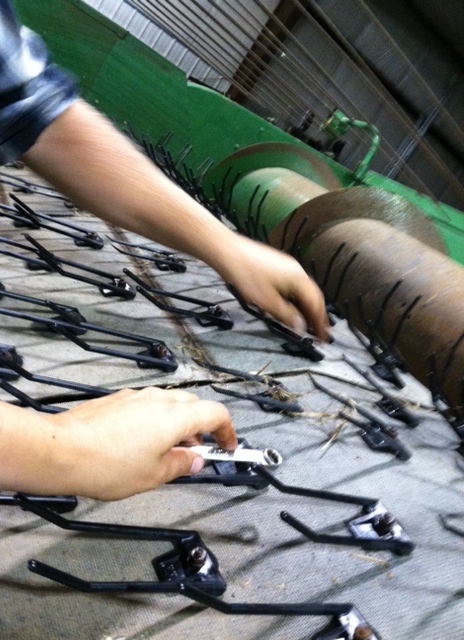
A farmer has strong hands. They are able to be involved in almost every aspect of the farm. From gently handling an injured animal, to convincing a rusty bolt to budge, to writing out checks to pay for inputs to folding them in prayer at the end of the day…a farmer’s hands hold more strength than many would guess. Whether or not your nails are polished doesn’t matter.

teamwork, farmwork

Two different sets of hands working for a common goal…does it matter which were replaced with a woman’s hand?

A farmer has a caring heart. A farmer strives to do what is best for the land…and the job…that she loves. This includes protecting the land for the generations to come. A farmer also knows that they are not in this fight alone, and that there are so many involved in the process of being successful.

A farmer has a pair of feet that can walk miles in other’s shoes, and never skip a beat. A farmer can wear a pair of work boots all day, slip on a pair of dress shoes for church, a pair of tennis shoes for playing catch and a pair of flip flops for a day of fishing. The size of the heel doesn’t matter.

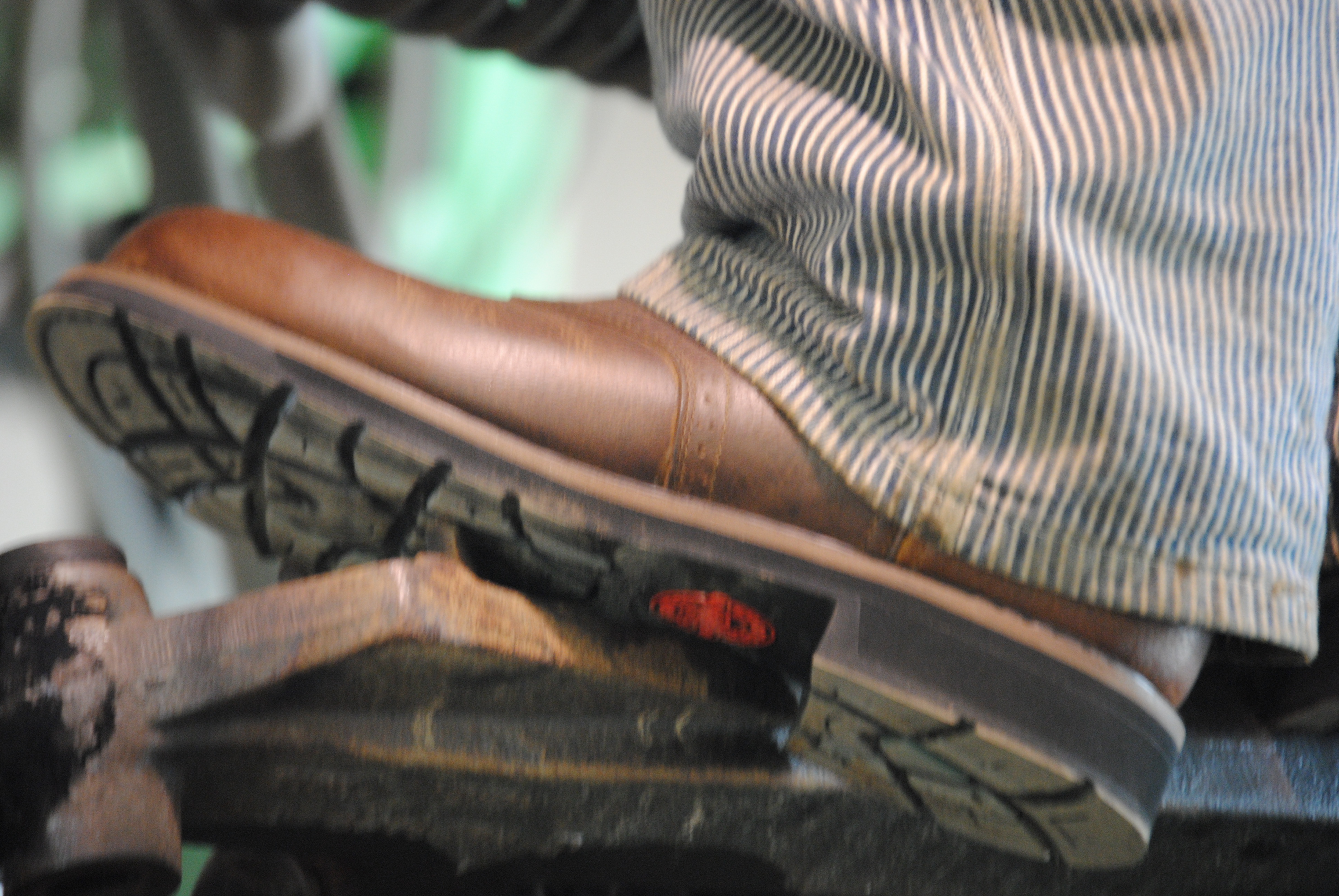
These feet work hard...

These feet work hard…

...and so do these.

…and so do these.

Whatever the role of the farm may be, each person has an integral part in the success of the farm. And the only thing that determines the extent of involvement is the willingness to work hard, the flexibility to adapt to unexpected events and the passion to see something through to the end…and gender does not determine any one of those things.

Agriculture a man’s world? I certainly hope not. Our industry would be missing a whole lot of talent if that were true.

What makes a farmer? It has a whole lot more to do with who is on the inside, not the outside.